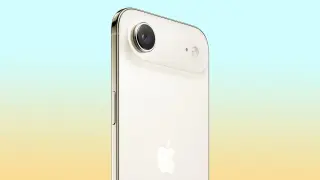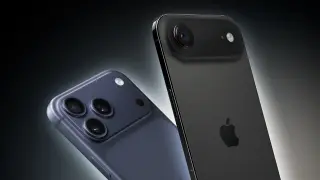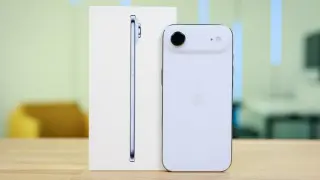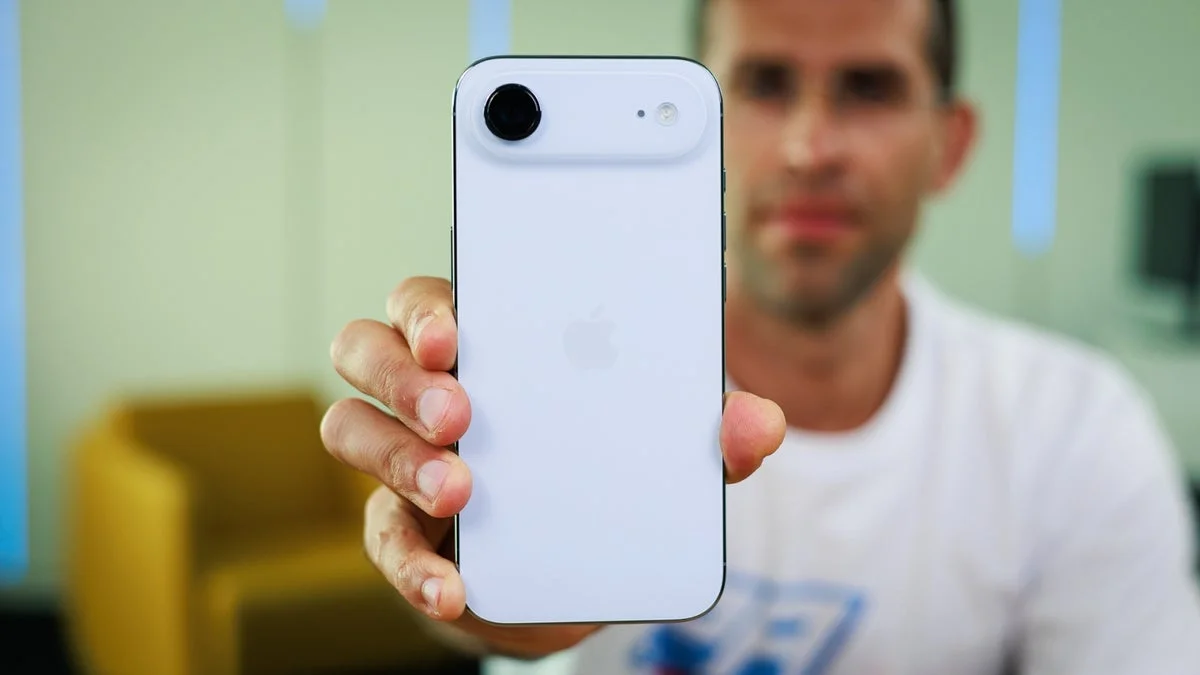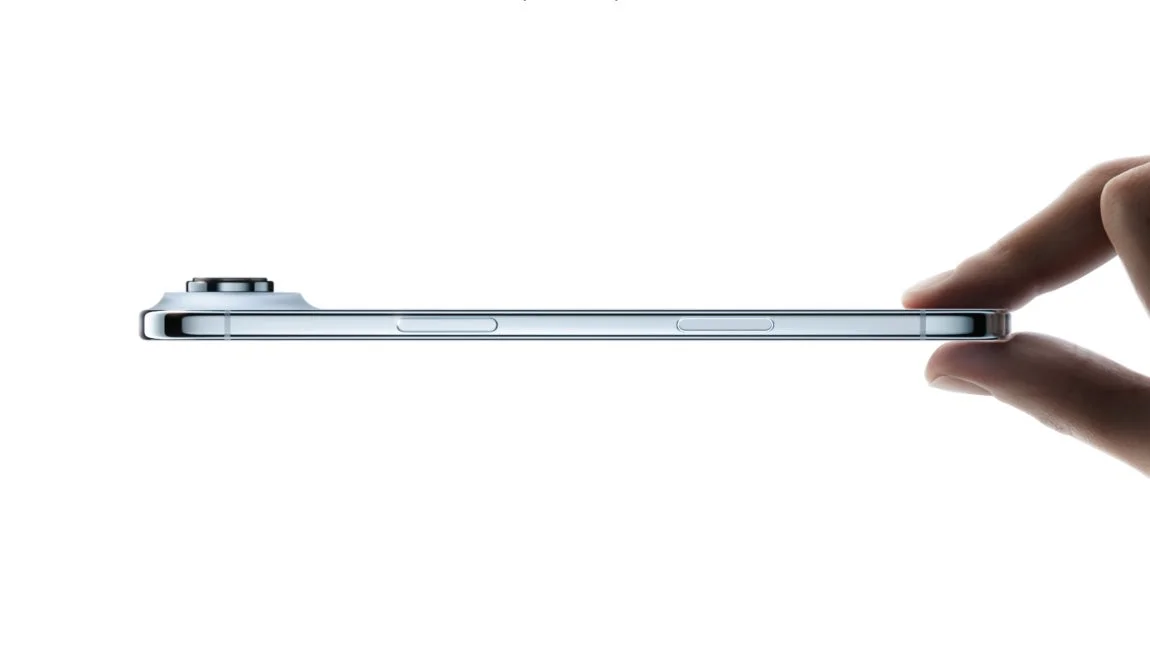
Apple has reduced the price of its iPhone Air due to weak demand and rising inventory, signaling a strategic move to boost sales in the premium smartphone segment amid stiff competition and new iPhone lineups.
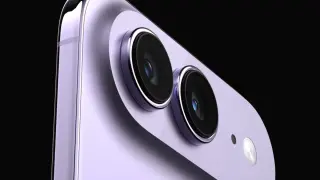
Leak claims the iPhone Air sold about 700,000 units after price cuts, while rival ultra-thin models underperformed, prompting competitors to back away from the concept; Samsung reportedly shelved its ultra-thin S26 Edge. Apple is still pursuing an iPhone Air 2 in 2027 with improvements to address the first model's flaws (second camera, bigger battery, cooling, and other refinements).
A Weibo leak suggests Apple’s iPhone Air 2 may be the last remaining ultra‑thin flagship after the original’s weak sales, with the iPhone Air reportedly reaching about 700,000 activations and rivals scrapping their own ultra‑thin projects. Supply chains have cut capacity and several manufacturers (including Xiaomi, Vivo, and Samsung) reportedly halted related efforts. The chatter points to a spring 2027 launch window with Apple revising the Air 2 (likely a second rear camera, lighter weight, better cooling, bigger battery) and possibly new OLED tech, as Apple pursues a multi‑gen strategy despite weak demand.
Some iPhone 17 Pro and iPhone Air owners report a charging issue where after the battery fully drains, plugging in a USB-C charger fails to wake the device or show a charging indicator. Reports are surfacing on Reddit and iFixit, but the root cause and scope remain unclear. Apple has not publicly commented, and the problem persists into iOS 26.4.1/26.4.2 for some users. A MagSafe workaround revived one device, suggesting it may be hit-or-miss rather than universal.
Some iPhone Air units plunge into a black screen and refuse to boot after the battery hits 0%, even when plugged in. While Apple patched a separate CVE-2026-28950 issue, users report this zero-battery 'black screen' bug; suggested workarounds include using a USB-A charger or, more reliably, placing the phone on a MagSafe wireless charger for 15–30 minutes to revive it. The exact cause is unclear and Apple has not issued an official fix yet, though reports link it to recent iOS 26.4/26.5 beta releases.
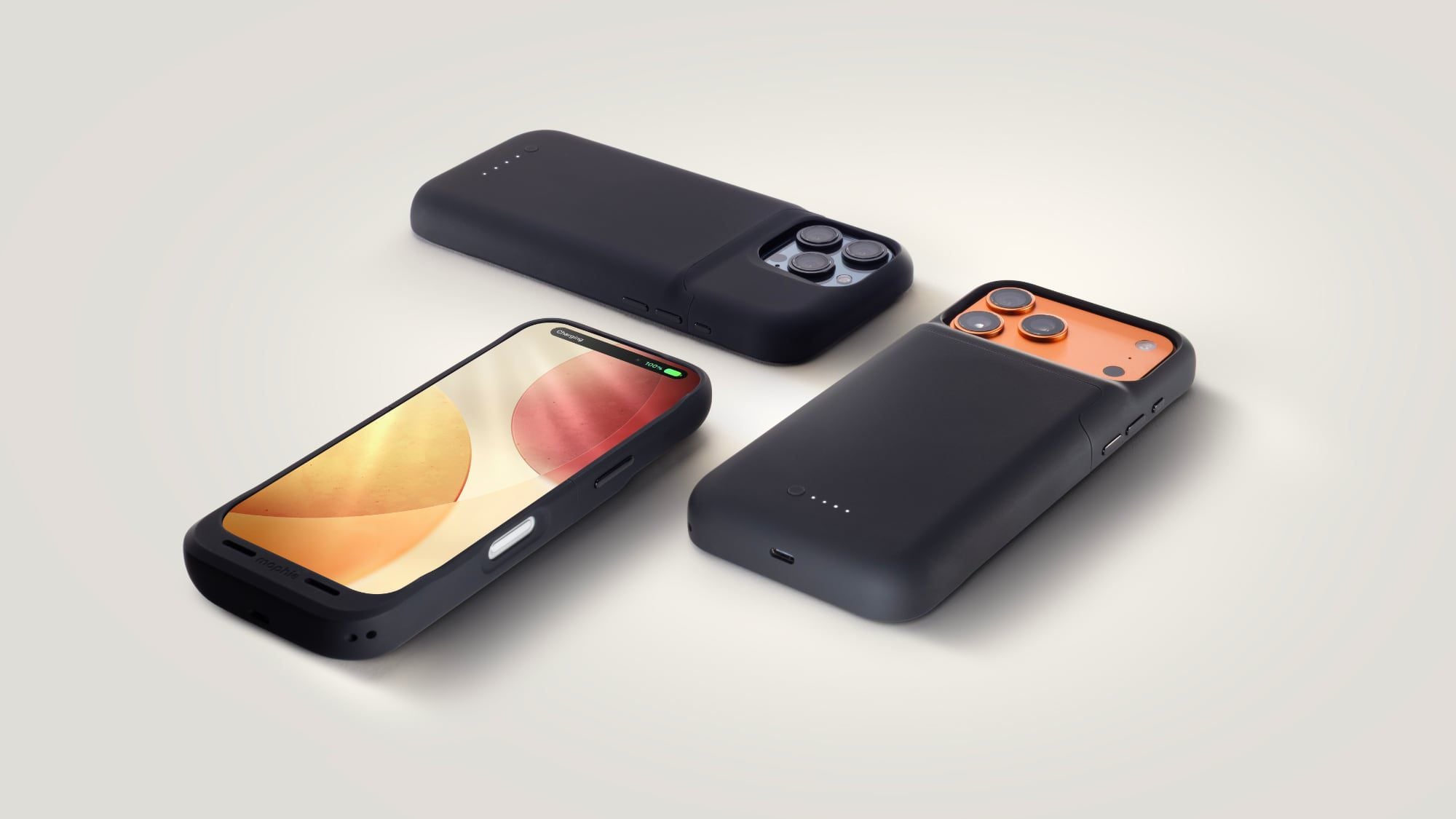
Allison Johnson revisits the iPhone Air and finds that, when paired with MagSafe accessories like a battery pack, wallet, and ring grip, the ultra-slim phone becomes a surprisingly practical modular companion—though its weak battery and modest camera keep it a niche device for dual‑phone users and tinkers rather than a mainstream pick.
Ookla Speedtest data suggest Apple's iPhone Air is more popular in user-initiated tests than the iPhone 17 Pro and outsamples Samsung's Galaxy S25 Edge by roughly 3-to-1 in the US, with even larger margins in Europe. The data are speedtest samples, not official sales, but they imply the Air is a stronger “slim flagship” contender and could push Apple to a second-gen Air and rethink the Plus model strategy for future iPhone lineups. Samsung’s S25 Edge remains comparatively niche in many markets.
A Reddit post reports a hardware-level failure in Apple's in-house C1X 5G modem in the iPhone Air, with the device losing cellular reception and showing no signal despite troubleshooting; Apple typically investigates and replaces defective units, but there’s no evidence yet of a widespread issue. The C1X is expected to appear in the iPhone 17e next month, with rumors of a next-gen C2 modem in future models.
Apple’s iPhone Air underperformed in sales, with a reader poll showing most readers blame the overall package rather than a single flaw. About 46% say the device failed to capture the market due to its weak package, around 20% point to short battery life, just over 16% cite the need for more cameras for the price, and a small share blame poor thermals. The phone’s starting price was $999 and it’s noted for a lone speaker and a weaker A19 Pro chip. Apple may address issues in future iterations, with suggestions including a silicon-carbon battery, a second speaker, vapor cooling, and the current focus on adding an ultra-wide rear camera.
The release of the second-generation iPhone Air, originally scheduled for fall 2026, is delayed likely until spring 2027 due to poor sales of the current model, with Apple planning to launch the iPhone 18 and 18E later that year.
Apple has delayed the release of the next iPhone Air, originally scheduled for fall 2026, due to weaker-than-expected sales and demand, with the model launched in 2025 as a lighter alternative in its flagship lineup.
Huawei has launched the Mate 70 Air, a thin smartphone priced at $590 that directly competes with Apple's iPhone Air, targeting design-conscious consumers in China. The device features a 7-inch display, stereo speakers, and a large 6,500mAh battery, offering a more affordable alternative to Apple's premium model, and signals increased competition among Chinese smartphone makers against Apple.