Tag

Coral Reef

All articles tagged with #coral reef

Rats on remote islands reroute reef life by starving seabirds
science25 days ago

Rats on remote islands reroute reef life by starving seabirds

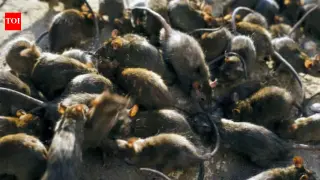
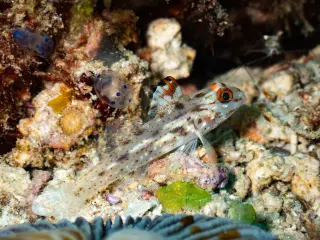
Invasive rats on tropical islands decimate seabird populations and their nutrient-rich guano subsidies to surrounding coral reefs. This reduces nutrient input and reshapes the reef cryptofauna: rat-free reefs are dominated by tiny cryptobenthic fishes, while rat-infested reefs see relatively more invertebrates and altered predator–prey dynamics, signaling cascading changes through the reef food web.

Rats rewire Indian Ocean reefs by starving seabirds and reshaping food webs
science28 days ago

Rats rewire Indian Ocean reefs by starving seabirds and reshaping food webs

New research shows invasive rats on Indian Ocean islands decimate seabirds, cutting nutrient inputs to coral reefs and rewiring reef food webs. The loss of seabird-derived nutrients shifts the base of the ecosystem from cryptobenthic fishes to invertebrates, altering predator energy pathways and illustrating a complex, uneven nutrient impact across rat-infested and rat-free reefs.

Benin's deep-water reef revived, teeming with life
science29 days ago

Benin's deep-water reef revived, teeming with life

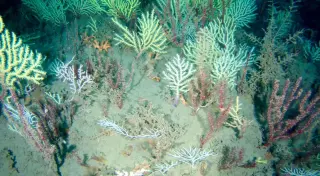
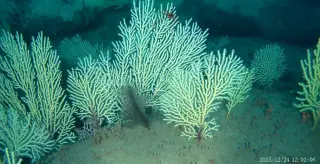
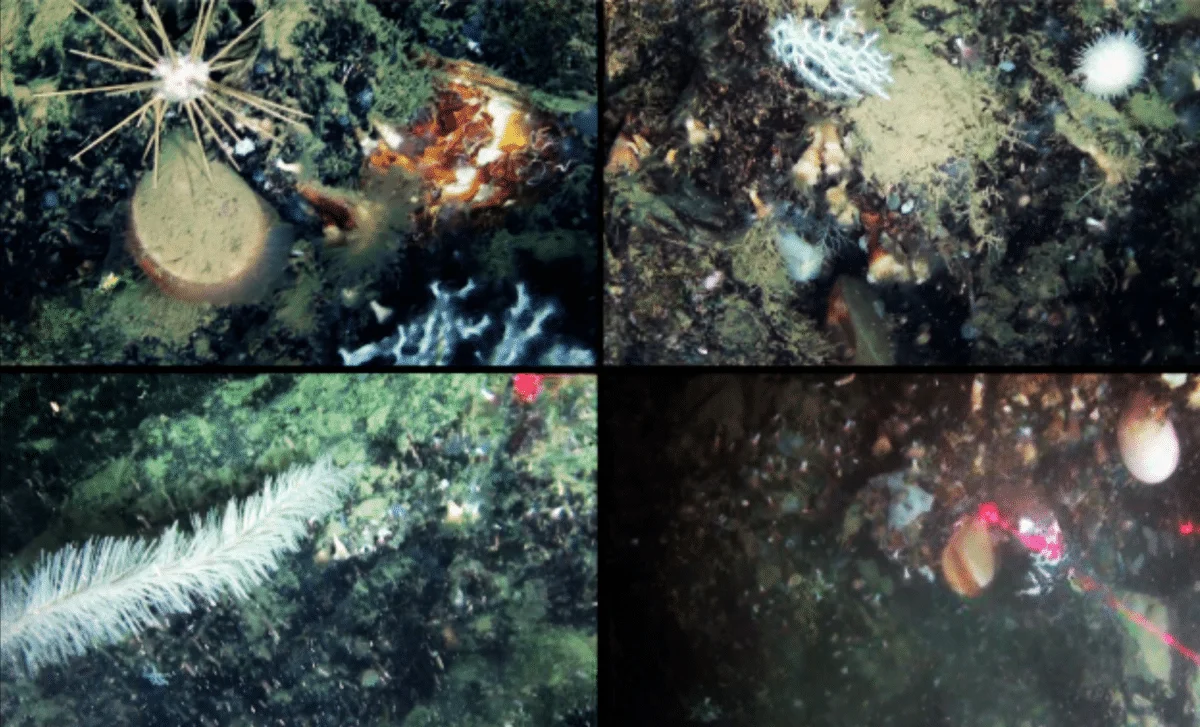
A coral reef off Benin long thought dead has been found alive in a mesophotic, deeper low-light zone. Researchers used 1960s records to guide sonar surveys and underwater drone footage, revealing a living ecosystem with eight fish species and eight coral types. The find highlights gaps in reef mapping and conservation planning and sets the stage for further fieldwork to confirm species and health, with potential implications for regional biodiversity and local fisheries.

Rediscovered Deep-Water Reef Off Benin Surprises Scientists with Rich Biodiversity
science1 month ago

Rediscovered Deep-Water Reef Off Benin Surprises Scientists with Rich Biodiversity

Scientists rediscovered a healthy mesophotic reef off Benin, West Africa, more than 60 years after it was first hinted at, hosting at least eight coral types and eight fish species (including soft corals and black corals). The reef lies about 175 feet below the surface and bridges shallow and deep habitats, offering opportunities for paleoclimatic study and carbon dating, with plans to seek protection and hopes that the Gulf of Guinea becomes a regional hub for marine science.

Rediscovered West African Reef Teems With Life
science1 month ago

Rediscovered West African Reef Teems With Life

A coral reef long presumed dead off the West African coast was found to be alive and teeming with life after modern sonar surveys and an underwater drone revealed a mesophotic coral ecosystem with eight coral types and eight fish species, marking the first confirmed living reef in the Gulf of Guinea shelf and highlighting how little is known about coastal West African ecosystems, with further sampling still needed to confirm species identities and extent.

Benin's long-lost deep-sea reef found thriving after decades
science1 month ago

Benin's long-lost deep-sea reef found thriving after decades

A deep-water coral reef off Benin, previously deemed dead from 1960s surveys, has been rediscovered thriving thanks to modern sonar, an underwater drone, and the Deep Sea Camera System. The researchers mapped 11.5 km of seabed, found eight coral types and eight fish species (including golden African snappers and Guinean angelfish), and identified it as a mesophotic ecosystem. Further sampling is needed to confirm coral vitality and historical status, but the find points to an underexplored reef habitat with implications for ocean history and conservation.

Crown-of-Thorns: The Venomous Giant Starfish Threatening Coral Reefs
science1 month ago

Crown-of-Thorns: The Venomous Giant Starfish Threatening Coral Reefs

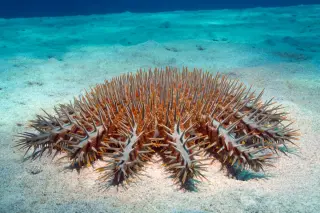
Crown-of-thorns starfish are large, venomous sea stars with up to 21 spines that can reach 80 cm; their toxins can cause severe pain and, in rare cases, fatal reactions. More pressingly, they voraciously eat hard coral—up to about 10 square meters per starfish per year—threatening reefs like the Great Barrier Reef and capable of wiping out reef sections in weeks when populations surge. They regrow from fragments, making culling ineffective, so management favors injections of vinegar or bile salts. Natural predators such as giant triton snails and many reef fish help limit outbreaks, and the presence of giant tritons can even drive COTS away. They feed by everting their stomachs to digest coral tissue, turning it into a coral soup before retracting it.

Soundscapes Offer Hope for Jamaica's Bleached Reefs
science2 months ago

Soundscapes Offer Hope for Jamaica's Bleached Reefs

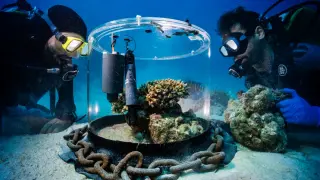
Jamaican researchers are testing underwater speakers that play healthy reef sounds to attract fish to bleached corals, following a similar Great Barrier Reef study that boosted fish on sound-equipped artificial reefs; the effort also involves 3D-printed artificial reefs and lab-grown coral with the Alligator Head Foundation, but it's too early to know if Jamaica will see recovery, and volunteers can support via the foundation.

Color-changing surgeonfish signals for a clean at the Great Barrier Reef
science4 months ago

Color-changing surgeonfish signals for a clean at the Great Barrier Reef

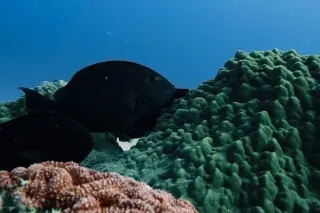
Diver Jamie Wilson filming the Great Barrier Reef captured hundreds of pale surgeonfish visiting a cleaning station, and one fish abruptly darkened from white to black. Scientists say such color changes may signal to cleaner wrasse that the fish is ready for a cleaning and not a threat, aiding parasite removal and communication in reef ecosystems.

Stunning New Image Shows Coral Reef Near Charleston
environment10 months ago

Stunning New Image Shows Coral Reef Near Charleston

A stunning new image captured by marine biologist Phil Dustan reveals a vibrant coral reef thriving around the wreck of the Frederick W. Day schooner, located 11 miles off Charleston. The wreck, which sank in 1914, has become an artificial reef supporting diverse tropical marine life, but overfishing threatens its ecosystem. Dustan and diver Tom Robinson advocate for marine protected areas to preserve this unique underwater habitat, highlighting its ecological and climate significance.

"Discovery of World's Largest Deep Coral Reef Shocks Scientists"
environment2 years ago

"Discovery of World's Largest Deep Coral Reef Shocks Scientists"

Scientists have discovered the largest deep coral reef off the US Atlantic coast, stretching for about 310 miles from Florida to South Carolina and reaching 68 miles wide at some points. This reef, found at depths ranging from 655 feet to 3,280 feet, is nearly three times the size of Yellowstone National Park and provides habitat for a variety of marine life. Using new underwater mapping technology, researchers identified 83,908 individual coral mound peak features in the Blake Plateau, highlighting the significance of this previously unknown reef ecosystem.