Between Carpools compiles a refreshed Be Ready for Camp guide, gathering camp packing lists, gender-specific checklists, and practical tips on labeling, laundry, pre-camp pointers, and safety to help both first-time and veteran families get their kids ready for sleepaway camp this summer.
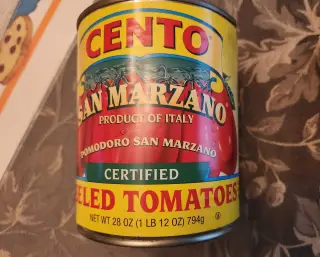
Two California residents sue Cento Fine Foods, claiming its 'Certified San Marzano' canned tomatoes are falsely labeled as authentic San Marzano and possibly fail to meet the official DOP standards; Cento maintains third-party Agri-Cert certification and field-level traceability, noting a previous 2019 NY lawsuit had questioned its San Marzano claims.
Two California residents sue Cento Fine Foods, alleging its canned tomatoes labeled 'Certified San Marzano' are not authentic San Marzano and lack the DOP designation, a claim the suit says misleads consumers; Cento says its product is Agri-Cert certified with traceability, and the case cites a prior 2019 lawsuit challenging its labels.
New research suggests weight management depends not just on what you eat but how you think about it: beliefs about a meal can alter hunger hormones like ghrelin and GLP-1, affecting fullness. Labeling foods as 'healthy' can dampen satisfaction and increase intake, while a restraint mindset may trigger overeating later. The takeaway is to trust your body, avoid deprivation language, enjoy mostly unprocessed foods, and allow occasional treats as part of a balanced plan.
A pharmacist argues that a popular children’s cough syrup is more marketing than medicine: it’s a multi-ingredient product that risks double-dosing and includes an ineffective phenylephrine dose, a sedating antihistamine, and dextromethorphan with weak pediatric evidence, plus dyes and sorbitol. He recommends single-ingredient, age-appropriate options, precise dosing in mL with a syringe, and non-drug measures like humidifiers, saline, fluids, and honey for kids over 1. He also shares practical steps for talking with doctors/pharmacists and reminds caregivers to avoid codeine or tramadol and to seek urgent care for warning signs, emphasizing that the right treatment for kids is safe, targeted care rather than the strongest medicine.
A California class-action alleges Trader Joe's French Roast Low Acid coffee is deceptively labeled, failing to disclose its lower caffeine content; testing shows it contains about half the caffeine of a regular blend, yet the label does not indicate 'low caffeine' or 'half-caff.' The four plaintiffs, who bought the product nationwide, seek damages and an injunction to stop selling the misleading coffee.
The FDA announced it will allow food makers to label products as "no artificial colors" even if dyes are still used, effectively retreating from a plan to ban artificial colorants; critics warn such labeling could mislead consumers and leave dangerous additives like titanium dioxide in foods, while supporters say it advances the shift toward safer, naturally derived alternatives. The move comes amid pressure from the Kennedy-led Maha movement and ongoing state actions, with health groups urging a permanent dye ban and continued scrutiny of both synthetic and natural colorants.
An Illinois federal judge ruled in Buffalo Wild Wings’ favor in a false-advertising case over ‘boneless wings,’ concluding that a reasonable consumer wouldn’t view the product as truly deboned wing meat; the suit was dismissed for lack of factual detail and the ruling applies only in that district, leaving room for potential appeals or broader action elsewhere.
A voluntary recall affects about 6,000 repackaged M&M’s sold in 20 states, due to a labeling error that omitted allergen warnings for milk, soy and peanuts; the FDA classifies it as a Class II recall and consumers with allergies should discard the affected products.
A proposed class-action in the Southern District of California alleges Costco misled customers by labeling Kirkland rotisserie chickens as preservative-free, even though they contain sodium phosphate and carrageenan. Costco has removed preservative language from signs and online listings and says the additives are FDA/FAO-approved for moisture and texture. The plaintiffs say they wouldn’t have bought the chickens had they known about the preservatives, highlighting ongoing scrutiny of ultraprocessed foods.
Two California shoppers filed a class-action alleging Costco falsely advertised its rotisserie chicken as preservative-free while the ingredient list shows sodium phosphate and carrageenan; Costco has removed the claim from in-store and online labels, and the plaintiffs seek a nationwide class across California and other states for alleged consumer-law violations.
Meta is updating its approach to handling manipulated media on its platforms, including Facebook, Instagram, and Threads, based on feedback from the Oversight Board. The changes involve implementing labels to provide context about AI-generated content, including videos, audio, and photos, and addressing manipulation that shows a person doing something they didn't do. The company plans to start labeling AI-generated content in May 2024 and will stop removing content solely based on its manipulated video policy in July. These decisions are informed by extensive public opinion surveys, consultations with global experts, and feedback from civil society organizations and academics.
The US plans to introduce a labeling requirement for goods produced in Jewish settlements in the occupied West Bank, a move that is likely to draw criticism from Israel and its supporters. This decision marks a reversal of the Trump administration's policy and aligns with the international community's view that the settlements are illegal under international law.
A study analyzing over 50 tattoo inks from nine different brands used in the US found that 83% of the inks contained unlisted substances, raising concerns about potential health risks. The research revealed discrepancies between the ingredients listed on the labels and the actual contents of the inks, with some inks containing potentially harmful or undisclosed additives. The findings highlight the need for improved labeling and manufacturing practices in the tattoo ink industry to ensure consumer safety.
The recent death of Chef Michael Chiarello from a severe allergic reaction highlights the hidden dangers of allergies. Allergies can be triggered by various substances, and even mild reactions can turn fatal if not treated properly. Adults can develop new allergies, including to foods they have previously been exposed to. Anaphylaxis, a life-threatening allergic reaction, can occur unpredictably and requires immediate treatment with an EpiPen. It is important to be aware of allergens in unexpected places and to read food labels carefully, as some allergens may not be clearly listed.