Tag

Brain Scans

All articles tagged with #brain scans

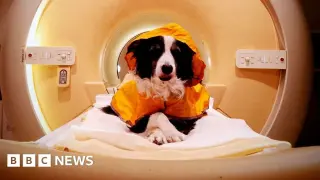
Happy faces light up dogs' brains in new study
science15 days ago

Happy faces light up dogs' brains in new study

A study with 14 dogs in brain scanners found that seeing happy, smiling human faces activates the dogs’ reward-related brain circuitry, suggesting positive expressions have intrinsic value for dogs. The researchers note that dogs can distinguish positive emotions from negative ones, though they don’t differentiate among different negative emotions, and argue that domestication shaped dogs’ social brains. The work reinforces the idea that smiling at dogs can be a rewarding way to communicate with them.
Pandemic Accelerated Brain Aging Regardless of Infection
health1 year ago

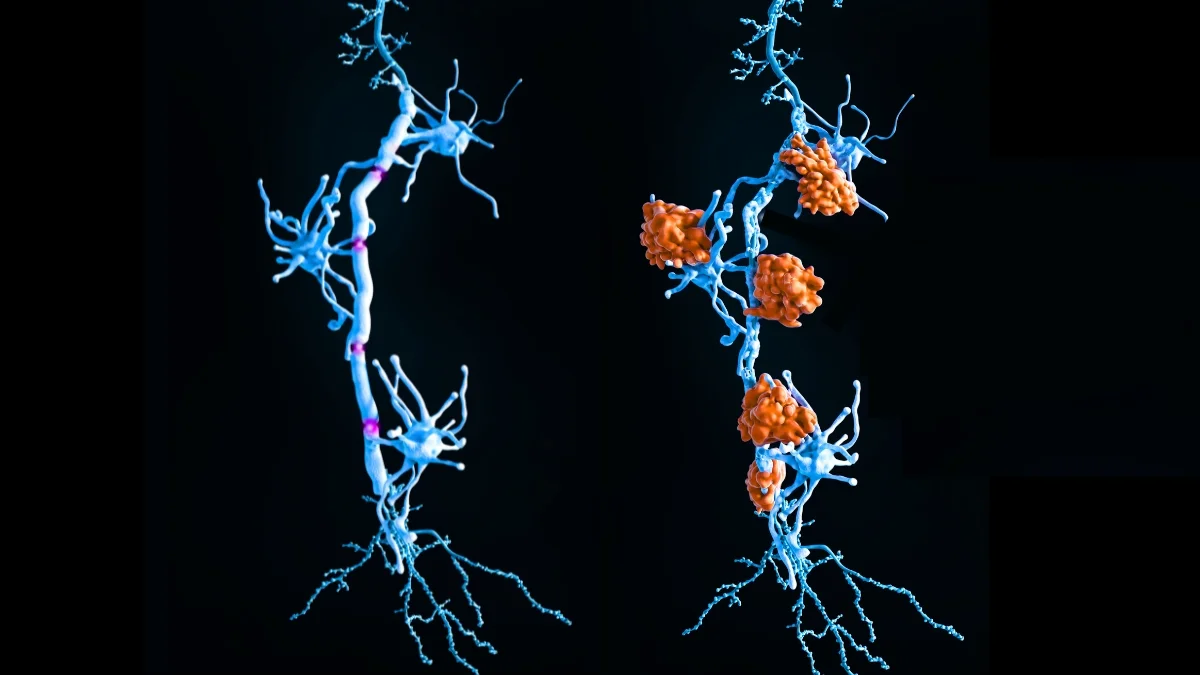
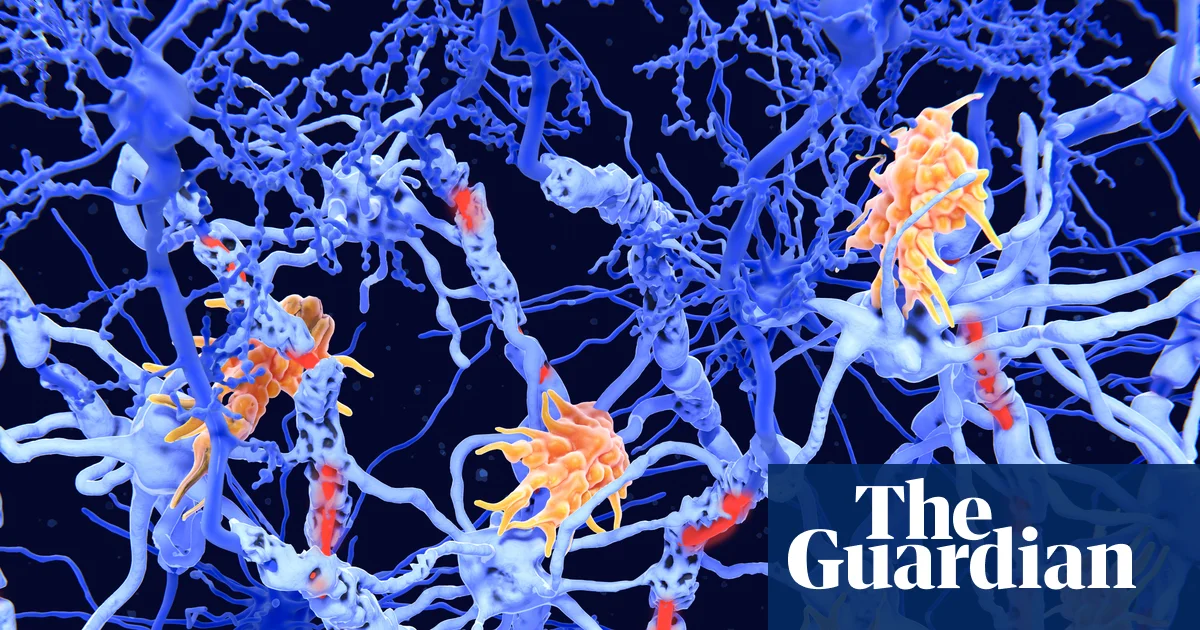
Pandemic Accelerated Brain Aging Regardless of Infection

Research shows that the COVID-19 pandemic has accelerated brain aging by about five and a half months on average, even in individuals who did not contract the virus, likely due to stress, isolation, and uncertainty. The study suggests these changes might be reversible, and highlights the broader impact of environmental and social factors on brain health.

Pandemic Stress Accelerated Brain Aging, Study Finds
health1 year ago

Pandemic Stress Accelerated Brain Aging, Study Finds

A study shows that living through the COVID-19 pandemic, even without infection, subtly accelerated brain aging due to stress, social upheaval, and economic hardship, with infected individuals experiencing additional cognitive decline. The findings highlight the importance of lifestyle factors and social support in mitigating these effects and suggest potential for using brain age as a marker in public health.

Brain Scan Insights into Psychopaths' Unique Neural Traits
science1 year ago

Brain Scan Insights into Psychopaths' Unique Neural Traits

A study comparing brain scans of psychopaths and non-psychopaths found that individuals with psychopathic traits have structural differences in brain regions associated with emotional regulation, impulsivity, and behavioral control, including smaller overall brain size and specific regional reductions, which could inform future treatments and understanding of psychopathy.