Rory McIlroy shot a 65 in Round 2 at Augusta to surge to 12-under and open a record six-shot lead, aided by nine birdies and a dramatic 29-yard chip-in on 17 as he chases back-to-back Masters titles.
Rory McIlroy shot 7-under 65 to take a six-shot lead after 36 holes at Augusta, the largest margin entering the Masters’ third round in history, while adding several Masters records and positioning himself for a potential back-to-back major bid.
Rory McIlroy followed a 67 with a 65 to reach 12-under and establish a record six-shot, 36-hole lead at Augusta, putting him in prime position to become the first back-to-back Masters winner since Tiger Woods in 2002 as Tyrrell Hatton ascends into contention and Patrick Reed and Sam Burns sit just behind in second.
Consumer Reports tested 49 ready-to-feed, concentrated, and powdered infant formulas and found that about half had low or undetected contaminants, while 26 formulas contained inorganic arsenic or lead at concerning levels. The results show a mix of safer, affordable options (especially among ready-to-feed liquids) and products with notable contamination, plus some hypoallergenic formulas performing poorly. The report underscores the need for more transparent, frequent testing and regulatory action in the U.S., notes EU limits for context, and advises parents to consult pediatricians and be cautious with imported formulas not under FDA oversight.
University of Utah researchers analyzed decades of hair samples from Utah families to track lead exposure; hair lead levels rose before 1970 but fell after EPA regulations, declining from about 50 ppm to under 1 ppm after 2020, demonstrating the public health benefits of eliminating lead from gasoline and other products.
A year after the devastating Los Angeles wildfires, residents continue to face hazardous indoor conditions due to lingering toxins like lead and asbestos, with many struggling to get proper cleanup and insurance coverage, leading to ongoing health risks and emotional distress.
Lead, a toxic metal naturally present in the environment and introduced through human activities, can contaminate food, especially if crops are grown in contaminated soil or areas with pollution. While zero exposure is unlikely, reducing intake through a diverse, nutrient-rich diet and choosing brands that test for lead can help protect vulnerable populations, particularly children and women of childbearing age.
A study reveals that ancient lead exposure over two million years ago influenced human brain evolution, possibly affecting cognition and language development, with modern humans developing genetic protections against lead toxicity.
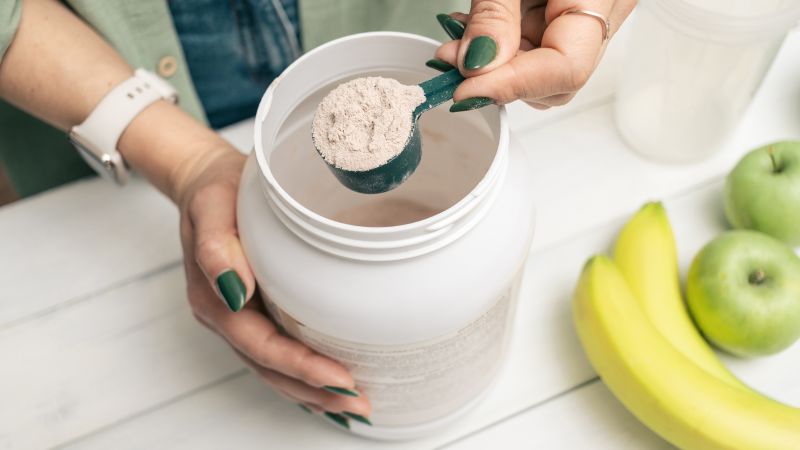
A Consumer Reports investigation found concerning levels of lead in many popular protein powders, especially plant-based ones, but advises moderation rather than panic, highlighting the lack of federal safety standards and urging consumers to scrutinize product labels and choose wisely.
Lottie Woad maintains a two-shot lead in her professional debut at the Women’s Scottish Open after a strong 5-under 67, with her game control and key birdies keeping her in front as she aims for her first LPGA win, matching Rose Zhang's record for a debut victory.
A study published in the Journal of Child Psychology and Psychiatry links the use of leaded gasoline to an estimated 151 million mental health disorders in the U.S. over 75 years, particularly affecting Generation X. The study highlights increased rates of depression, anxiety, ADHD, and neurotic behavior among those exposed to leaded gas as children, with peak exposure occurring from the mid-1960s to mid-1970s. Despite the ban on leaded gas in 1996, the long-term effects continue to impact mental health, with researchers suggesting these estimates are conservative.
A study suggests that over 150 million cases of mental health disorders, such as ADHD, anxiety, and depression, may be linked to lead exposure from gasoline, particularly affecting those born between 1966 and 1986. The research highlights the significant impact of lead on children's health, noting its potential to cause cognitive and mood disorders. Despite the ban on leaded gasoline in 1996, lead remains present in various products, underscoring the need for continued efforts to reduce exposure.
Consumer Reports found that Lunchables and similar lunch kits contain high levels of lead, cadmium, and sodium, with most also testing positive for phthalates. The group advises against regularly consuming these products and warns against considering them a healthy school lunch option.
Consumer Reports found high levels of lead and sodium in Lunchables and similar lunch kits from other brands, prompting concerns about the health effects on children. Kraft Heinz defended Lunchables, stating that the products meet safety standards and provide added nutrients. Medical experts warn that lead exposure can lead to neurodevelopmental and physical issues in children, while excessive sodium intake can increase the risk of metabolic disturbances, cardiovascular disease, and kidney impairment. Over 17,000 people have signed a petition asking the USDA to remove Lunchables from school cafeterias.
Consumer Reports found high levels of lead and sodium in Lunchables and similar lunch kits from other brands, prompting concerns about the health impact on children. Kraft Heinz defended Lunchables, stating that the products meet safety standards and provide added nutrients. Medical experts warn that lead exposure can lead to neurodevelopmental and physical issues in children, while excessive sodium intake can increase the risk of metabolic disturbances, cardiovascular disease, and kidney impairment. Over 17,000 people have signed a petition asking the USDA to remove Lunchables from school cafeterias.