Tag

Lunar Geology

All articles tagged with #lunar geology

Artemis II to reveal Mare Orientale, the Moon’s celestial bullseye, from a new vantage
space20 days ago

Artemis II to reveal Mare Orientale, the Moon’s celestial bullseye, from a new vantage

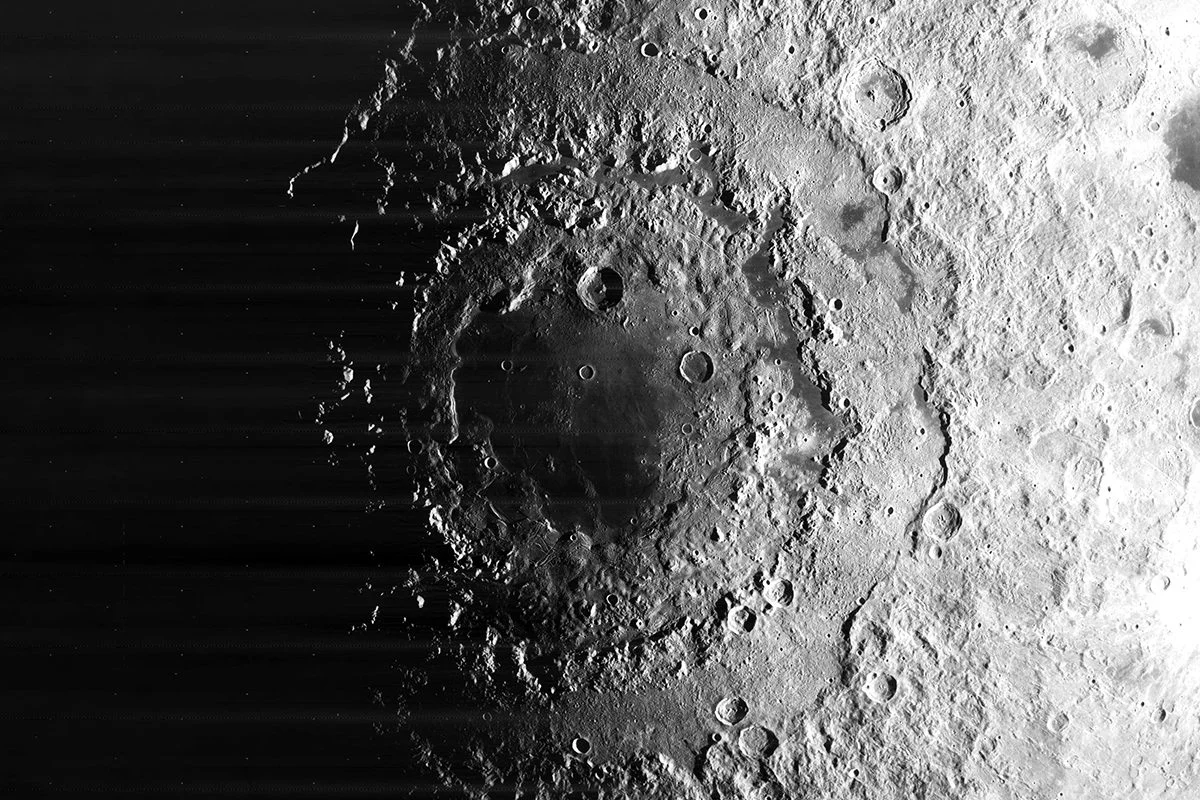
Artemis II will fly high over the Moon’s far side, giving humans their first full daylight view of Mare Orientale, a massive bullseye-style impact basin ringed by three mountain ranges. While Orientale has been imaged before by robotic probes and Earthshine photographs from Apollo 17, this mission will be the first to reveal it in its entirety from a crewed spacecraft, with scientists hoping the imagery will unlock new details about its structure and history.

China Eyes Volcanic Rimae Bode as Its First Crewed Moon Landing Site
space29 days ago

China Eyes Volcanic Rimae Bode as Its First Crewed Moon Landing Site

New analysis points China’s first crewed lunar landing to the volcanic region Rimae Bode on the Moon’s near side, highlighting a compact area with diverse geology (basalts, rilles, highland material) that could support science and mission design; four landing options within the region have been proposed as part of a broader Chang’e plan aiming for 2030.

China eyes lunar 'geological museum' at Rimae Bode for its first crewed Moon landing
science1 month ago

China eyes lunar 'geological museum' at Rimae Bode for its first crewed Moon landing

A Nature Astronomy study identifies the Moon's near-side Rimae Bode region as a premier landing site for China's first crewed lunar mission, offering safe terrain and a geologically rich area with lava plains, rilles, and ejecta that could reveal the Moon's deep interior; four feasible landing sites were found within the area, astronauts will undergo extensive geological training, and planning will continue alongside new remote-sensing satellites and Mengzhou spacecraft on the Long March 10A to support a 2030 goal.

Scientists Monitor New Moon Boulder Falls
science7 months ago

Scientists Monitor New Moon Boulder Falls

Scientists have identified and dated 245 recent boulder falls on the moon, revealing ongoing geological activity and challenging the belief that the moon is geologically dead. They used high-resolution images and impact ejecta analysis to determine the age of these events, which are linked to seismic faults and impact sites, providing new insights into lunar surface dynamics.

Meteorite Discovery Bridges Billion-Year Gap in Moon's Geological History
science8 months ago

Meteorite Discovery Bridges Billion-Year Gap in Moon's Geological History

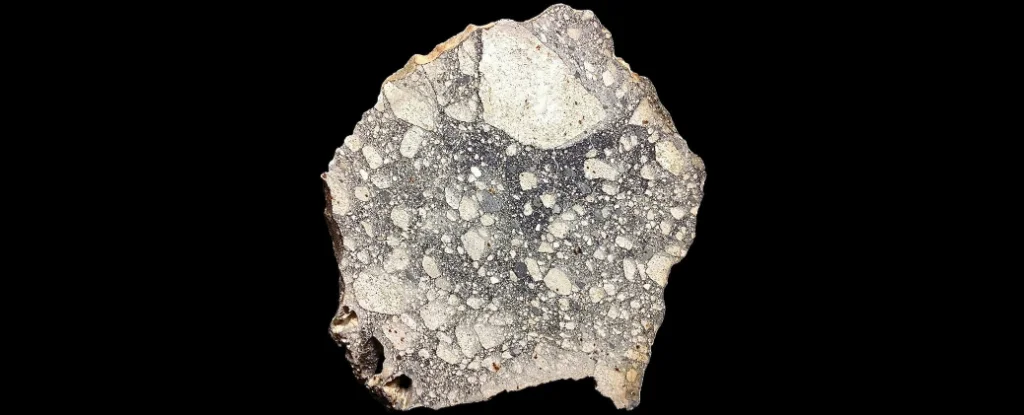
A 2.35 billion-year-old lunar meteorite discovered in Africa in 2023 fills a nearly billion-year gap in the Moon's volcanic history, indicating prolonged volcanic activity and internal heat processes. This meteorite's unique geochemical features suggest it originated from deep within the Moon, providing new insights into lunar evolution beyond previous mission samples.

Lunar Far Side Samples Unveil Ancient Volcanic Activity
science1 year ago

Lunar Far Side Samples Unveil Ancient Volcanic Activity

China's Chang'e 6 mission has returned the first samples from the moon's far side, revealing volcanic activity 2.8 billion years ago. The analysis of these basalt samples shows a lack of potassium, rare Earth elements, and phosphorus, possibly due to the South Pole-Aitken basin impact. This elemental imbalance may explain why the far side has fewer mare basalts compared to the near side. The findings provide new insights into the moon's geological history and the differences between its two sides.

Lunar Far Side's Volcanic Past Unveiled by New Samples
science1 year ago

Lunar Far Side's Volcanic Past Unveiled by New Samples

Researchers from the US and China have discovered evidence of ancient volcanic activity on the Moon's far side, with basalt fragments dating back over 4.2 billion years. The samples, collected by China's Chang’e-6 mission, revealed a surprisingly young eruption from 2.83 billion years ago. This study, published in Nature and Science, marks the first geochronology analysis of samples from the Moon's far side, offering new insights into its unexplored geology.

"Moon Rock Formation: Unraveling a Lunar Geology Mystery"
science-and-technology2 years ago

"Moon Rock Formation: Unraveling a Lunar Geology Mystery"

New research published in Nature Geoscience has uncovered a crucial process in the creation of unique lunar rocks, shedding light on their signature composition and presence on the Moon's surface. The study, led by scientists from the Universities of Bristol and Münster, used high-temperature experiments and isotopic analyses to identify a key reaction that occurred in the deep lunar interior billions of years ago, explaining the formation of high-Ti basalts. This discovery resolves a long-standing puzzle in lunar geology and provides insight into the intriguing history of volcanic lunar rocks.

"Scientists Confirm New Geological Period for the Moon"
science2 years ago

"Scientists Confirm New Geological Period for the Moon"

Scientists have announced that the moon has entered a new geological period, marking a significant milestone in lunar geology and space exploration. This new period, known as the "Era of Cold Traps," is characterized by the accumulation of water ice in the moon's permanently shadowed regions, providing valuable insights into the moon's history and potential resources for future human missions.

"Mysterious Radioactive Hot Spot Unveils Ancient Moon Volcano on Far Side"
science-and-technology2 years ago

"Mysterious Radioactive Hot Spot Unveils Ancient Moon Volcano on Far Side"

A recent study utilizing data from the Chinese Chang'E 1 and 2 orbiters has revealed a radioactive hot spot on the far side of the Moon known as the Compton-Belkovich Thorium Anomaly. This hidden feature, believed to be a dormant lunar volcano, contains a unique type of material not found outside of Earth. The study utilized microwave wavelengths to measure the temperature beneath the Moon's surface and found that the hot spot is still generating heat despite being inactive for billions of years. This discovery suggests that the Moon's internal heat persists due to the presence of radioactive elements within batholith structures.