Tag

Dark Skies

All articles tagged with #dark skies

Perseids Peak Tonight: How to Photograph the Sky’s Brightest Show
science11 days ago

Perseids Peak Tonight: How to Photograph the Sky’s Brightest Show

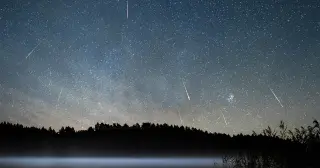
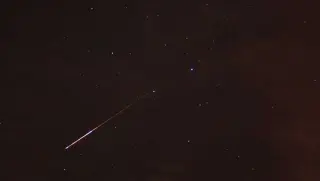
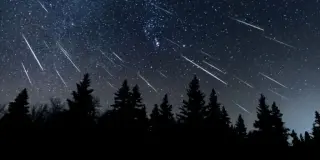
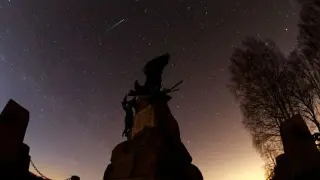
The Perseids meteor shower peaks tonight for observers across the Northern Hemisphere, with NASA noting up to about 100 meteors per hour under dark skies, and the shower continuing through Aug. 24. For photographers, experts advise treating it like a time-lapse opportunity: use a wide-angle lens, a sturdy tripod, and a remote release for long exposures to capture meteor streaks, while seeking very dark locations and planning scenes in advance. Guides from PetaPixel and PhotoPills emphasize location, planning, and patience to maximize photo opportunities.

Perseid Meteor Shower Set to Shine Over New Hampshire Under New Moon
science11 days ago

Perseid Meteor Shower Set to Shine Over New Hampshire Under New Moon

The Perseid meteor shower peaks overnight in New Hampshire during a new moon, providing a moon-free sky and the potential for dozens of meteors per hour. For best viewing, find a dark open area away from city lights; clouds could briefly interrupt viewing around 11 p.m. and 2 a.m., but conditions should clear toward dawn, and the shower can be visible in the days surrounding the peak.

Tiny Spanish village to witness two sunsets in one night during 2026 eclipse
travel23 days ago

Tiny Spanish village to witness two sunsets in one night during 2026 eclipse

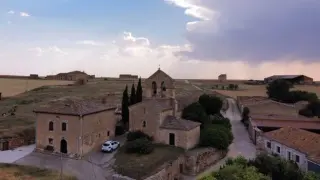
Avellanosa de Muñó, a nearly deserted village in Burgos, Spain, will become a viewing hotspot on 12 August 2026 as a total solar eclipse sweeps across Europe, delivering a rare double twilight near sunset before the Perseids meteor shower, with villagers and visitors gathering in cave viewpoints to witness what may briefly put this tiny place at the center of the world.

South Dakota Tops U.S. Stargazing Rankings With Dark Skies
travel1 month ago

South Dakota Tops U.S. Stargazing Rankings With Dark Skies

A Live Casinos ranking evaluated night-sky darkness and cloud cover across all 50 states, naming South Dakota the best state for stargazing with a 7.79/10 star-visibility score; about half the state lies in the darkest Bortle categories and annual cloud cover is around 11.65%, with Sanborn County highlighted as the prime viewing spot. Wyoming and Alaska also rank highly, followed by Montana, Arizona, Nevada, North Dakota, New Mexico, Nebraska, and Oregon.

Daylight eclipse, nighttime meteors: August’s celestial double event
science1 month ago

Daylight eclipse, nighttime meteors: August’s celestial double event

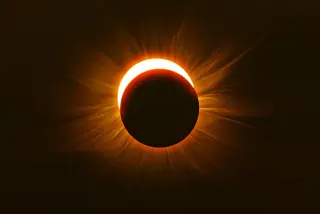
On August 12, 2026, a daytime total solar eclipse will be visible in parts of Europe and Greenland (with a partial eclipse elsewhere in Europe and North America), followed by the Perseid meteor shower at night; the guide explains where to watch, safety tips for viewing the Sun with certified eclipse glasses, and how to observe meteors under dark skies to enjoy both events in one evening.

Texas Telescope Ranches Put Remote Skywatching on the Map
technology3 months ago

Texas Telescope Ranches Put Remote Skywatching on the Map

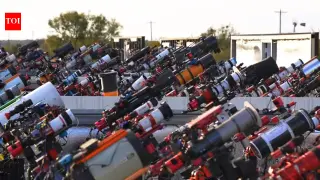
Remote observatories in rural Texas host hundreds of permanently mounted telescopes that are controlled online from around the world, with Starfront Observatories in Rockwood housing 550+ automated systems under some of America’s darkest skies; the setup relies on permanent mounts, fibre connectivity and automated roofs to let hobbyists and researchers image deep-space objects without traveling to the site, reflecting a broader shift toward cloud-like, automated astronomy driven by light pollution and internet-based control.

Threat to Atacama's Dark Skies as Light Pollution Spreads
science4 months ago

Threat to Atacama's Dark Skies as Light Pollution Spreads

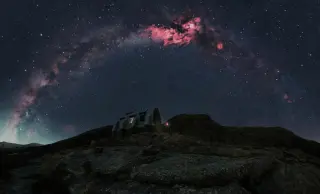
The Atacama Desert, a premier astronomy hub hosting the ELT and major observatories, faces rising light pollution from mining, energy projects, and urban development. Scientists warn that even small increases in artificial light can degrade decades of data and hinder the search for Earth-like planets, spurring calls for stricter protections and regulatory updates after a near-miss green-energy project near Paranal highlighted governance gaps.

Northern Lights Light Up 25 States Tonight—Where to See Them
science4 months ago

Northern Lights Light Up 25 States Tonight—Where to See Them

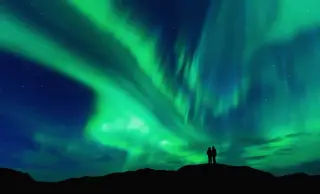
The aurora borealis could be visible across 25 U.S. states tonight, from Alaska to parts of the Northeast, with the best views in dark, rural locations after nightfall (roughly 10 p.m.–2 a.m.). NOAA’s space weather forecast indicates varying auroral activity, so observers should seek clear northern horizons and consider long-exposure photography to capture the display.

Lyrid Meteor Shower: Peak Time and Best Viewing Tips This Week
space4 months ago

Lyrid Meteor Shower: Peak Time and Best Viewing Tips This Week

The Lyrid meteor shower is set to peak around 4 p.m. ET on Wednesday, with prime viewing for the Northern Hemisphere from Tuesday night through dawn Wednesday under a dark sky. To watch, seek out a dark, light-pollution-free area, lie on your back, and give your eyes about 45 minutes to adjust; avoid using your phone to protect night vision. Under favorable conditions you can expect roughly 10–20 meteors per hour, with occasional surges up to 100 per hour (though the next big outburst isn’t until 2040). The shower hails from Comet Thatcher and radiates from Lyra near Vega, and it runs through April 30. A next meteor shower, Eta Aquariids, peaks May 5–6.

Chasing a Fading Glow: Plan a Northern Lights Trip Before They Disappear
travel5 months ago

Chasing a Fading Glow: Plan a Northern Lights Trip Before They Disappear

After peaking in Oct 2024, the aurora borealis is fading as the solar cycle moves toward minimum; recent displays have even been seen in Florida, Mexico, and other southern urban skies. To maximize your chances before they fade, plan a high-latitude, dark-sky trip during clear, moonless nights, seek locations away from light pollution, and monitor space-weather forecasts for geomagnetic activity, staying flexible with dates and destinations.

Northern Lights Hit Ten States Tonight Amid Solar Storm Watch
science5 months ago

Northern Lights Hit Ten States Tonight Amid Solar Storm Watch

A NOAA geomagnetic storm watch due to a high-speed solar wind stream could bring the aurora borealis to ten U.S. states tonight through the weekend, visible between 10 p.m. and 2 a.m. local time if skies are clear. Best viewing is away from city lights; monitor live forecasts, and use Night Mode/Pro Mode on iPhones (preferably main lens, RAW if possible) for photos.