Tag

Lyrids

All articles tagged with #lyrids

Lyrid Meteor Shower Peaks With 15–20 Meteors Per Hour This April
science1 month ago

Lyrid Meteor Shower Peaks With 15–20 Meteors Per Hour This April

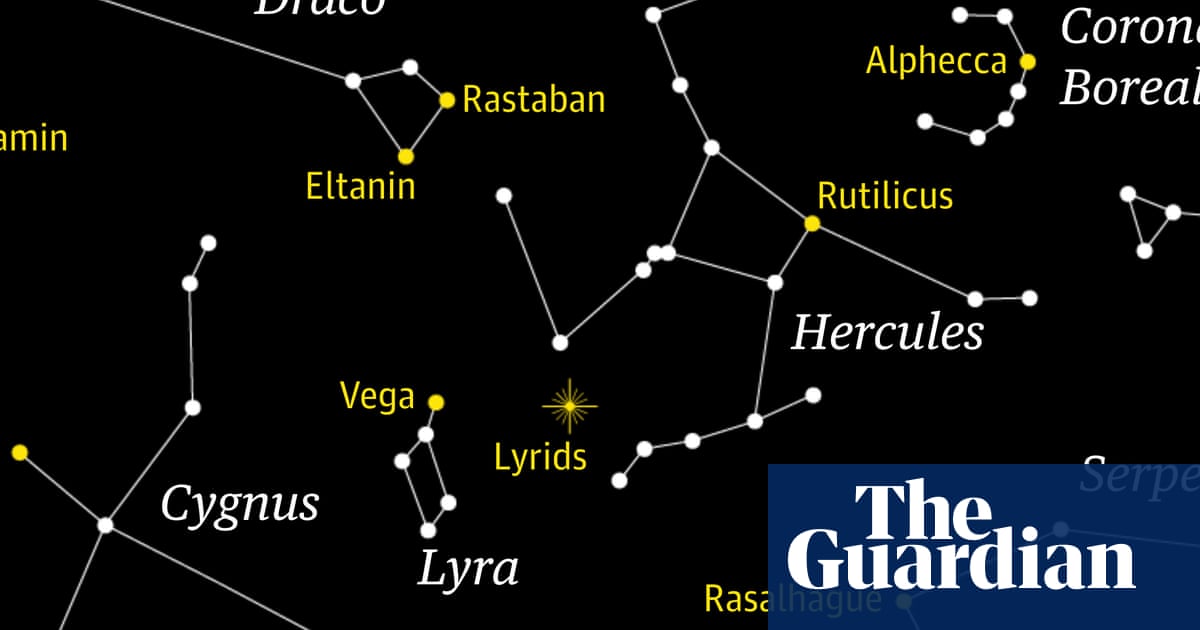
From the night of April 21 into the early hours of April 22, the Lyrids are expected to produce 15–20 meteors per hour under dark skies; the radiant lies in Lyra near Vega, with a crescent Moon causing little interference, so viewing after 10 pm away from light pollution is best. The shower originates from debris of comet C/1861 G1 Thatcher, and the calendar after it features Eta Aquarids, Perseids, Orionids, Leonids, and Geminids (the latter being the most intense).
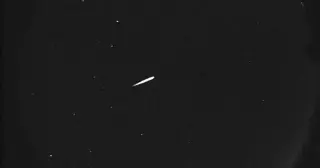
Lyrids Peak Tonight: Best Bets for Watching the Ancient Meteor Shower
science1 month ago

Lyrids Peak Tonight: Best Bets for Watching the Ancient Meteor Shower

The Lyrids meteor shower peaks tonight into tomorrow (April 21–22), with bright meteors radiating from Lyra as Earth passes debris from comet Thatcher. Best viewing is with naked eyes under dark skies between midnight and sunrise; give your eyes about 30 minutes to adapt, and be aware the Moon will be a 27% crescent that can wash out fainter meteors. Weather forecasts point to the Upper Midwest as the likeliest to have clear skies, while Chicago and much of the Northeast may be clouded; pockets of clearing could occur in parts of the West and Southeast as a storm system moves east. The shower can be seen all night through April 30, and no telescope is needed.

Lyrid Meteor Shower: Peak Time and Best Viewing Tips This Week
space1 month ago

Lyrid Meteor Shower: Peak Time and Best Viewing Tips This Week

The Lyrid meteor shower is set to peak around 4 p.m. ET on Wednesday, with prime viewing for the Northern Hemisphere from Tuesday night through dawn Wednesday under a dark sky. To watch, seek out a dark, light-pollution-free area, lie on your back, and give your eyes about 45 minutes to adjust; avoid using your phone to protect night vision. Under favorable conditions you can expect roughly 10–20 meteors per hour, with occasional surges up to 100 per hour (though the next big outburst isn’t until 2040). The shower hails from Comet Thatcher and radiates from Lyra near Vega, and it runs through April 30. A next meteor shower, Eta Aquariids, peaks May 5–6.

Lyrid Meteor Shower Peaks With 10–20 Meteors Per Hour
science1 month ago

Lyrid Meteor Shower Peaks With 10–20 Meteors Per Hour

The Lyrid meteor shower, from debris left by comet Thatcher, is set to peak with 10–20 meteors per hour and will be best viewed in the Northern Hemisphere after midnight; dim crescent moonlight should aid visibility, so find a dark spot away from city lights, let your eyes adjust for 15–30 minutes, and be patient as meteors appear to radiate from Lyra. The Eta Aquarids will follow in early May.

Lyrid meteor shower peaks this week with 10-20 meteors per hour
science1 month ago

Lyrid meteor shower peaks this week with 10-20 meteors per hour

The Lyrid meteor shower peaks Tuesday night into Wednesday morning, delivering about 10 to 20 shooting stars per hour, with best viewing in the Northern Hemisphere after midnight away from city lights. The meteors originate from debris left by comet Thatcher (the comet itself is visible only about every 415 years); a dim crescent moon will set before the peak, reducing glare. Look toward the Lyra constellation in the northeastern sky after your eyes adjust (about 15-30 minutes) for the brightest meteors.

Spring’s Ancient Fireworks: Lyrid Meteor Shower Peaks Next Week
science1 month ago

Spring’s Ancient Fireworks: Lyrid Meteor Shower Peaks Next Week

The Lyrids (April 14–30) originate from Comet Thatcher’s debris and will peak in the predawn hours of April 21–22, typically producing 10–15 meteors per hour. No special gear is needed—just a clear, dark sky away from city lights, and about 15–20 minutes for your eyes to adjust, with the radiant in Lyra near Vega, best viewed from the Northern Hemisphere (some meteors may also be seen from the Southern Hemisphere).

Predawn Lyrids 2026: How, when and where to watch the shooting stars
space1 month ago

Predawn Lyrids 2026: How, when and where to watch the shooting stars

The Lyrid meteor shower runs April 16–25, 2026, peaking in the predawn hours of April 22. Expect about 15–20 meteors per hour (with rare outbursts) from debris of Comet Thatcher (C/1861 G1 Thatcher). The radiant is in Lyra near the Hercules–Lyra border, best viewed from a dark sky before dawn as the Moon sets after midnight. No special equipment is needed—just look up and enjoy.

April’s Pink Moon Rises as Artemis II Window Opens
space1 month ago

April’s Pink Moon Rises as Artemis II Window Opens

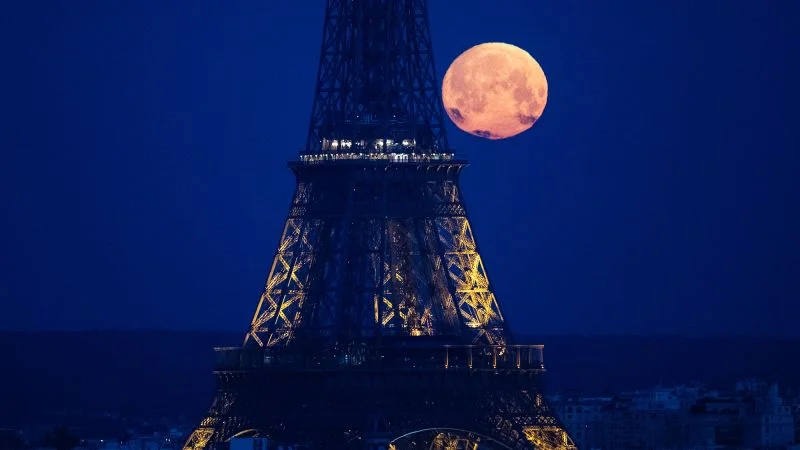
April’s full pink moon will peak around 10:11 p.m. ET, a name honoring Phlox subulata’s spring bloom rather than the moon’s color, with observers urged to view in clear skies; the timing coincides with NASA’s Artemis II launch window (April 1–6) in which four astronauts will orbit the Moon rather than land. The piece also notes Indigenous names for the moon and upcoming meteor showers (the Lyrids in April and the Eta Aquariids in May), as space enthusiasts anticipate spring skies and deep-space missions.

April 2026 Stargazing Gear Guide: Cameras, Binoculars, and Telescopes for Lyrids and Comets
space1 month ago

April 2026 Stargazing Gear Guide: Cameras, Binoculars, and Telescopes for Lyrids and Comets

Live Science’s April 2026 stargazing gear guide suggests the best cameras, binoculars, and telescopes to enjoy this month’s sky events, including the Full Pink Moon, the Lyrid meteor shower, and two bright comets (C/2026 A1 MAPS and C/2025 R3 PanSTARRS). It highlights a dark-sky window around the new moon on April 17 for deep-sky observing and astro-photography, and offers practical gear picks and tips for lunar, planetary, and galaxy observing.

"Lyrid Meteor Shower: A Spectacular Celestial Event in April"
astronomy2 years ago

"Lyrid Meteor Shower: A Spectacular Celestial Event in April"

The annual Lyrids meteor shower, originating from the comet Thatcher, will peak on the night of April 22nd, offering between five and 20 meteors an hour, with the possibility of rare "fireballs". The Earth encounters the dust particles left behind by the comet every year between April 15th and 29th, with occasional outbursts of increased activity. The shower will be visible in the northern sky, with the constellation reaching its highest point around 2am from the southern hemisphere.

Mysterious Explosion in Indiana Revealed to be Meteor
science3 years ago

Mysterious Explosion in Indiana Revealed to be Meteor

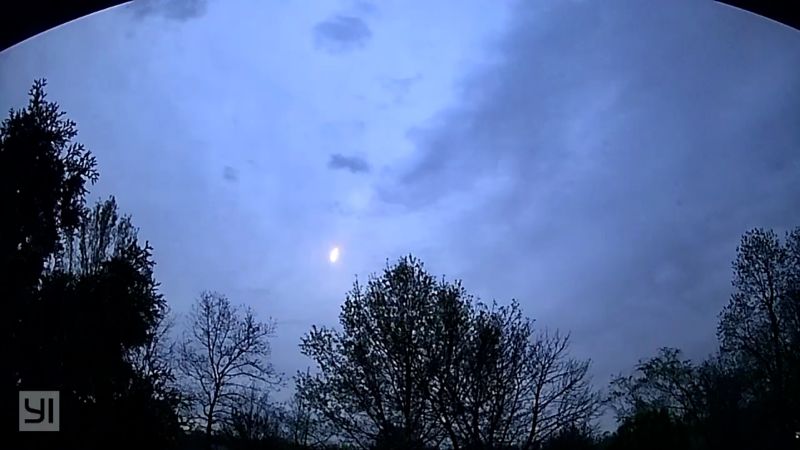
Residents of Hamilton County, Indiana witnessed a bright light streaking across the sky, which they initially thought was an explosion. Hamilton County Emergency Management believes the sound and light were caused by a sonic boom from a meteor. Pilots in Kentucky saw a meteor to the north and a lightning detection center picked up signals over Carroll County. The Lyrids meteor shower is currently ongoing, and meteors from the shower are expected to be most frequent on Saturday night into the early hours of Sunday morning.

Don't Miss the Lyrids Meteor Shower Peak This Weekend.
science3 years ago

Don't Miss the Lyrids Meteor Shower Peak This Weekend.

The Lyrids meteor shower, one of the oldest recorded meteor showers, will be illuminating the night sky on Saturday, April 22. Under ideal conditions, it’s possible to observe around 10 to 20 Lyrid meteors per hour; however, as many as 100 meteors per hour have been observed. To observe the meteor shower, it's best to find an area away from city lights late Saturday evening.

Don't Miss the Lyrid Meteor Shower's Weekend Peak
science3 years ago

Don't Miss the Lyrid Meteor Shower's Weekend Peak

The Lyrids meteor shower, one of the oldest-recorded meteor showers, is expected to produce 10 to 15 meteors per hour for three nights centered around its peak of 9:06 p.m. ET on Saturday. The best time to view the Lyrids will start late evening on Saturday through the early morning hours on Sunday. A near new moon will leave perfect viewing conditions, with no bright light interference from what a full moon would cause. The Lyrids' comet is named C/1861 G1 Thatcher, and it is a little over halfway through its 415-year orbit.