
Tag

Lyrid

All articles tagged with #lyrid

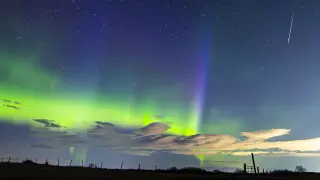
Earth-and-space captures showcase the 2026 Lyrid meteor shower
space1 month ago

Earth-and-space captures showcase the 2026 Lyrid meteor shower

Space.com highlights dramatic images from the 2026 Lyrid meteor shower, captured from both Earth and the International Space Station as Earth crossed Thatcher’s debris near the peak on April 22. Ground photos from Alberta and Minnesota show meteors blazing past auroras and city lights, while NASA astronaut Jessica Meir photographed a Lyrid from the ISS. Lyrids are among the oldest observed showers (about 2,700 years) and the event remains active through April 25, with up to ~20 meteors per hour near the peak. The piece also offers photography tips, gear notes, and mentions the next shower, the Eta Aquariids, in May.
"2024 Lyrid Meteor Shower Peaks: Where and When to Watch"
astronomy2 years ago

"2024 Lyrid Meteor Shower Peaks: Where and When to Watch"

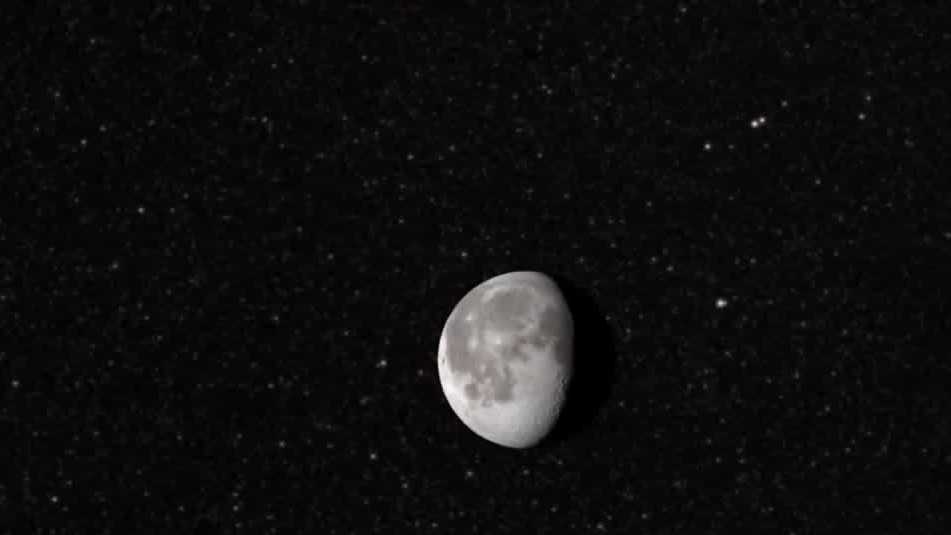
The Lyrid meteor showers will peak Sunday night after midnight through early dawn on Monday morning, with ten to twenty meteor showers per hour shooting across the sky, and some potentially intensifying to produce 100 meteors per hour. However, the full moon that night may outshine the view for stars. Additionally, the International Space Station will be traveling overhead before sunrise on Monday morning, appearing as a solid white dot moving slowly across the sky.

Get Ready for the Lyrid Meteor Shower: A Spectacular Show in Late April!
astronomy3 years ago

Get Ready for the Lyrid Meteor Shower: A Spectacular Show in Late April!

The annual Lyrid meteor shower will be active in mid-April and peaking in late April, with 10 to 20 meteors per hour expected to be visible in dark locations during the pre-dawn hours on April 23. The Eta Aquariids meteor shower in early May will be difficult to spot due to the full moon, but there is still a possibility of a significant outburst. The Perseid meteor shower is expected to put on a great show later this summer, peaking during the pre-dawn hours on Aug. 13 with as many as 90 meteors per hour visible in dark locations.