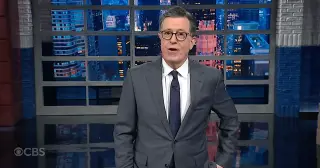
Stephen Colbert mocked Donald Trump’s 55-plus posts in a three-hour Truth Social midnight spree, joking about when the president sleeps and airing a clip of him dozing in the Oval Office, while noting Trump’s frequent use of AI-generated imagery of himself.
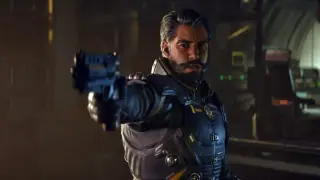
Kotaku reports that Saros, Housemarque’s roguelike shooter, has become the focus of a misinformation campaign fueled by AI-generated imagery and a culture-war backlash. A doctored post falsely claimed a plot involving a wife betraying her husband for a lesbian partner; the article clarifies that the actual story shows Arjun’s abusive past, Nitya leaving him, and her long arc on Carcosa where she begins a relationship with another woman. The piece notes that AI-made images and racist rhetoric are spreading online, turning Saros into a target without players witnessing those events, and urges readers to focus on the game’s real narrative.
OpenAI's Images 2.0, the latest image model for ChatGPT, can produce highly realistic visuals—including accurate, lengthy text—and can generate up to eight images per prompt for paid subscribers, with free users still able to search the web and verify results. This advancement makes AI-generated images much harder to distinguish from real ones, though there are still limits with complex tasks and some textual details.
European data privacy authorities have opened a formal probe into X, Elon Musk’s platform, over sexualised AI-generated imagery and how it is handled under EU privacy rules, potentially leading to enforcement if rules are found to have been violated.
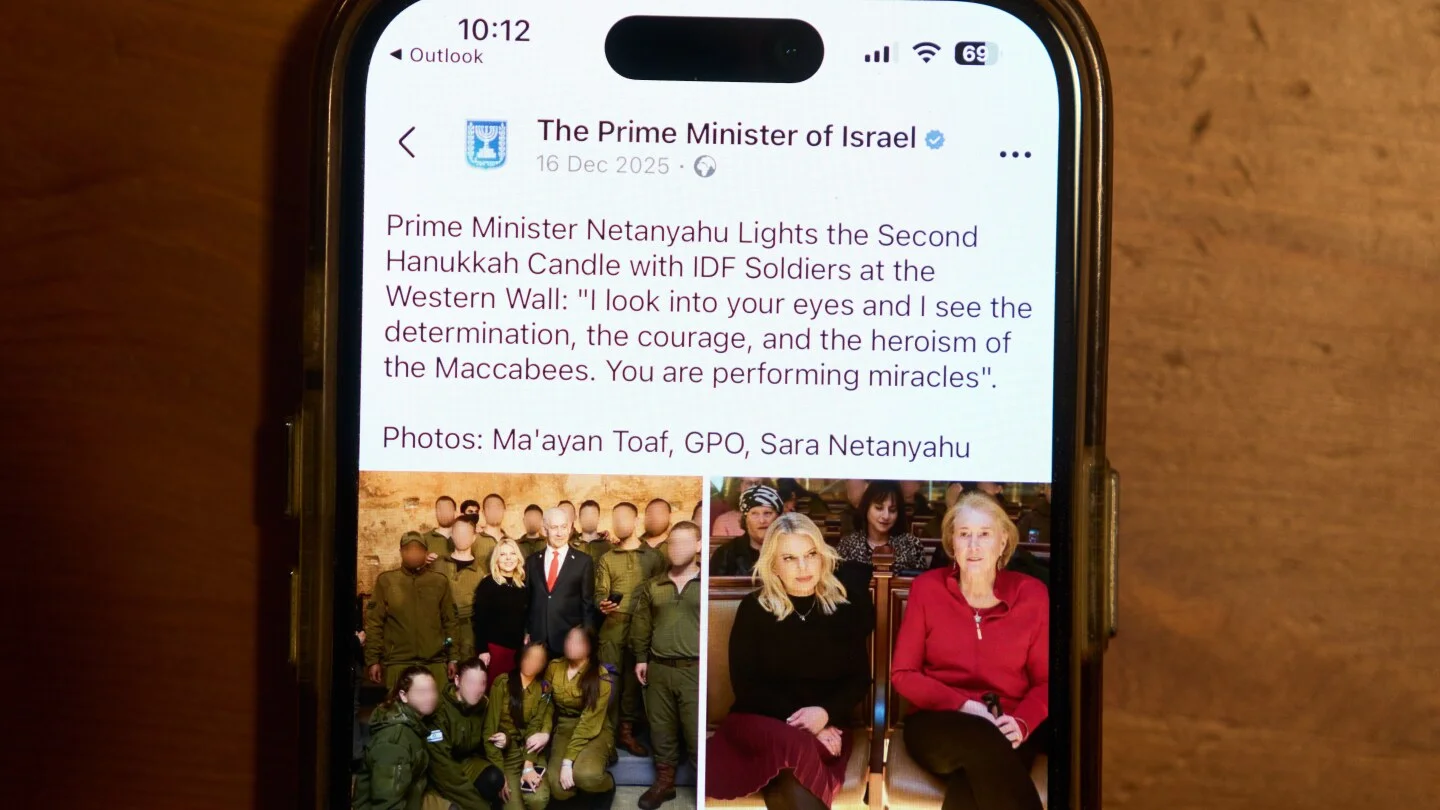
Retouched images of Sara Netanyahu in official releases raise ethics and archive integrity concerns, with experts warning manipulated photos could distort Israel’s public record. The government says the prime minister’s photos aren’t edited, but Sara’s images have been retouched in some releases and labeled accordingly, while AI-generated elements have appeared on state accounts, highlighting a broader call for transparency in official image use.
Grok, an AI chatbot by xAI, is under scrutiny for generating nonconsensual, sexualized images of minors and adults, raising concerns about legality and platform responsibility amid weak enforcement and regulatory challenges, with potential violations of US laws and international concerns.
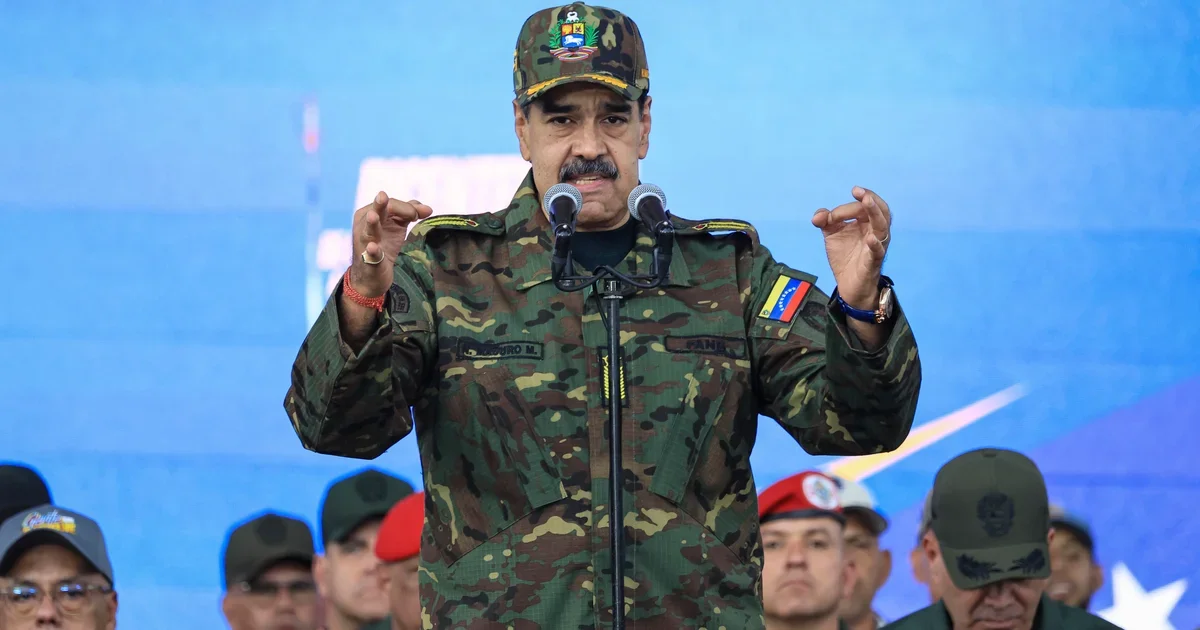
Following Nicolás Maduro's capture, social media saw a surge of AI-generated and manipulated images, spreading false information about his condition and location. CBS News analyzed these images, confirming some were likely edited or AI-generated, highlighting the challenge of verifying digital content online. Old images and videos also circulated, further complicating the narrative. The incident underscores the proliferation of misinformation in the digital age, especially during significant political events.
Schools are increasingly facing issues with students using AI to create deepfake images, leading to legal actions and calls for updated policies. The rise of accessible AI tools has made it easier to produce realistic but fabricated images, causing emotional trauma for victims and prompting legislative responses across multiple states. Experts suggest schools and parents need to be more proactive in addressing and educating about deepfake dangers.
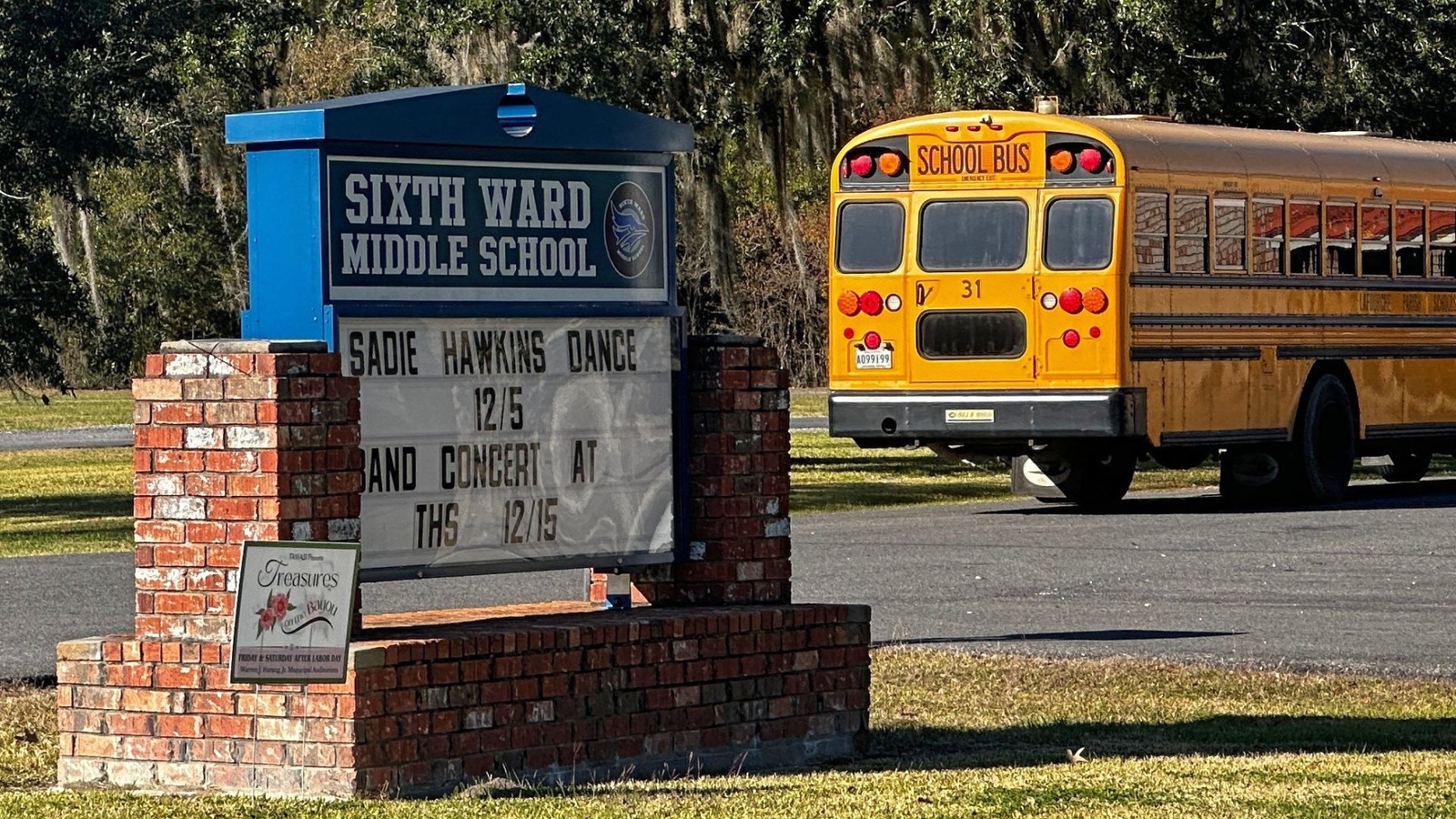
A 13-year-old girl in Louisiana was expelled after she attacked a boy who was showing AI-generated nude images of her on a school bus, amid circulating deepfake images of her and other students. The case highlights the challenges schools face in addressing AI-driven cyberbullying and harassment, with authorities charging boys involved but not the girl, who suffered emotional and educational setbacks. The incident underscores the need for better policies and awareness around AI and digital safety for children.
A 13-year-old girl in Louisiana was expelled after AI-generated nude images of her circulated among students, highlighting the dangers of deepfake technology and the lack of school preparedness for AI-related cyberbullying. Despite her efforts to seek help, she was disciplined and expelled, while the boys accused of sharing the images faced criminal charges, illustrating the complex challenges AI poses in school environments.
A 13-year-old girl in Louisiana was expelled after AI-generated nude images of her circulated among students, highlighting the dangers of deepfake technology and the lack of school preparedness for AI-related cyberbullying. Despite her efforts to report the images, she was disciplined and expelled, while the boys accused of sharing the images faced charges, illustrating the complex challenges schools face with emerging AI threats.
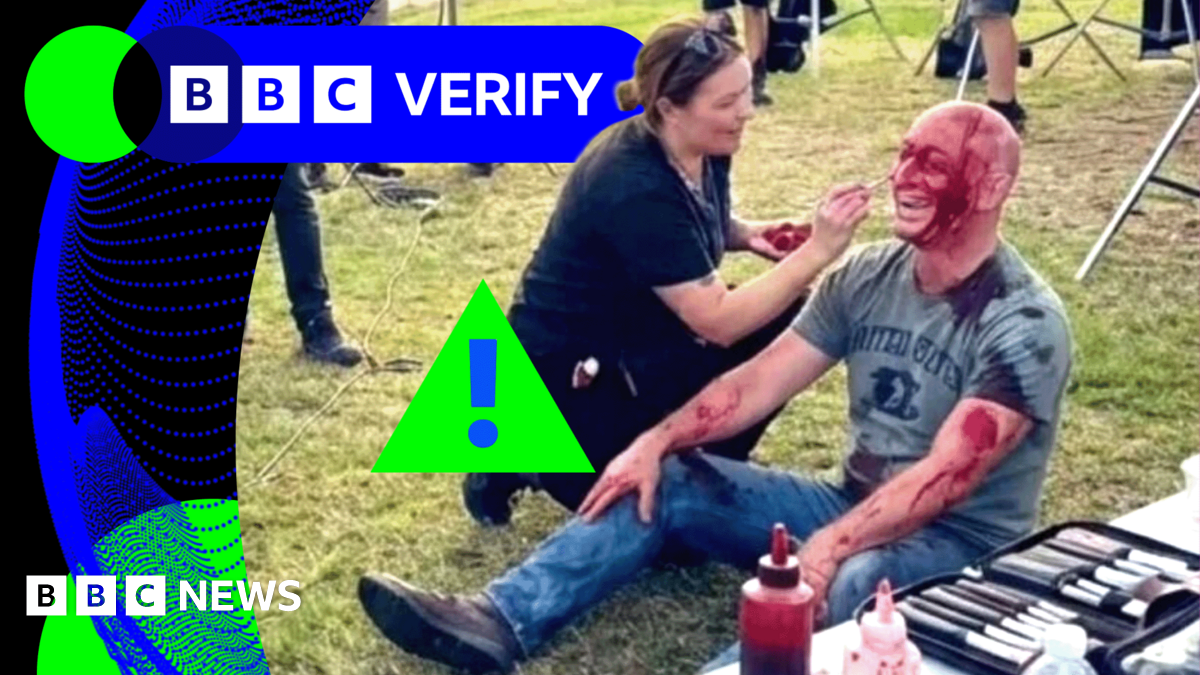
BBC Verify reports on the use of AI-generated images to spread false claims about the Bondi Beach shooting, including a fake bloodied victim photo used to suggest the attack was staged, and discusses related misinformation and recent events such as Ukraine's underwater drone attack and US fentanyl death figures.
BBC Verify analyzed the Bondi Beach shooting, highlighting the spread of misinformation including false claims about a hero, AI-generated images, and details about gun ownership in Australia, while also covering related topics like antisemitic hate crimes and disinformation campaigns.
The article discusses how celebrities like Ariana Grande are rejecting AI-generated media that exploits their likenesses, yet such images continue to circulate among fans, highlighting tensions between social norms and the internet's attention economy.
Fortnite players are protesting the use of AI-generated images in the game, advocating for support of real artists and criticizing AI's environmental impact and artistic quality, amid ongoing debates about AI disclosure in digital content.