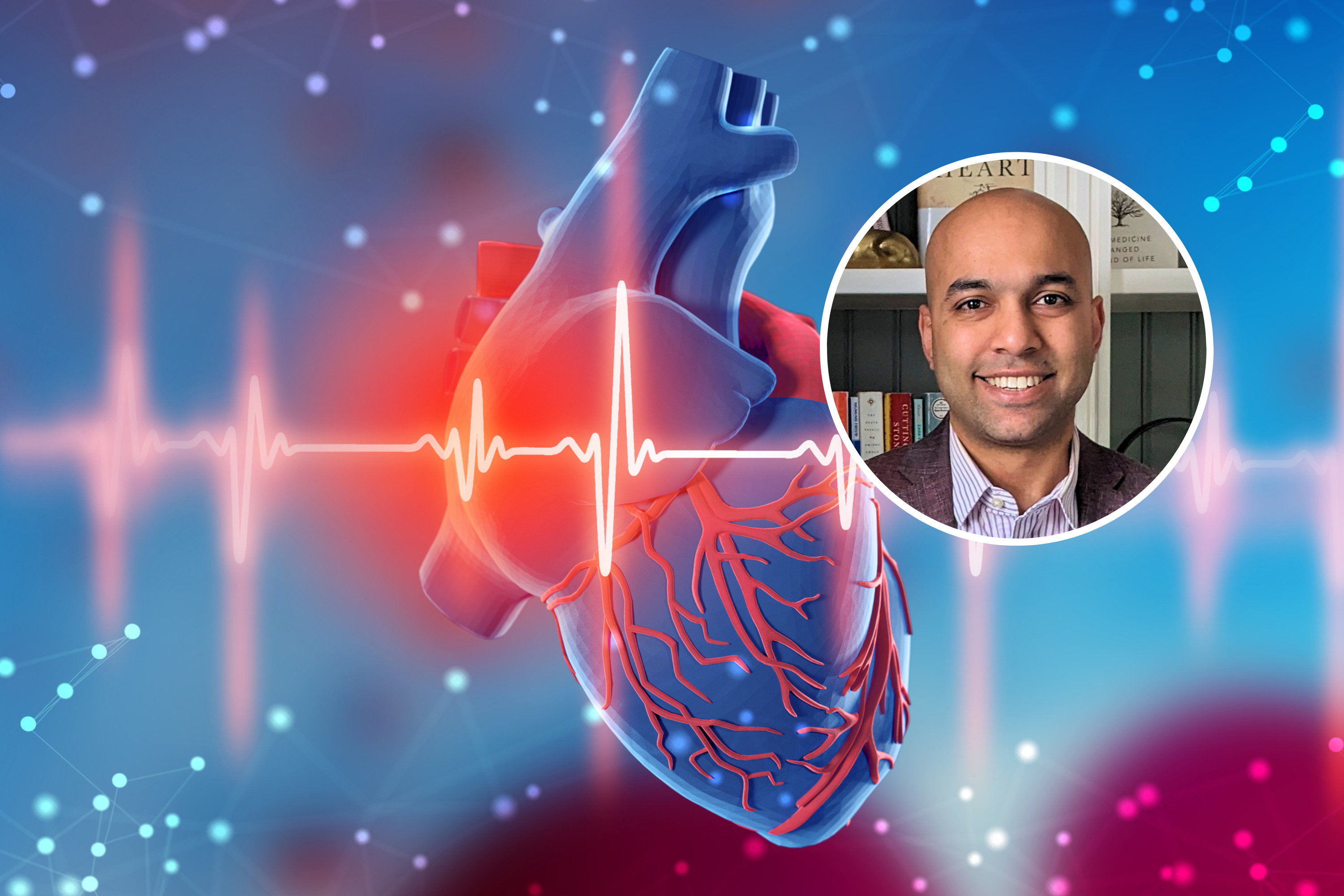
Cardiologists Debunk Cholesterol Myths as Misinformation Grows
Cardiologists are pushing back against rising online misinformation that questions the link between high LDL cholesterol and heart disease. While cardiovascular deaths have declined due to statins and smoking cessation, progress has stalled. Experts emphasize that high cholesterol is often asymptomatic, meaning individuals may feel healthy while plaque builds in arteries. Recent guidance highlights that standard lab ranges do not equal individual safety targets, and lifestyle changes alone may not suffice for high-risk patients. In India, the Cardiology Society recommends lipid screening from age 18, noting that cardiovascular disease manifests 10 to 15 years earlier in South Asian populations compared to Western groups.