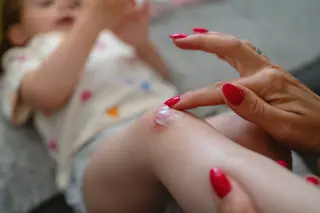
For minor cuts and scrapes, topical antibiotic ointments may not be more effective than petroleum jelly and can trigger skin allergies; proper wound care means cleaning, moisturizing and covering, with antibiotics reserved for infected wounds.
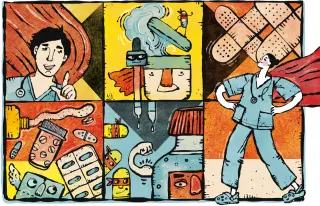
A Washington Post piece invites readers into nurses’ medicine cabinets, highlighting the items they rely on for everyday ailments, such as Vicks VapoRub, Benadryl, aloe vera gel, and a range of over-the-counter staples.
A doctor on a bicycle rescued four family members who nearly drowned after slipping into the Ruhr River during a riverside barbecue in Bochum. He pulled them to safety and provided first aid to an unconscious woman; all survived as authorities investigate the incident and issue warnings about river dangers.
Seven essential actions when you spot a stroke: use the FAST test (face, arms, speech, time), call 999 immediately, stay calm and note onset time, keep the person upright and comfortable, don’t give food/drink or medications before professionals arrive, don’t delay if symptoms pass, and don’t drive them—wait for paramedics who will take them to the right unit. Time is brain, and rapid treatment improves outcomes; resources include the Stroke Association and the stroke helpline.
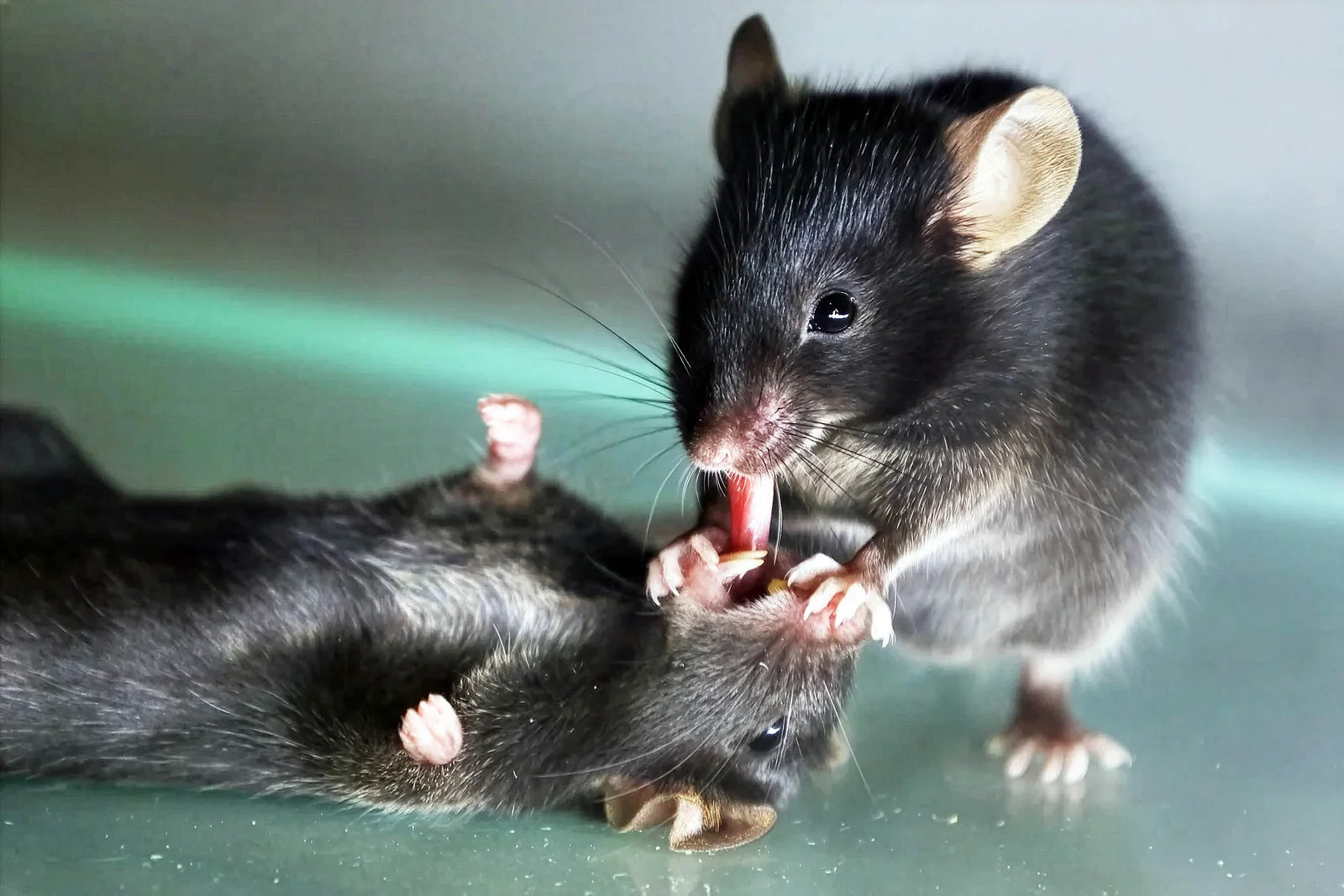
A USC-led study observed mice performing first-aid–like behaviors toward an unconscious cage-mate—sniffing, grooming, and face-directed actions—triggered by unresponsiveness and strengthened by oxytocin signaling; responses are stronger for familiar cage-mates, suggesting an innate caregiving tendency that could aid group survival, though it is not human CPR.
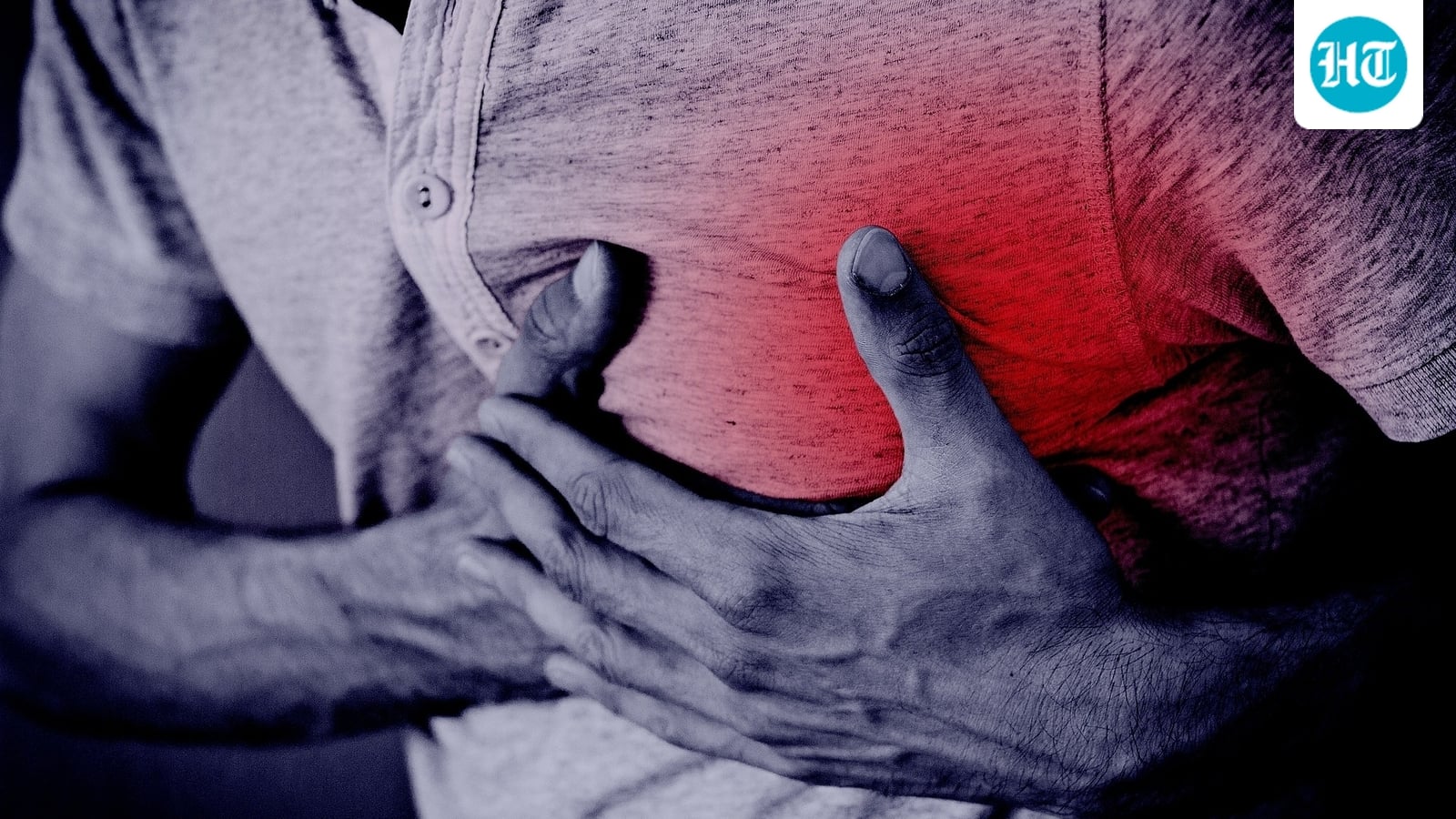
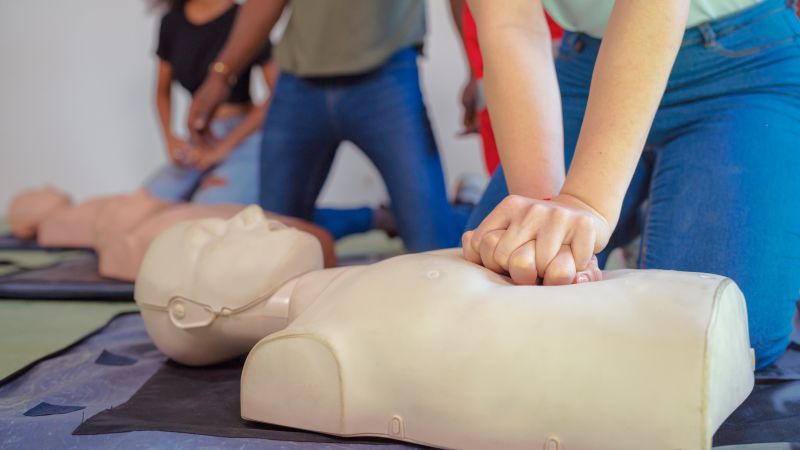
The article provides essential life-saving tips for responding to heart attacks, emphasizing the importance of recognizing symptoms quickly, calling emergency services, administering aspirin, and performing hands-only CPR while waiting for medical help, with a focus on the critical 'Golden Hour' for treatment effectiveness.
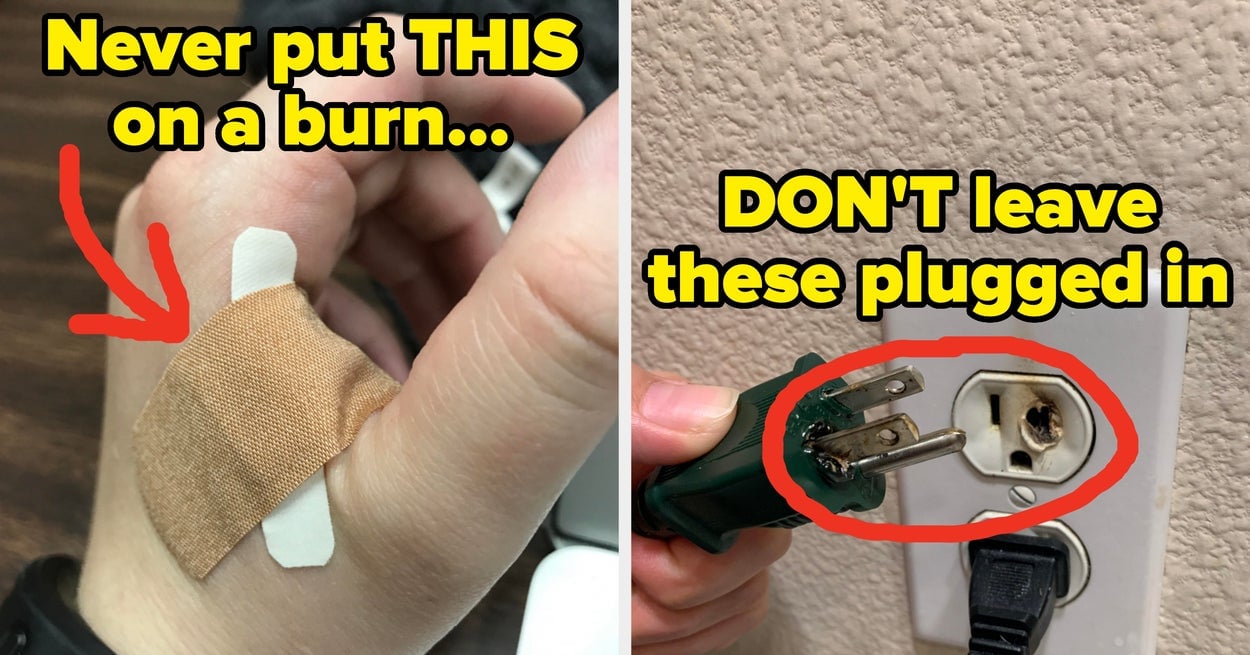
The article shares crucial safety tips from first responders, emphasizing the importance of calling an ambulance for chest pain, using tourniquets for bleeding, learning self-Heimlich, pulling over for emergency vehicles, and not removing impaled objects, among other life-saving advice to avoid common mistakes during emergencies.
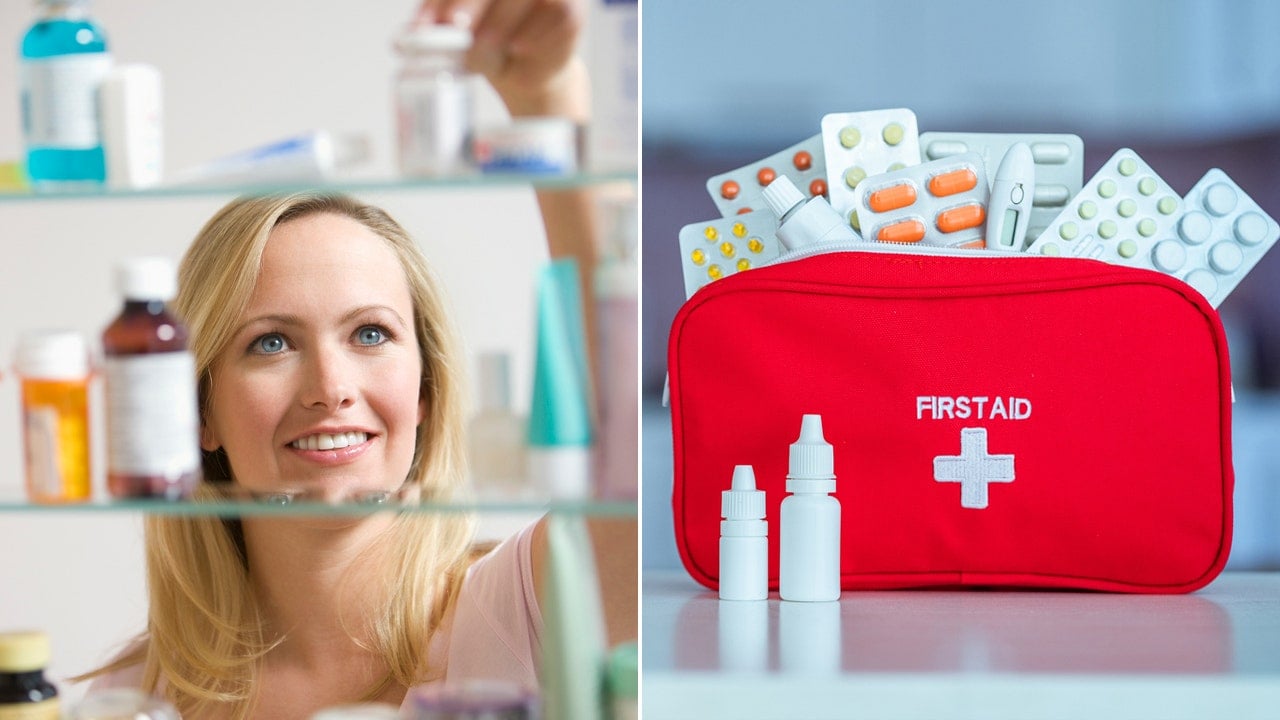
Experts recommend nine essential items for every household's medicine cabinet, including pain relievers, allergy medications, cold and flu treatments, digestive aids, topical treatments, first aid supplies, sun safety products, neti-pots or saline rinses, and eyedrops. Proper storage and regular checks for expired medications are crucial for maintaining their effectiveness and safety.
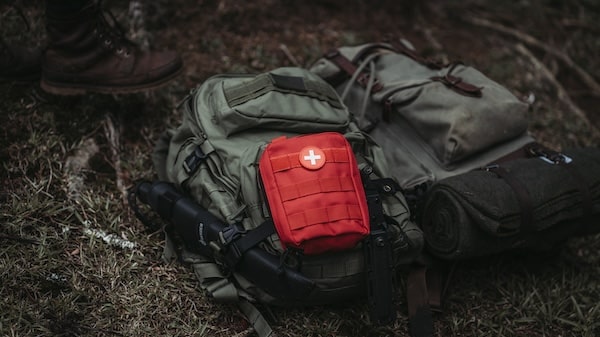
Dr. Joe Alton, a retired surgeon and co-author of The Survival Medicine Handbook, discusses the importance of being prepared to provide medical assistance in grid-down, long-term disaster situations where professional help may not be available. He emphasizes the need for families to have medical assets and outlines various levels of first aid kits, from individual to community field hospitals. Topics covered include skills for handling medical emergencies, such as wound closure, dental care, and protection from radiation, in the absence of traditional medical resources.
A hospice nurse from Wichita, Jessica Dean, rushed to help a man bleeding from gunshot injuries at the Kansas City Chiefs’ Super Bowl rally, only to later discover that the man she helped save was one of the suspects, 23-year-old Lyndell Mays, now facing charges related to the shooting. Despite the revelation, Dean expressed that she would still help him again if given the chance, emphasizing her commitment to aiding those in need.
Seizures can be caused by epilepsy or other factors, and recognizing and responding to them is crucial. Seizures can vary in appearance, from subtle internal sensations to full-body convulsions with loss of consciousness. If you witness a seizure, keep the person safe, turn them on their side, and do not put anything in their mouth. Call 911 if the seizure lasts more than five minutes, if they have difficulty breathing, or if it's their first seizure. People with epilepsy may have emergency medications, and bystanders should be aware of other medical issues that could cause unresponsiveness.
YouTube will now promote step-by-step first aid videos made by hospitals and trustworthy health organizations at the top of search results for acute health emergencies including bleeding, choking, heart attacks, seizures, and opioid overdoses. The new feature, known as First Aid Information Shelves, aims to provide critical life-saving knowledge and limit the spread of health misinformation, with videos created by Mass General Brigham, the Mexican Red Cross, and the American Heart Association. This move could make YouTube a more reliable tool in a medical emergency, and many of the videos are available in English and Spanish, with support for other languages planned for the future.
YouTube has introduced a feature called First Aid Information Shelves, offering step-by-step videos from accredited health organizations like Mass General Brigham to help people handle emergencies such as drug overdoses and heart attacks. The videos, which will not contain ads, aim to provide concise and timely information, and will be pinned to the top of relevant search results. YouTube plans to expand the topics, countries, and languages covered, and will work with partners to ensure the accuracy and relevance of the content. This initiative is part of YouTube's ongoing efforts to combat medical misinformation and provide credible health information to its users.
YouTube has partnered with medical organizations to display credible first-aid explainer videos at the top of search results for health emergencies like heart attacks, CPR, and more. The platform aims to provide timely advice and promote trustworthy health information, following its crackdown on medical misinformation last year. The videos will be available in English and Spanish in the United States, with plans to expand to more languages and countries in the future.
A 5-year-old girl in Florida accidentally shot herself in the leg after finding a shotgun hidden under a bed. Deputies quickly administered first aid and a tourniquet, likely saving her life. The girl was transported to the hospital, where medical staff praised the quick response. No arrests have been made, and authorities are reviewing the case to determine if formal charges will be pursued.