Tag

Microbial Contamination

All articles tagged with #microbial contamination

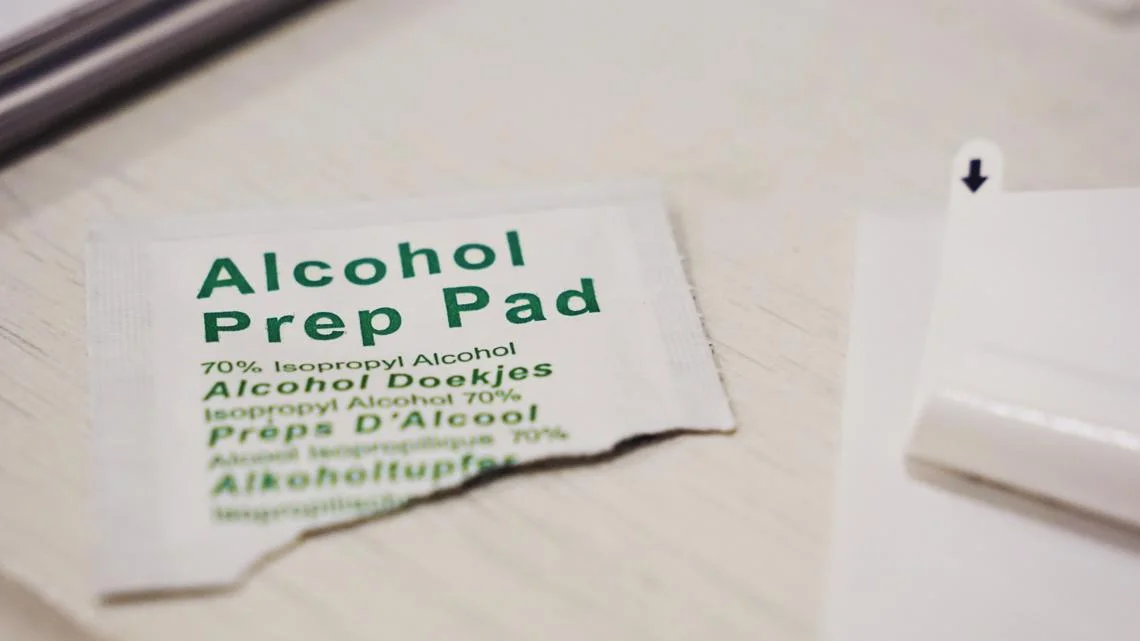
Nationwide recall issued for alcohol prep pads over potential bacterial contamination
health20 days ago

Nationwide recall issued for alcohol prep pads over potential bacterial contamination

The FDA warns that Cardinal Health’s Webcol Large Alcohol Prep Pads (70% isopropyl alcohol) may be contaminated with Paenibacillus phoenicis, posing infection risks to immunocompromised patients. A voluntary recall covers pads distributed in the U.S., Puerto Rico, and Japan from Sep 2025 to Feb 2026. Recipients should review inventory, quarantine affected stock, share Cardinal Health’s notice with relevant departments and customers, and return acknowledgment forms. For questions, contact Cardinal Health at [email protected] or 800-292-9332 (8am–5pm EST).

Martian regolith may block Earth microbes, tardigrades reveal through soil tests
space1 month ago

Martian regolith may block Earth microbes, tardigrades reveal through soil tests

Researchers exposed tardigrades to two Martian regolith simulants (MGS-1 and OUCM-1). MGS-1 caused notable stress and rapid dormancy, while OUCM-1 was less harmful. Washing the simulant reduced toxicity, indicating a water-soluble component—likely salts—drives the harm. The results suggest Mars’ soil chemistry could help prevent Earth microbes from contaminating the planet (a planetary-protection bonus), while also implying that treating regolith could eventually support plant growth on Mars.

Mars soil may defend against Earth microbes while enabling future farming
space-exploration1 month ago

Mars soil may defend against Earth microbes while enabling future farming

Space-biologist researchers exposed tardigrades to Mars-regolith simulants (MGS-1 and OUCM-1). In MGS-1, tardigrades entered dormancy within two days, suggesting a toxic component that could be washed away—washing improved tardigrade resilience and made regolith more hospitable for growth, while OUCM-1 remained inhibitory but less so. The work implies Mars’ soil may defend against Earth microbes, aiding planetary protection, and that washed regolith could potentially be turned into crop‑soil for future missions. The findings were published in December 2025 in the International Journal of Astrobiology.

Study Warns Reusable Water Bottles Harbor Harmful Bacteria
health7 months ago

Study Warns Reusable Water Bottles Harbor Harmful Bacteria

A study warns that reusable water bottles can harbor harmful bacteria, including fecal matter, especially if not cleaned properly. The research highlights the importance of thorough cleaning, including scrubbing all parts and drying completely, to prevent bacterial growth and potential health risks. Regular maintenance and avoiding sharing bottles are recommended to keep hydration safe and hygienic.

Can Air Conditioning Cause Illness? A Microbiologist's Perspective
health8 months ago

Can Air Conditioning Cause Illness? A Microbiologist's Perspective

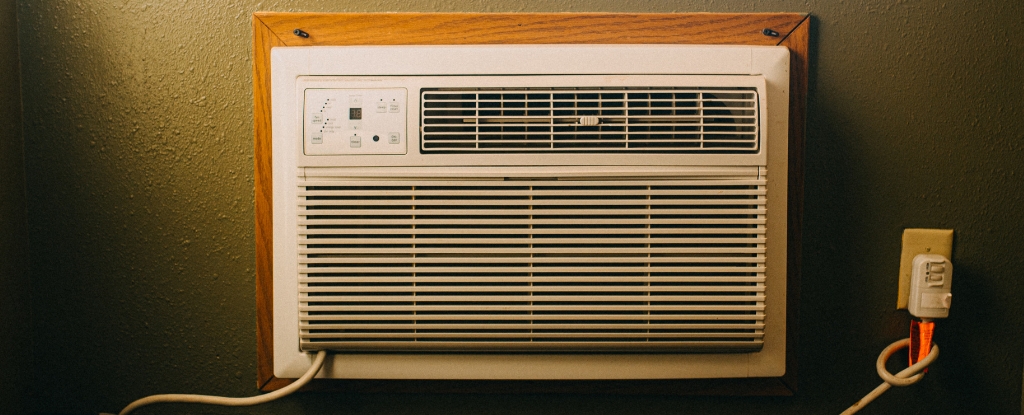
Improperly maintained air conditioning systems can harbor bacteria, fungi, and viruses, leading to health issues like sick building syndrome, Legionnaires' disease, and fungal or viral infections. Regular cleaning and proper maintenance of AC units are essential to reduce these risks and prevent the spread of airborne infections, including COVID.

Church & Dwight Recalls Zicam and Orajel Baby Teething Swabs Over Contamination
health10 months ago

Church & Dwight Recalls Zicam and Orajel Baby Teething Swabs Over Contamination

Church & Dwight Co. is voluntarily recalling all lots of Zicam® Cold Remedy Nasal Swabs, Zicam® Nasal AllClear Swabs, and Orajel™ Baby Teething Swabs due to potential microbial contamination with fungi, which could pose serious health risks, especially to vulnerable populations. Consumers are advised to stop using the products and contact the company for refunds.

"Robitussin Recalls Cough Syrups for Contamination: What You Need to Know"
health-safety2 years ago

"Robitussin Recalls Cough Syrups for Contamination: What You Need to Know"

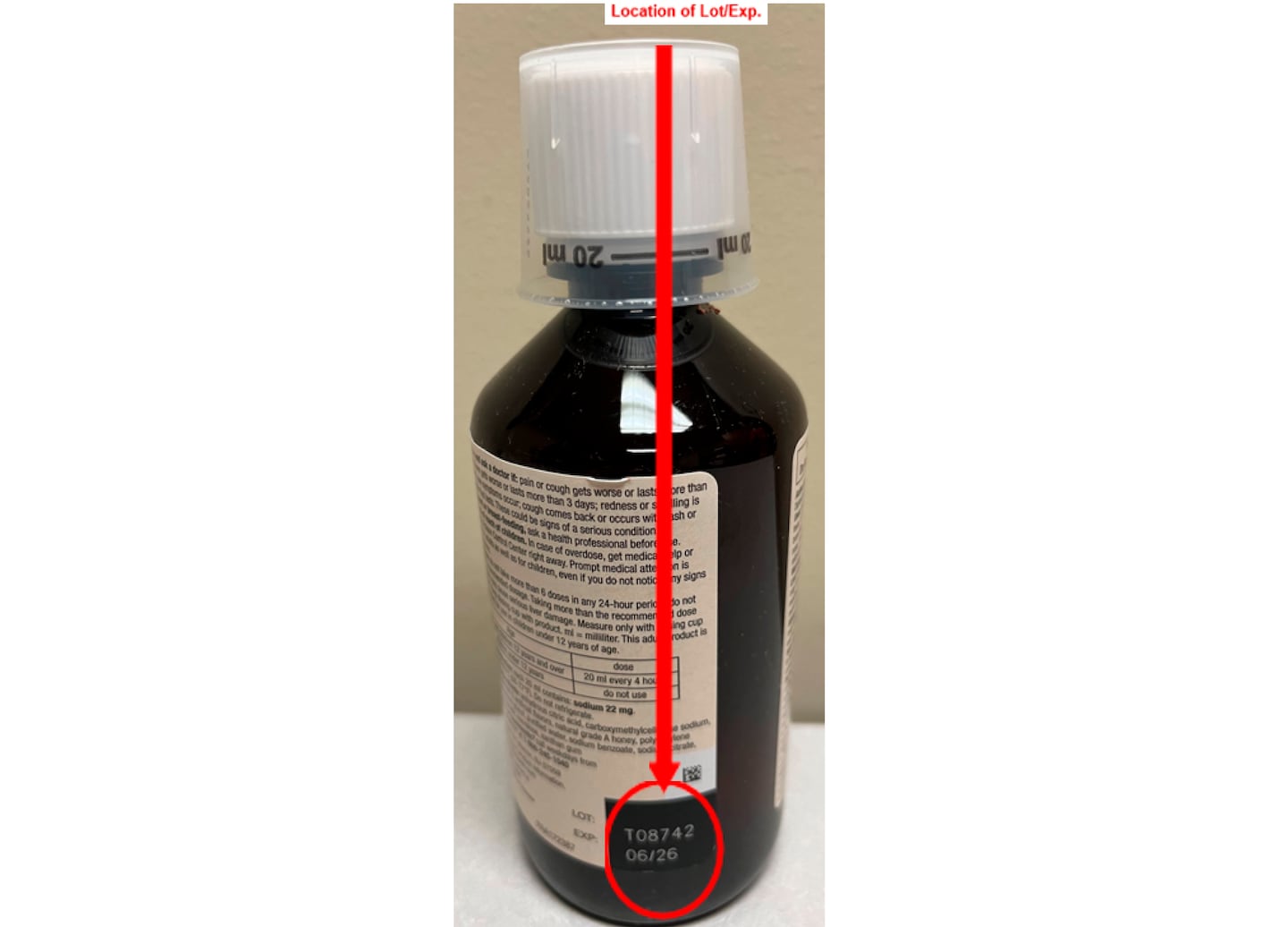
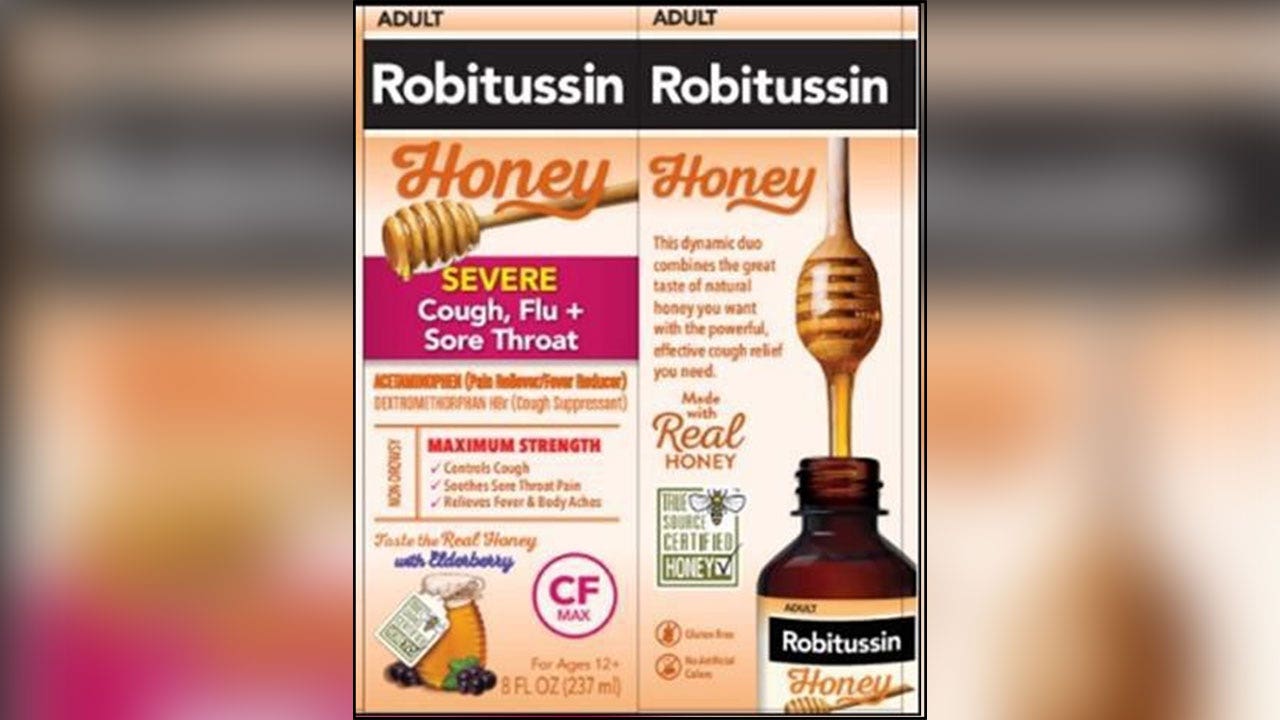
Several lots of Robitussin Honey CF Max cough syrup have been recalled due to microbial contamination, with expiration dates from October 2025 to June 2026 and specific lot numbers. The contamination, identified as elevated levels of yeast, poses a risk to immunocompromised individuals, potentially leading to severe complications. Consumers are advised to stop using the product and contact their physician if they experience any related problems. Alternative remedies for cough relief include hydration and hot beverages, as some doctors note a particularly severe winter respiratory virus season.

"Robitussin Recalled Nationwide for Microbial Contamination"
health2 years ago

"Robitussin Recalled Nationwide for Microbial Contamination"

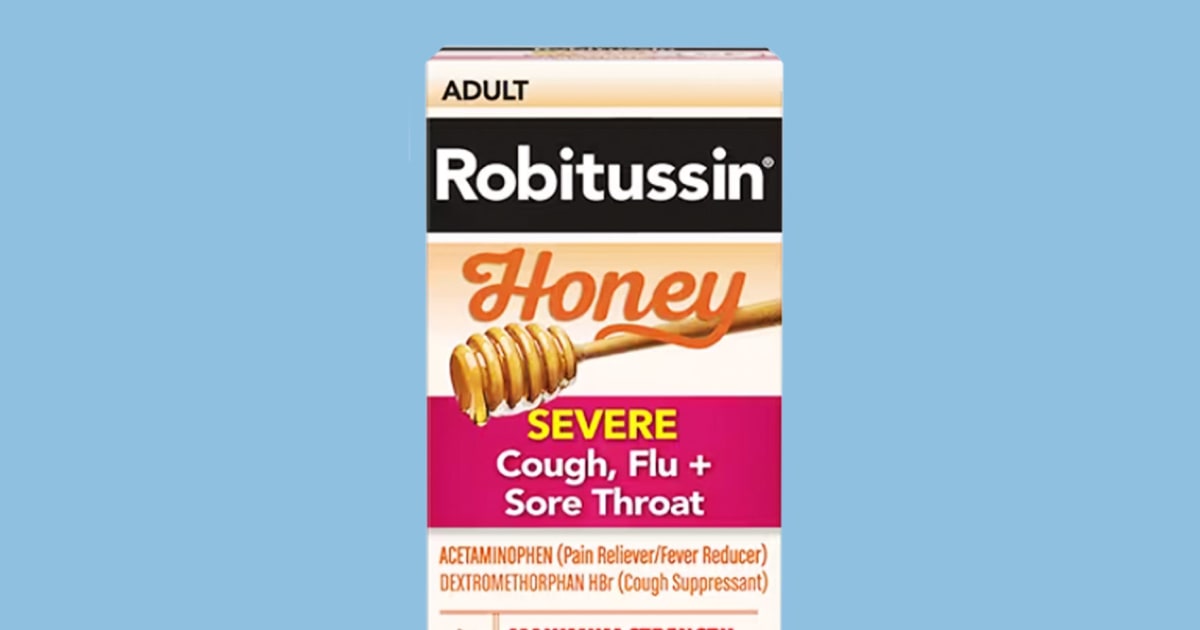
Haleon has issued a voluntary recall of two Robitussin cough medicines, Robitussin Honey CF Max Day Adult and Robitussin Honey CF Max Nighttime Adult, due to microbial contamination. The company warned that the use of the affected product could potentially result in severe or life-threatening adverse events, especially in immunocompromised individuals. The recall, involving eight lots of the medicine, is being conducted with the knowledge of the U.S. Food and Drug Administration, and customers are advised to return the recalled products.

"Robitussin Recalls Cough Syrups Nationwide for Microbial Contamination"
health2 years ago

"Robitussin Recalls Cough Syrups Nationwide for Microbial Contamination"

Haleon, the maker of Robitussin cough syrup, has announced a recall of certain products due to "microbial contamination," which could pose severe health risks to immunocompromised individuals. The recall affects specific lots of Robitussin Honey CF Max Day Adult and Robitussin Honey CF Max Nighttime Adult. The company is advising consumers to stop using the affected products and has provided instructions for their return. Anyone experiencing health issues related to the recalled cough syrups is urged to contact their healthcare provider and report to the FDA's MedWatch Adverse Event Reporting program.

Nationwide Recall of Robitussin Cough Syrups for Contamination
health2 years ago

Nationwide Recall of Robitussin Cough Syrups for Contamination

Haleon is recalling eight lots of Robitussin cough syrup nationwide due to microbial contamination, which could result in severe or life-threatening adverse events in immunocompromised individuals. The recall covers specific lots of Robitussin Honey CF Max Day and Nighttime products, and consumers are advised to stop using the affected products and contact their healthcare provider if they have experienced any related problems. No adverse events related to the recall have been reported to date, and consumers with questions can contact Haleon for further information.

Nationwide Recall of Robitussin Cough Syrups for Contamination
health2 years ago

Nationwide Recall of Robitussin Cough Syrups for Contamination

Haleon is recalling eight lots of Robitussin cough syrup nationwide due to microbial contamination, which could potentially result in severe or life-threatening adverse events in immunocompromised individuals. The recall covers specific lots of Robitussin Honey CF Max Day and Nighttime products, and consumers are advised to stop using the affected product immediately and contact their healthcare provider if they have experienced any related problems. No adverse events related to the recall have been reported to date, and consumers with questions can contact Haleon for more information.

"Robitussin Recalls Nationwide Over Microbial Contamination"
health2 years ago

"Robitussin Recalls Nationwide Over Microbial Contamination"

Haleon has issued a voluntary nationwide recall of eight lots of Robitussin Honey CF Max Day Adult and Robitussin Honey CF Max Nighttime Adult due to microbial contamination, which could potentially result in severe or life-threatening adverse events in immunocompromised individuals. The recall covers specific lot numbers and expiry dates, and consumers are advised to stop consumption immediately and contact the company for instructions on returning the products. Adverse reactions or quality problems should be reported to the FDA's MedWatch Adverse Event Reporting program.