Tag

Microchimerism

All articles tagged with #microchimerism

"The Science of Pregnancy: How Microchimerism Alters Cells"
science2 years ago

"The Science of Pregnancy: How Microchimerism Alters Cells"

Science has confirmed the existence of microchimerism, where fetal cells from pregnancy remain in a mother's body indefinitely, providing comfort to women who have experienced pregnancy loss. This phenomenon, which occurs as early as six days after conception, has been found to have a profound impact on maternal health and emotional well-being, with mothers feeling a lasting connection to their children. The concept of carrying a part of their lost pregnancies has brought solace to many women, reshaping their understanding of motherhood and the enduring bond with their children.

The Science Behind Babies Leaving Souvenirs in Their Parents' Bodies.
health2 years ago

The Science Behind Babies Leaving Souvenirs in Their Parents' Bodies.

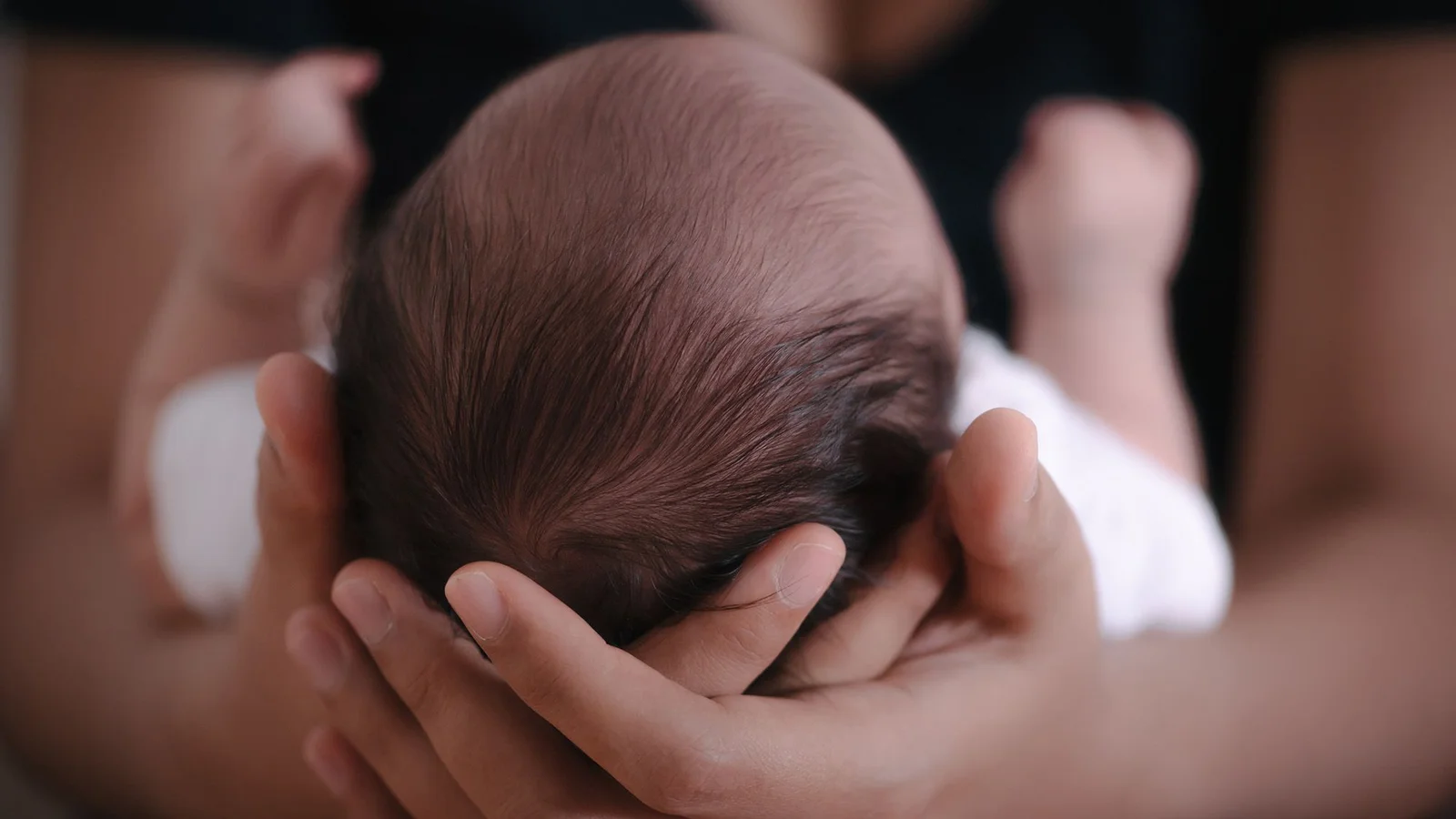
Microchimerism is the exchange of cells and genetic material between a baby and its pregnant parent, which can remain in the parent's body for years after birth. While the purpose of these cells is not entirely clear, some studies suggest they may have healing properties and could explain why women who have been pregnant have a lowered risk of breast cancer. The process of microchimerism is bringing comfort to parents who have experienced baby loss, as it means their baby's cells are still present in their body.

The Science Behind Babies Leaving Souvenirs in Their Parents' Bodies.
health2 years ago

The Science Behind Babies Leaving Souvenirs in Their Parents' Bodies.

Microchimerism is the exchange of cells and genetic material between a baby and its pregnant parent, which can remain in the parent's body for years after birth. While the purpose of these cells is not entirely clear, some studies suggest they may have healing properties and could explain why women who have been pregnant have a lowered risk of breast cancer. The process of microchimerism is bringing comfort to parents who have experienced baby loss, as it allows them to know that their baby's cells are still with them.