The rise of online trends has prompted psychiatrists to scrutinize conditions like maladaptive daydreaming and misophonia, potentially leading to updates in the Diagnostic and Statistical Manual of Mental Disorders.
A new pre-print study from Yale University School of Medicine suggests misophonia may have genetic and environmental components, as it frequently co-occurs with anxiety, ADHD, and OCD in families. While not a definitive cause, the data supports further DNA sequencing to identify biological pathways.
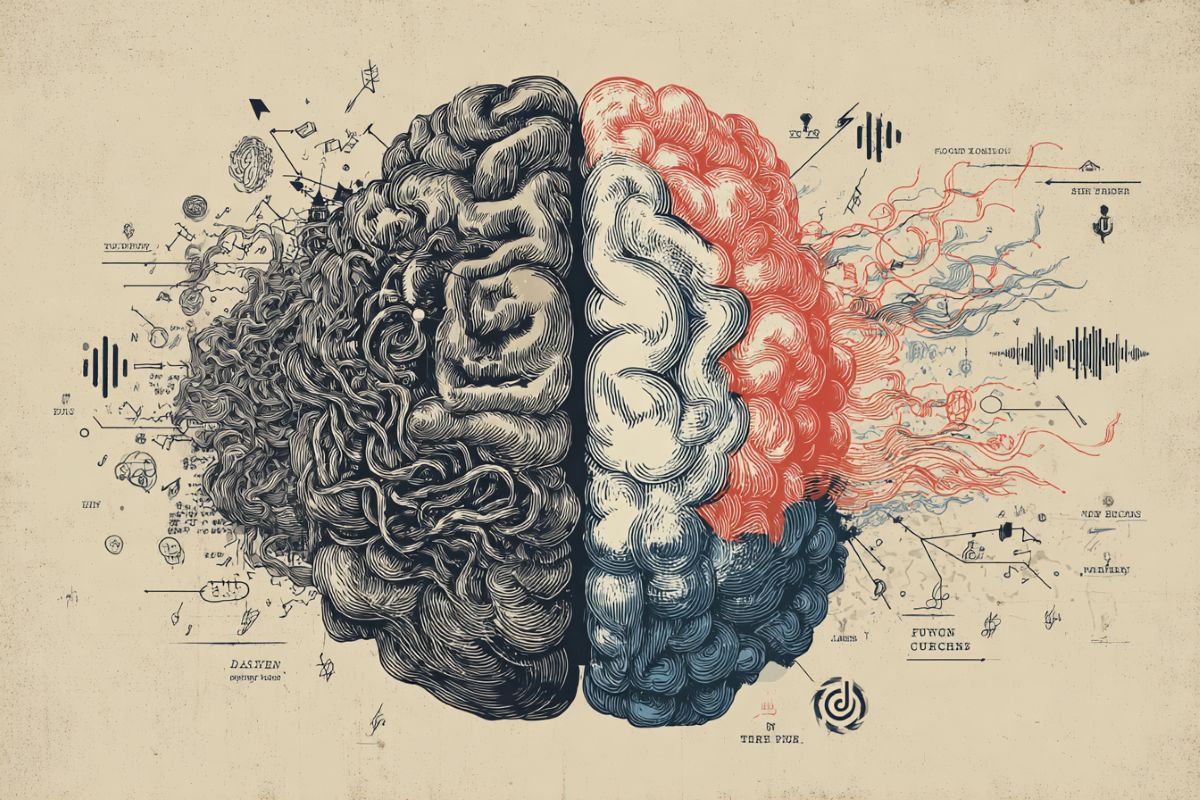
A large resting-state fMRI study links misophonia to activity in the anterior insula and the brain's salience network, with severity correlating to how these regions synchronize with auditory and motor areas, supporting a spectrum view rather than a binary condition. The research used 162 brain scans plus a 777-person survey to estimate misophonia prevalence and severity, and found brain patterns distinct from anxiety, depression, or autism, though the imaging data did not directly test misophonia in participants. Future work should validate brain activity in people with confirmed misophonia and employ other neuroimaging methods.
A Dutch-led study links misophonia to shared genetic risk factors for psychiatric disorders such as anxiety, depression, and PTSD, using data from major genetic databases. Self-identified misophonia correlated with genes tied to psychiatric traits and tinnitus, with some overlap with PTSD genetics, hinting at shared biology and possible PTSD‑inspired therapies, though findings come from self-reported data in mostly European samples and need broader validation; ASD showed less association.
A nationally representative U.S. study of 185 misophonia cases and 1,644 controls finds misophonia associated with markedly higher rates of mental-health and auditory-sensory disorders: current anxiety (53% vs 8%), current depression (42% vs 6%), lifetime depression (49% vs 11%), lifetime anxiety (47% vs 10%), PTSD (29% vs 3%), tinnitus (44% vs 23%), hyperacusis (42% vs 2%), and hearing loss (30% vs 26%), with 65% having at least one other diagnosed disorder. Some conditions (e.g., autism spectrum disorders) were not elevated after demographic adjustment; results rely on self-reports and may reflect shared underlying mechanisms rather than a standalone diagnosis.
The article discusses how individuals with misophonia, a condition causing intense discomfort from certain sounds, find Christmas challenging due to noisy family interactions. It highlights personal stories and offers coping techniques like visualization, turning sounds into a game, and creating narratives to manage the emotional response during festive gatherings.
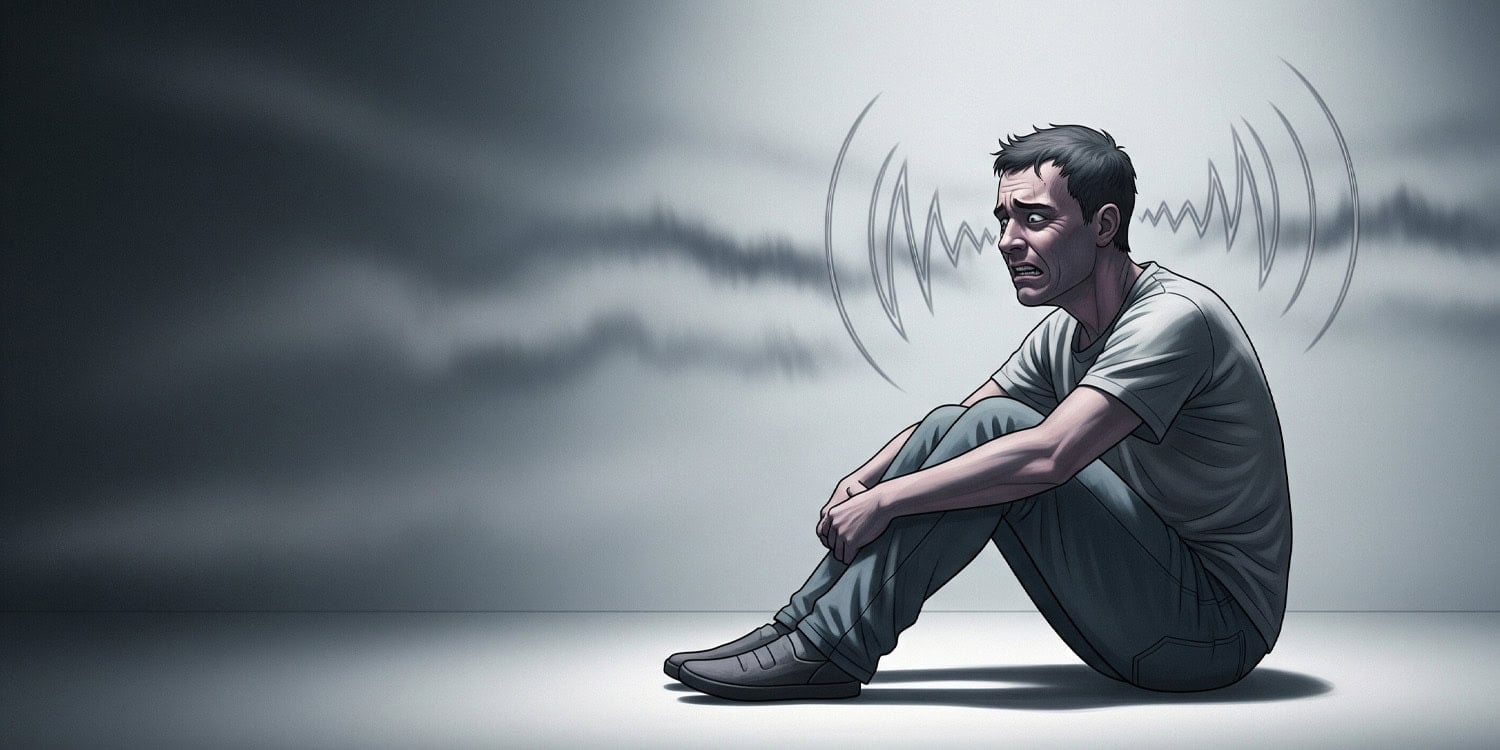
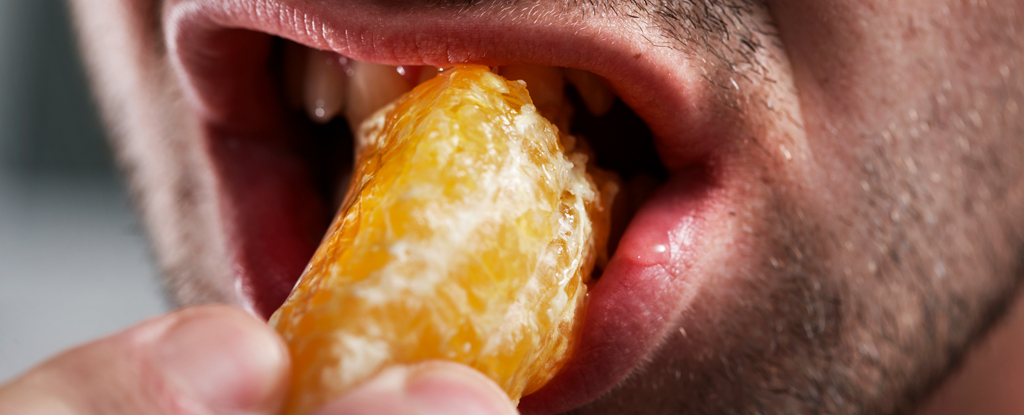
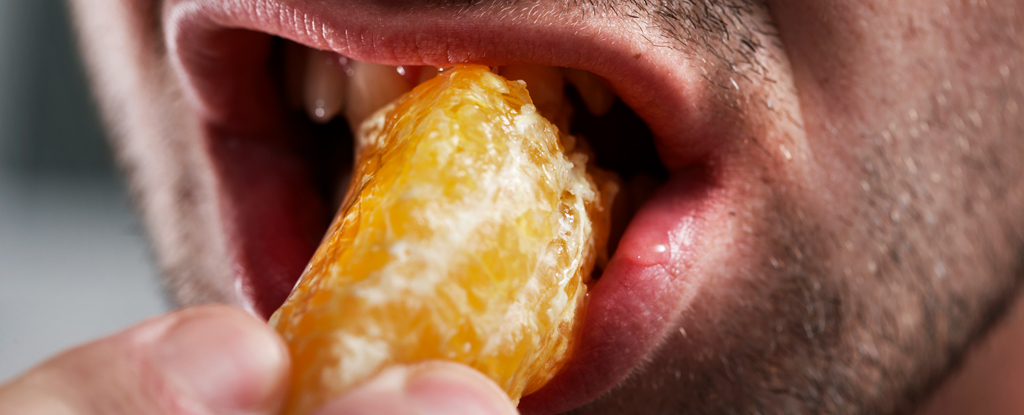
The article discusses misophonia, a condition where individuals experience intense emotional reactions to specific sounds like loud chewing, highlighting the challenges faced by sufferers and the need for greater awareness and understanding.
A new study suggests that misophonia, traditionally viewed as a sensory condition, is also linked to cognitive and emotional inflexibility, with significant associations to rumination, indicating it involves deeper issues of emotion regulation and executive function.
A study in the British Journal of Psychology suggests that misophonia reflects broader psychological and cognitive traits, including difficulties with emotional and affective flexibility, increased rumination, and psychological rigidity, indicating it may be a complex disorder beyond just sensitivity to specific sounds.
A 2023 study found that misophonia shares genetic links with mood disorders such as anxiety, depression, PTSD, and tinnitus, suggesting potential common neurobiological pathways and implications for treatment, although further research is needed due to limitations in data sources and population diversity.
Misokinesia is a condition characterized by an intense aversion to seeing others fidget, causing feelings of anger, anxiety, or distress. Often linked with misophonia, which is a dislike of certain sounds, misokinesia can significantly impact daily life. Research suggests it may be more common than previously thought, with some studies indicating that up to one-third of people might be affected. Coping strategies include avoiding triggers and using reframing therapy, though many sufferers feel embarrassed or ashamed of their reactions.
A recent UK survey suggests that misophonia, a condition characterized by intense reactions to common sounds such as chewing and breathing, may be more prevalent than previously thought, affecting 18.4% of the UK population. The study revealed that individuals with misophonia experience feelings of anger, panic, and helplessness when exposed to trigger sounds, leading to distress and interference with everyday life. Despite its prevalence, the majority of those affected were unaware of the term "misophonia," highlighting the need for increased awareness and support for individuals experiencing these intense reactions to everyday sounds.
Misophonia is a condition where certain sounds trigger a negative emotional reaction, causing distress and impairment in day-to-day functioning. Avoiding the triggering sound is not an effective strategy, and instead, coping mechanisms focus on reframing the sound to make it less emotionally impactful or participating in meaningful activities despite the presence of triggering sounds. Cognitive behavioral therapy may also be helpful, although research on its effectiveness is limited.
A new survey from the UK suggests that 18.4% of people suffer from misophonia, a sensitivity to certain trigger sounds that can range from mild irritation to distress that interferes with everyday life. Trigger sounds include things such as chewing, slurping, snoring, and breathing. People with misophonia were more likely to be bothered by sounds like normal breathing and swallowing, whereas these didn't prompt any reaction in the general population. The researchers' new survey may be a useful tool to help other clinicians identify those troubled by the condition.
A study published in PLOS ONE found that up to 18% of the UK general population may have misophonia, a decreased tolerance to certain sounds such as chewing or sniffing. The study surveyed 768 people and found that 18% of the sample appeared to have significant symptoms of misophonia, which can include feeling trapped or helpless around these sounds, as well as blaming yourself for the strong reactions and missing out on things because of the impact of sounds. The authors suggest their survey tool may be useful to clinicians working in the misophonia field.