Russia’s government moved to seize Nestlé’s assets in Russia, placing them under state control as part of a broader nationalization push against private firms, with Auchan affected as well; Nestlé says it is evaluating options while promising to protect employees and maintain operations where possible.
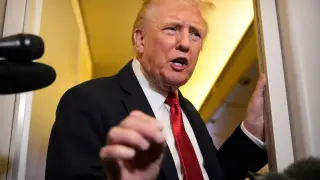
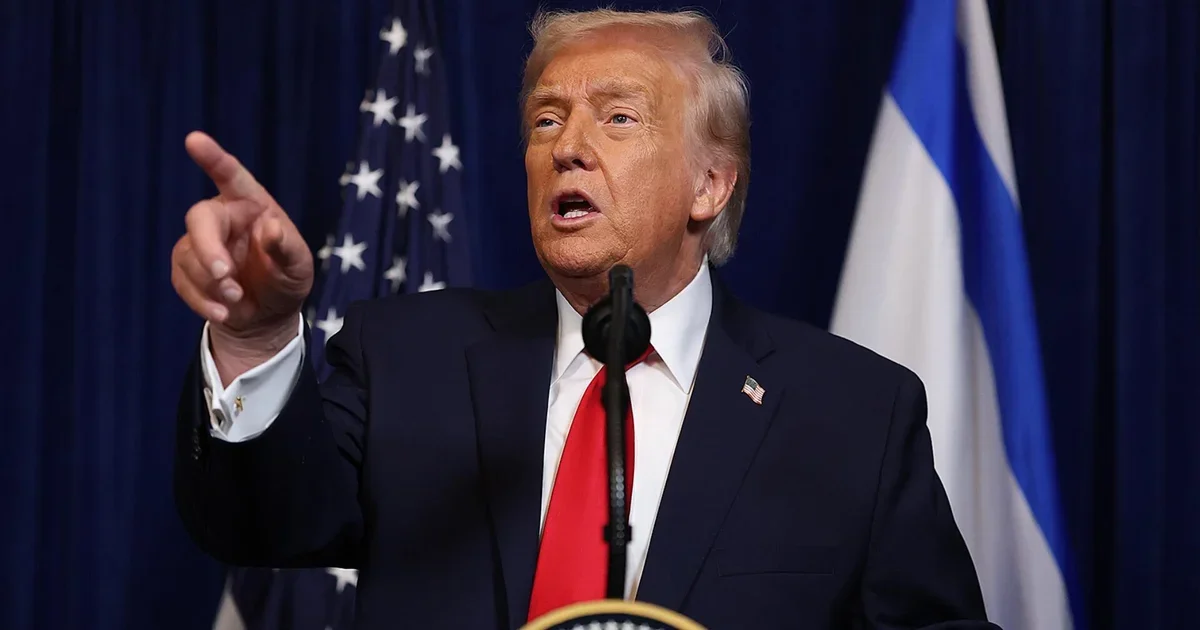
President Trump announced he would meet with major AI firms to discuss the government taking equity stakes in their companies, a plan that blindsided executives from OpenAI and others and would mark a dramatic shift in policy with significant regulatory and financial implications. Details were not provided, the White House said it is engaging with industry, and the idea has sparked debate over potential risks and benefits of government ownership in AI development.
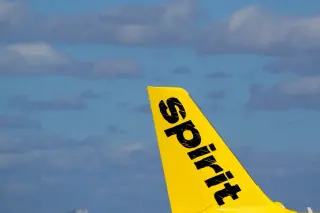
President Donald Trump is considering a government-backed purchase of Spirit Airlines with the aim of selling the carrier later, according to AP News. The plan would involve using taxpayer funds to acquire Spirit and then divest it, though details and authorization are not finalized.
ISW reports Putin privately pressed Russia’s top businessmen to fund the state to stabilize finances for continuing the war, with hints of asset nationalization; Kremlin officials deny a direct fundraising request and say it was a personal decision, while attendees felt a sense of duty. Separately, Ukraine and Saudi Arabia signed a defense cooperation pact; Ukrainian strikes hit Russian oil infrastructure near the Baltic Sea; Latvia warned of Russian cognitive warfare against the Baltic states. On the battlefield, no confirmed ground advances were reported on March 27, as Russia and Ukraine continued long-range strikes and Russia conducted a large drone campaign (about 102 drones launched, roughly 93 downed).
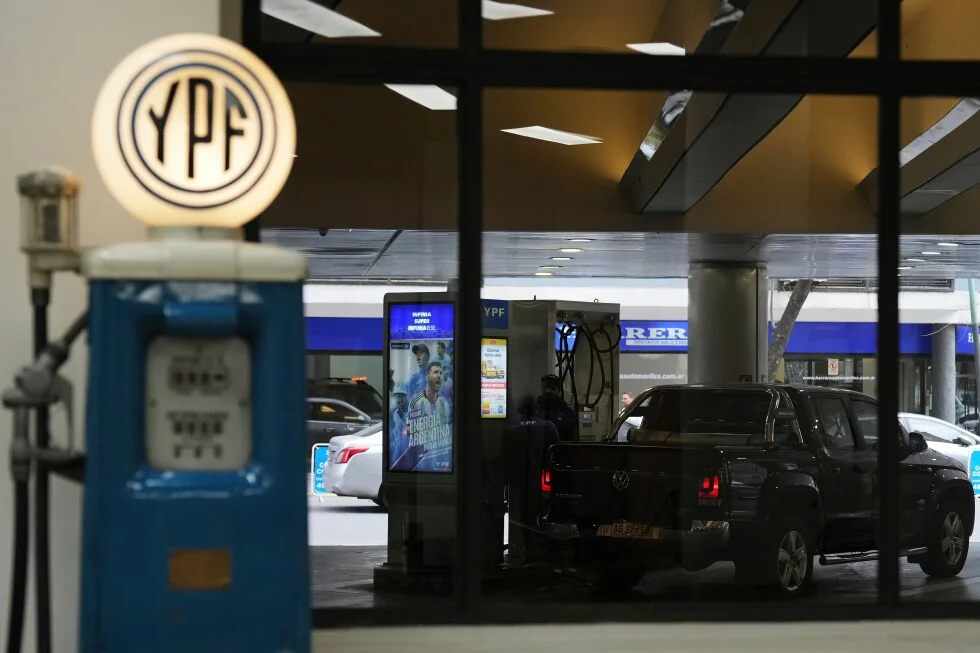
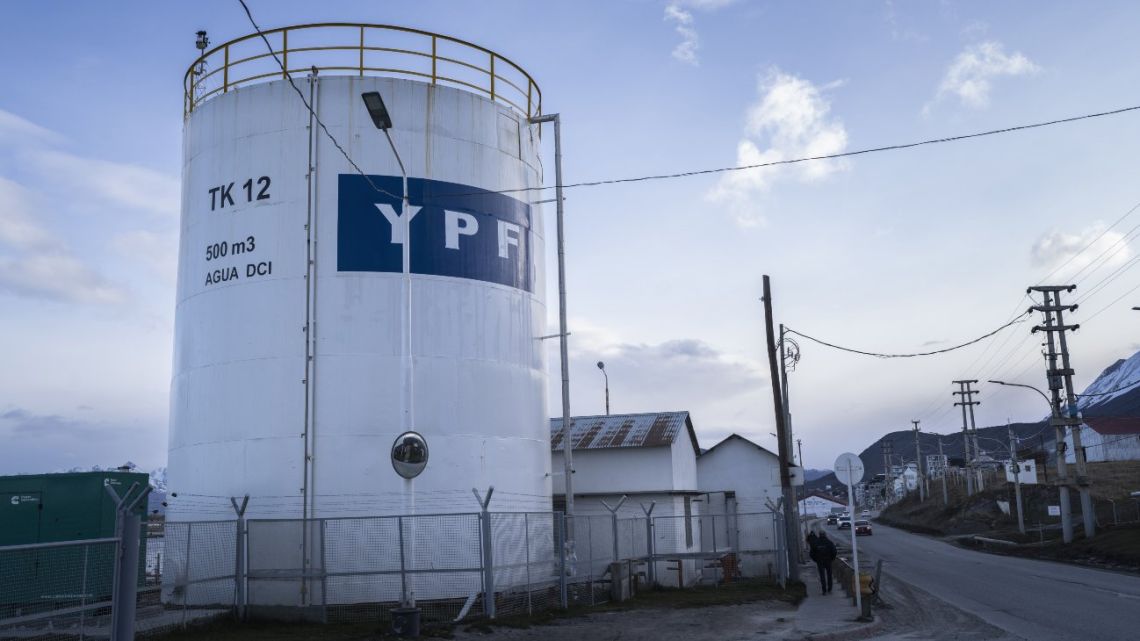
A U.S. appeals court overturned a $16 billion judgment against Argentina over the 2012 nationalization of state-controlled energy company YPF, a ruling celebrated by President Javier Milei.
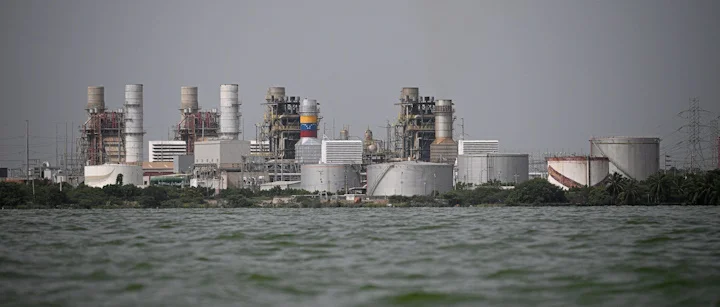
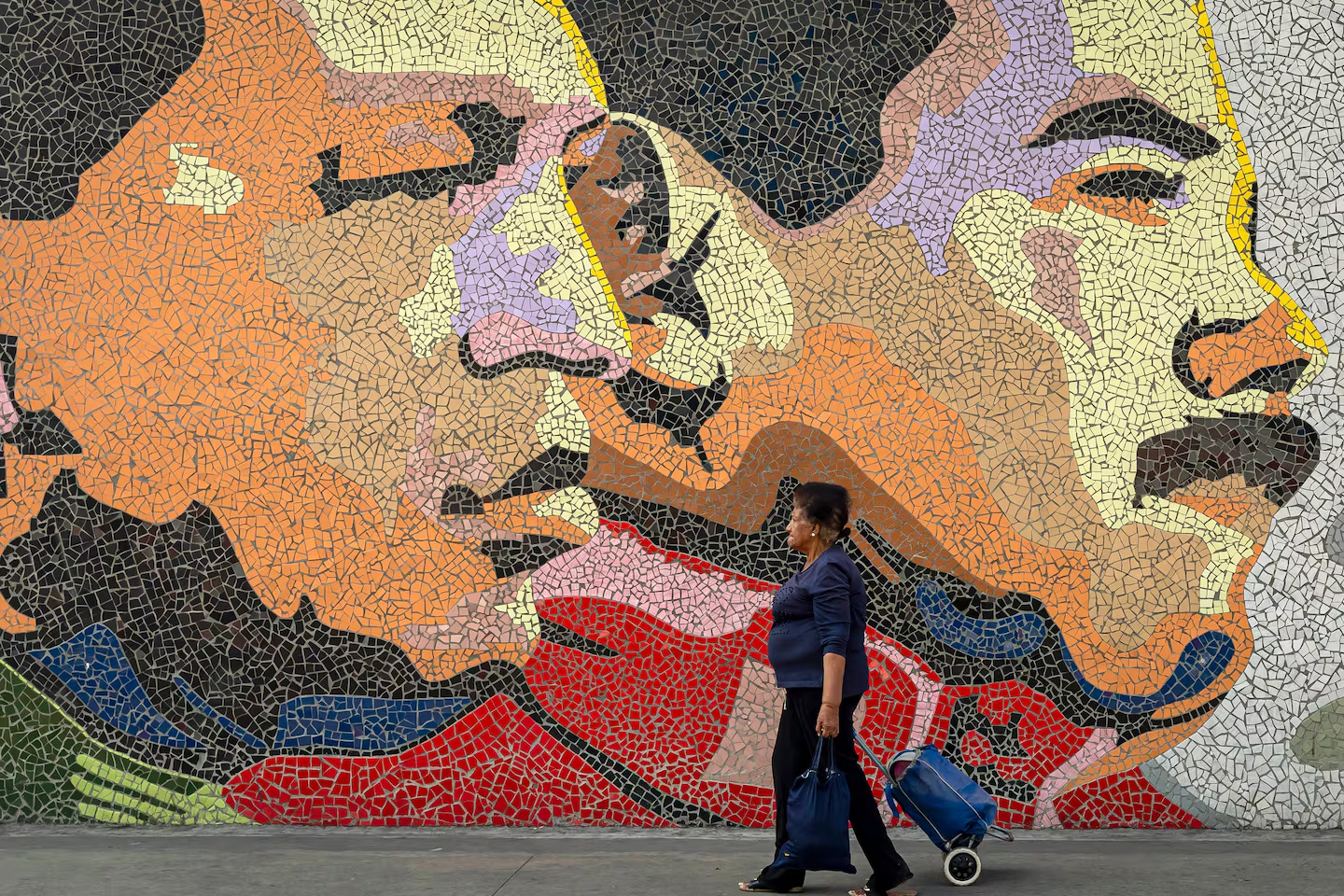
FactCheck.org notes that Trump’s claim that Venezuela “stole” U.S. oil oversimplifies history. Venezuela nationalized its oil industry in 1975, creating PDVSA and gaining control over production; a 2007 move further increased state ownership in the Orinoco Belt, with some foreign partners expropriated and others allowed to stay under revised terms. Exxon Mobil and ConocoPhillips pursued arbitration and were awarded large sums, though payments have been incomplete; other firms like Chevron continued operations under new terms. The oil itself remains owned by Venezuela, and future investment depends on governance, sanctions relief, and reforms. The piece also notes a U.S. idea to seize and monetize some oil already produced, illustrating ongoing policy debate rather than a simple transfer of property.
President Trump claimed Venezuela stole American oil, citing nationalization and asset seizures, but experts clarify that Venezuela's oil belongs to the government, and US companies had contractual rights. The history of nationalization, corruption, and legal claims complicates the situation, with the US now exploring oil exports from Venezuela amid political instability and industry decline.
The article discusses Venezuela's history of nationalizing its oil industry, the claims by Trump that Venezuela stole U.S. assets, and the ongoing tensions over oil sanctions and control, highlighting the complex history and current disputes over oil resources and assets between the U.S. and Venezuela.
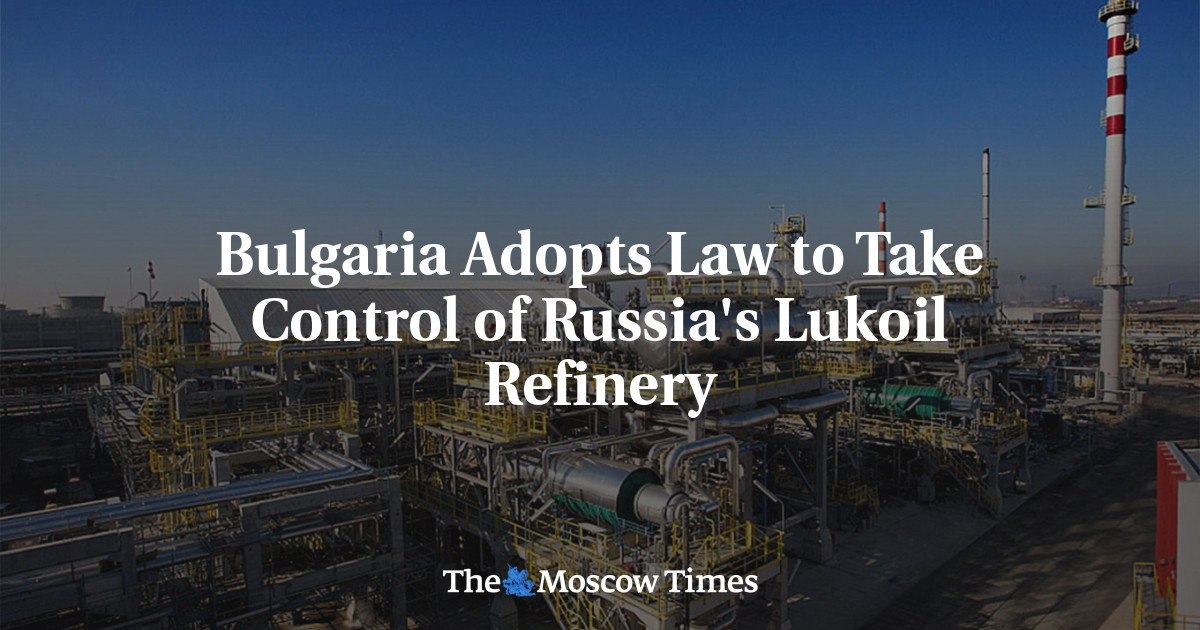
Bulgaria's parliament has passed laws to take control of the Lukoil Neftochim refinery in Burgas following US sanctions against the Russian oil company, allowing for potential nationalization and sale of shares, amid concerns over legal and economic risks.
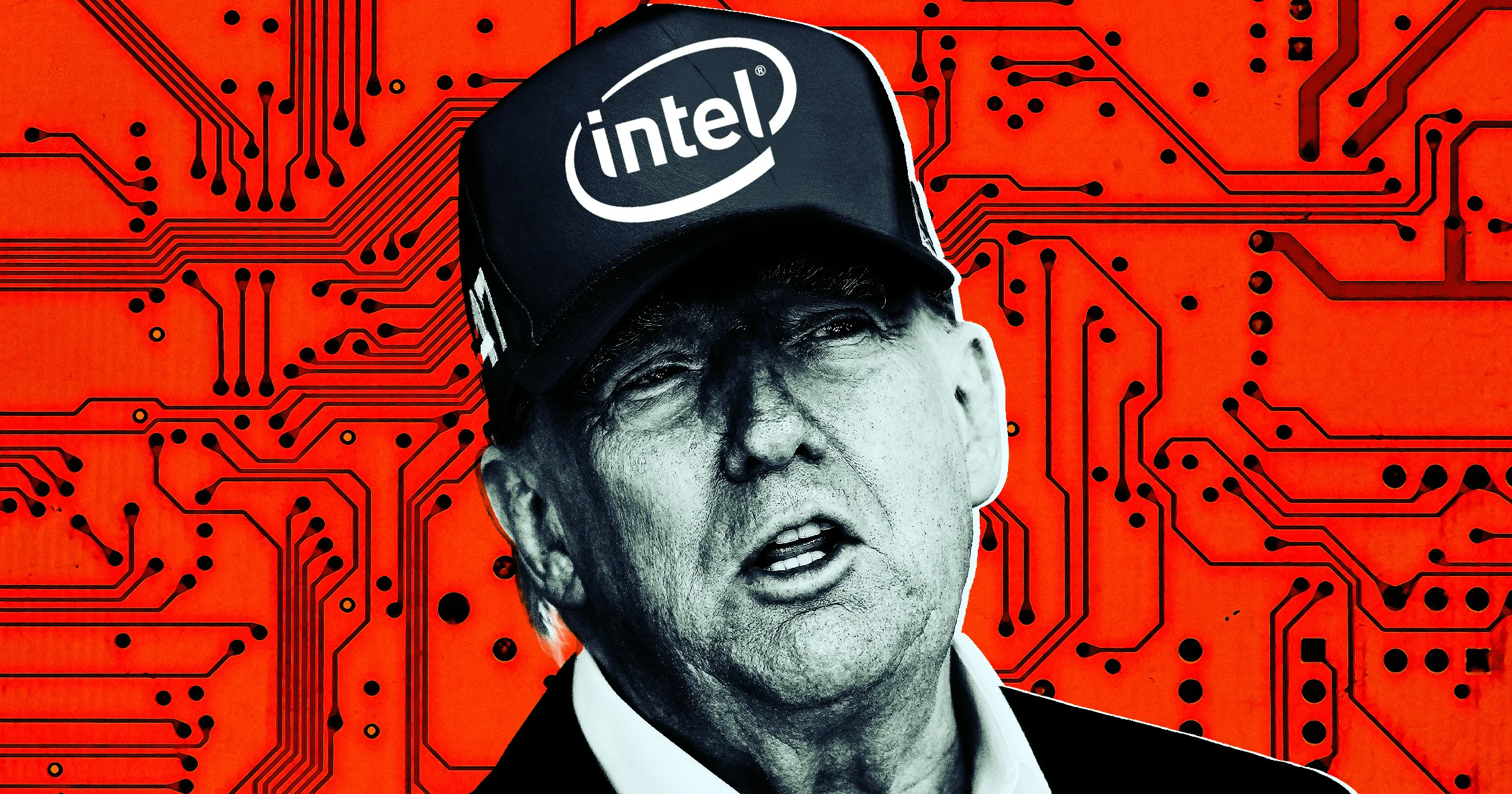
California Governor Gavin Newsom criticized former President Trump's deal for the federal government to take a stake in Intel, calling it reckless and comparing it to China's nationalization practices, and expressed outrage over the implications for private industry and national security.
President Trump has directed the US government to buy a 10% stake in Intel, a move seen as a form of industry nationalization and criticized across the political spectrum, especially given Intel's recent financial struggles and the contrast with Nvidia's success. The move has sparked concerns about government overreach and socialism, with some critics warning it sets a dangerous precedent for government control over private industry.
A US judge has ordered Argentina to relinquish its 51% stake in YPF within two weeks following a $16 billion judgment against the country for the 2012 nationalization of the energy company, marking a significant legal and economic setback for President Javier Milei's government as it faces potential delays in oil and gas projects and ongoing financial negotiations.
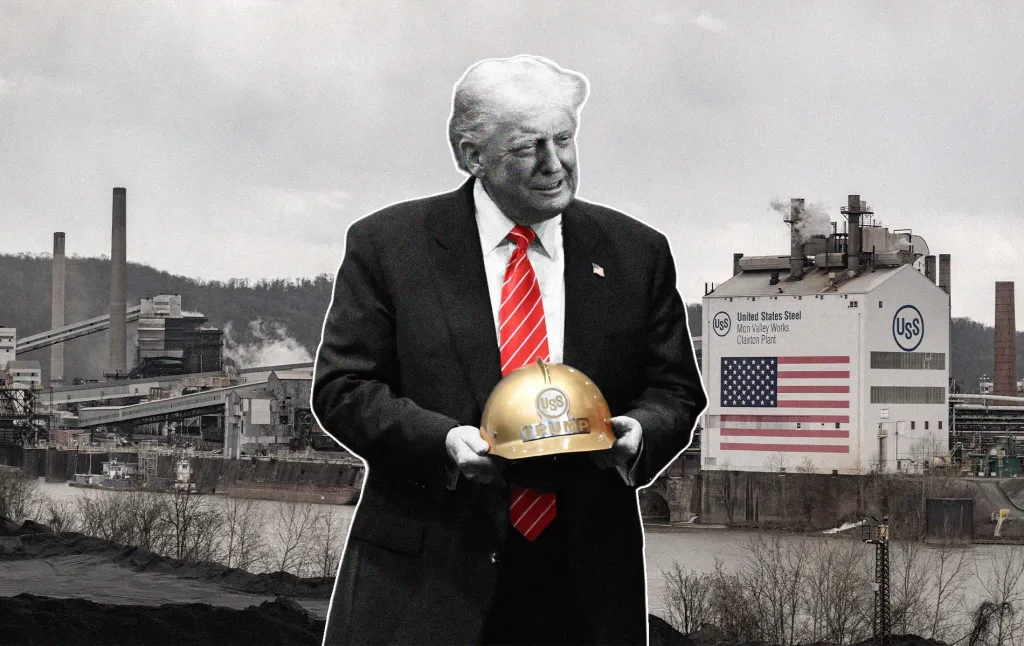
President Trump approved the sale of U.S. Steel to Nippon Steel, but only after securing extensive government controls through a 'golden share' that grants the U.S. government veto power over major decisions, effectively nationalizing the company and raising concerns about government intervention in private industry.
Boeing, once a reliable company, is facing a series of mid-flight disasters and quality control problems, leading to a 27% stock decline and federal investigation. With its untouchable status and lack of true competition, solutions to its problems are elusive. Suggestions include firing the entire C suite, nationalization, or facing the risk of continuous safety issues with potential devastating consequences for the aviation industry.
Rosneft has issued a warning to Berlin over its plan to nationalize the company's German assets, stating that such a move would have serious consequences for the German economy and energy security. The Russian state-controlled oil company's statement comes in response to a proposal by Germany's Left party to bring Rosneft's German operations under state control.