Physicists Reveal Hidden Dual-Band Structure in Ultra-Thin Superconductors
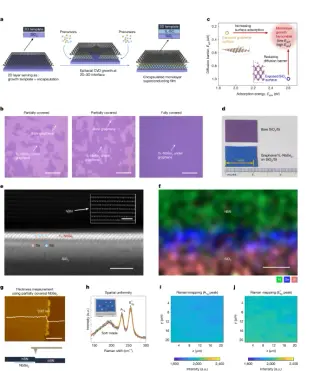
Researchers from the Hebrew University of Jerusalem have resolved a long-standing mystery in superconducting physics by demonstrating that ultra-thin transition metal dichalcogenides (TMDs) possess two distinct superconducting bands rather than one. Published in Physical Review Letters, the study uses tunneling spectroscopy on niobium diselenide (NbSe2) and tantalum disulfide (TaS2) to show that strong electron scattering between bands averages their energy gaps into a single apparent gap. This finding corrects previous single-band models and suggests that thicker versions of these materials may contain even more complex multi-band structures, potentially impacting future quantum technologies and power grid applications.