New research suggests ADHD is not just a mental condition but is linked to numerous physical health issues, while women face significant diagnostic delays due to masking behaviors.
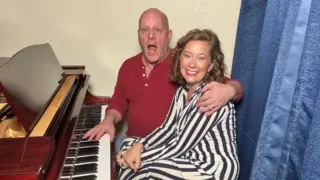
Kari Burroughs Kraakevik and her husband Joshua, a musical duo known as Take Two, gained over 100,000 followers on TikTok by posting unpolished piano performances. Despite Kraakevik’s history of masking her autistic traits to fit societal norms, her authentic, imperfect videos resonated deeply with young viewers, who described her as comforting and 'real' amidst a digital landscape dominated by curated perfection.
A new study in the Journal of Attention Disorders finds that adults with ADHD view their condition more positively if they experience high levels of hyperactivity and impulsivity, but less positively if their symptoms are primarily inattentive. Researchers developed a new scale to measure these attitudes, confirming that the 'silver lining' of ADHD is not universal but depends heavily on the specific symptom profile.
A new review of 134 scientific studies involving over 151,000 participants finds that the term 'neurodivergent' is used inconsistently in academic research. While the term often groups conditions like autism and ADHD, it also includes anxiety, depression, and neurological injuries, or is used without any specific diagnosis. Researchers argue that this lack of standardization hampers clinical clarity and may obscure the distinct needs of individuals with specific diagnoses.
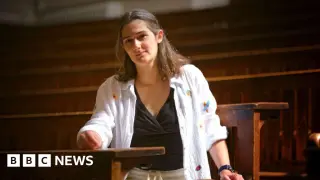
A Cambridge assistant professor of sociolinguistics, Amanda Cole, reveals she has Tourette's syndrome after years of hiding it. After a Bafta incident, she begins telling colleagues and students about her condition, arguing for a better understanding of tics and the strengths of neurodiversity in academia, and noting how few UK academics disclose developmental conditions (about 0.03%).
A BuzzFeed Health piece highlights six often-overlooked ADHD realities for women: task paralysis and the feeling of knowing what to do but being unable to act; watching time pass while stuck between intention and action; having symptoms misread as personal flaws; the cumulative financial cost of impulsivity and missed subscriptions; the perpetual sense that others’ lives are easier while hiding the effort; and the loneliness of an invisible condition that’s frequently dismissed.
A reader with autism describes facing persistent rude and dismissive comments from neighbors who label her as 'fidgety.' In Dear Eric, the columnist reassures that fidgeting is not a problem, that she doesn't owe explanations for her neurodiversity, and recommends practical coping strategies: use clearly visible headphones instead of earbuds, consider a visible badge or sign to signal how others should interact, and prioritize comfort to avoid sensory overload—empowering her to set boundaries without feeling forced to medicate.
A broad review proposes that modern visual environments—striped patterns, dense text, and flickering LEDs—may push the visual cortex beyond its efficient processing range, causing headaches, eye strain, nausea, and even seizures in some people; neurodivergent individuals and migraineurs are disproportionately affected. The proposed mechanism is metabolic overload from inefficient encoding, with potential mitigations through smarter building design, tinted lenses, and overlays, though the authors caution the hypothesis is not yet proven and further research is needed.
A BBC feature profiles autistic women who were historically invisible, detailing how masking and late diagnoses shape their lives and advocacy, with examples like Alex Morgan’s The Autistic Woman site and Fern Brady’s memoir, while experts stress the need for better recognition and support for women’s autism and related mental health and menopause considerations.
A Guardian piece notes that as many as 89–97% of autistic people over 60 are undiagnosed, calling this a neglected generation, and it guides families on recognizing late-life signs, weighing the benefits of diagnosis, and how to pursue assessment—via GP or regulated private clinicians—and how to support older relatives through routines, communication strategies, and access to care whether or not a formal diagnosis is obtained.
A BuzzFeed piece reports that ADHD handwriting is going viral after a TikTok teacher notes a student’s comment about her handwriting, suggesting ADHD traits. The clips show a range of pen grips, angled papers, and a mix of cursive and print, prompting viewers to share their own writing styles and discuss whether this is a genuine ADHD symptom or simply a personal habit. The trend has sparked broader conversations about neurodiversity and everyday writing challenges, including cramps and the push to “write the right way.”
A 27-year-old with a master’s degree, having studied abroad and now employed, feels behind in life because of being single with only a few close friends and a recent nonverbal learning disorder diagnosis. She mourns the life she thought she’d have if the diagnosis had come earlier. The adviser responds with empathy, urges self-compassion, recommends reframing success beyond relationship milestones, and offers practical steps to build meaningful connections and seek support for neurodiversity as she moves forward.
A large Nature Mental Health study analyzed routine therapy data from 7,175 autistic adults receiving psychological treatment for anxiety or depression and found that most did not show meaningful improvement across the first eight sessions; while a small group improved rapidly, many remained stable or worsened. Outcomes varied with factors such as daily functioning difficulties, camouflaging/autistic burnout, ethnicity, and social-leisure engagement, underscoring the need for neurodiversity‑affirming, burnout‑aware, and more tailored mental-health therapies.
At the Bafta ceremony, Tourette syndrome activist John Davidson shouted the N-word, triggering backlash and a wider debate over whether the act was deliberate or an involuntary tic. Supporters argued that coprolalia makes such outbursts involuntary, while others urged apologies and better understanding of Tourette's. The incident coincided with coverage of a film about the disorder that won awards, and it prompted discussions about how media and audiences should respond to tics and race, with advocates calling for greater awareness and empathy.
Older autistic people face higher risks of mood disorders, epilepsy, and age-related conditions such as osteoporosis, heart disease, Parkinson’s and dementia, with many remaining undiagnosed; brain-imaging hints at mixed aging patterns, and experts urge inclusive, long-term research to improve diagnosis and health support for this growing population.