Tag

Neurovascular Coupling

All articles tagged with #neurovascular coupling

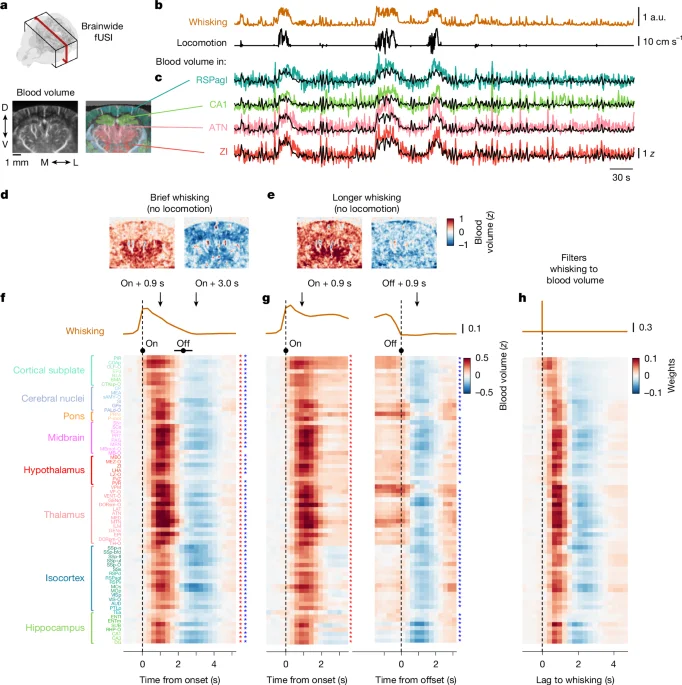
Two opposing neural populations drive brain-wide blood flow across arousal states
science4 hours ago

Two opposing neural populations drive brain-wide blood flow across arousal states

A brain-wide study using functional ultrasound imaging (fUSI) and Neuropixels reveals two opposing neural populations—Arousal+ neurons that ramp up with arousal/whisking and Arousal− neurons that ramp down—that together shape brain-wide blood-volume fluctuations. Each population has a distinct haemodynamic response, and their combined activity predicts blood volume across brain regions and states better than bulk firing alone, with both populations present in every region. This two-population model reconciles regional and state differences in neurovascular coupling and accounts for brain-wide blood-flow changes during arousal and sensory-driven activity.

The Impact of Caffeine on Working Memory and Brain Activity
health2 years ago

The Impact of Caffeine on Working Memory and Brain Activity

A study published in Scientific Reports suggests that daily caffeine intake may hinder working memory function instead of enhancing it. Previous research focused on acute caffeine intake, but this study investigated the effects of sustained caffeine use on cognitive performance. The study found that daily moderate-dose caffeine intake compromised working memory, as participants displayed higher error rates and longer reaction times during memory-related tasks. Brain imaging revealed increased activity in attention and motor control regions during working memory tasks, but no significant differences in brain activity among the three conditions. The study highlights the need for further research to understand the molecular mechanisms underlying caffeine's effects on cognitive functions.

Sensory Stimulation and Mental Workouts Affect Brain Fluid Dynamics.
neuroscience3 years ago

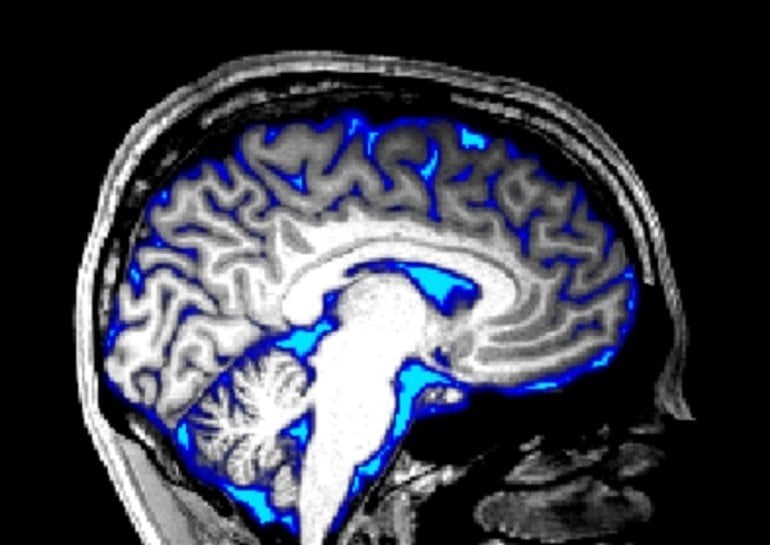
Sensory Stimulation and Mental Workouts Affect Brain Fluid Dynamics.

Researchers at Boston University have found that manipulating blood flow in the brain with visual stimulation induces the flow of cerebrospinal fluid, which helps remove toxins from the brain. The study demonstrates that the flow of cerebrospinal fluid in the brain is linked to waking brain activity, and the findings could impact treatment for conditions like Alzheimer’s disease, which have been associated with declines in cerebrospinal fluid flow. The researchers discovered that exposure to a flashing pattern can increase the flow of cerebrospinal fluid, which could be a way to combat natural or unnatural declines in fluid flow that occur with age or disease.