Tag

Newborn Screening

All articles tagged with #newborn screening

Idaho mother with stage 4 lung disease delivers daughter with rare metabolic disorder
health18 days ago

Idaho mother with stage 4 lung disease delivers daughter with rare metabolic disorder

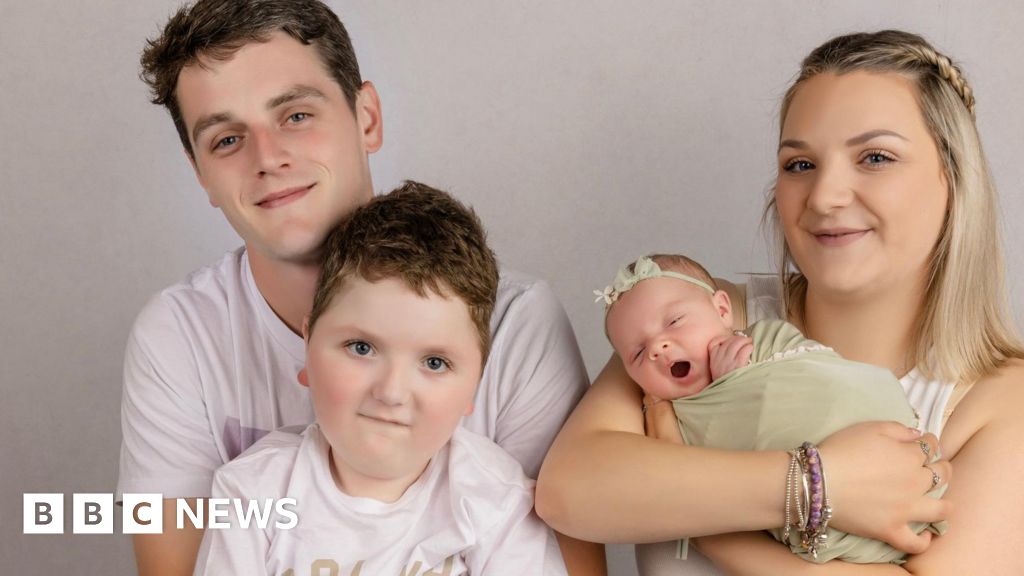
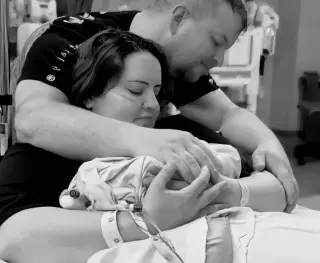
Ambrosia Howell, 30, delivered her daughter Aurora on August 19 at the University of Utah Hospital after a high-risk pregnancy complicated by stage 4 bronchiolitis obliterans. Aurora was diagnosed with medium-chain acyl-CoA dehydrogenase deficiency (MCADD), a rare metabolic disorder detected via newborn screening. The family, who relocated from Idaho Falls to Salt Lake City for specialized care, is now managing Aurora’s condition while Ambrosia recovers from her lung disease. Doctors warned that both mother and child faced high risks of death during the pregnancy.

England to Add SMA to Newborn Blood Spot Tests in Five-Year Trial
health2 months ago

England to Add SMA to Newborn Blood Spot Tests in Five-Year Trial

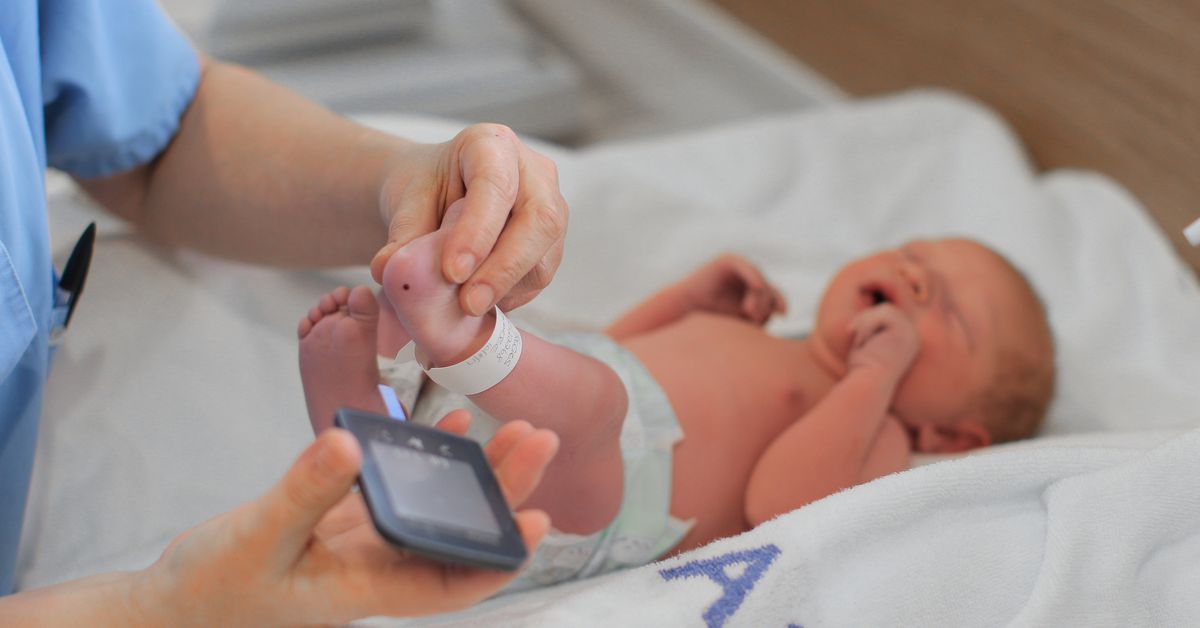
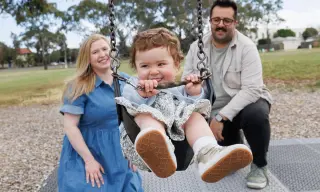
England will launch a five-year national trial to screen newborns for Spinal Muscular Atrophy (SMA) by adding it to the routine heel prick test. The study, led by Professor Laurent Servais at the University of Oxford, aims to assess the clinical and financial viability of early detection for the NHS. Screening begins in Birmingham, Manchester, and London before a full national rollout in 2027, targeting approximately 600,000 infants annually. Early intervention is critical as untreated SMA can be fatal within two years, and the trial follows a successful pilot in the Thames Valley that identified a rare case in a toddler.

Global trials test if genomic newborn screening can outpace conventional blood tests
health3 months ago

Global trials test if genomic newborn screening can outpace conventional blood tests

Large-scale studies in the US, Australia, and Belgium are testing whole-genome sequencing for newborns to detect rare, treatable diseases missed by standard blood tests. Early data shows 1.6% to 2.7% of infants have confirmed genetic conditions, but experts debate the cost, ethical implications, and clinical utility of screening for conditions without proven interventions.

WHO calls for rapid scale-up of newborn screening to detect birth defects early
health5 months ago

WHO calls for rapid scale-up of newborn screening to detect birth defects early

WHO calls on countries to expand newborn screening for birth defects to enable early detection and treatment, which can save lives and reduce lifelong disability; about 8 million babies are born with birth defects each year and the condition now accounts for about 8% of under-five deaths, with 90% of affected children in low- and middle-income countries where screening access is limited; the agency highlights country progress and urges integrating screening into routine health services and universal health coverage, starting with country-priority conditions and expanding capacity over time.

"Why I'm Grateful for My Baby's False Positive SCID Test"
health2 years ago

"Why I'm Grateful for My Baby's False Positive SCID Test"

A parent shares their experience of receiving a false positive test result for a rare genetic disorder in their newborn, highlighting the anxiety and gratitude that came with the experience. The article discusses the importance of newborn screening programs in detecting treatable genetic disorders, such as severe combined immunodeficiency (SCID), and the remarkable progress in medicine that has made these screenings highly reliable and affordable. The author emphasizes the significant impact of these advancements on infant mortality rates and expresses gratitude for the screening test that ultimately turned out to be unnecessary, recognizing the potential life-saving impact for families whose babies are identified as needing treatment.

"Newborn Screenings Initiated to Combat Leading Birth Defects"
health3 years ago

"Newborn Screenings Initiated to Combat Leading Birth Defects"

Cytomegalovirus (CMV), a common virus that can cause birth defects, is now being screened for in newborn babies in New York as part of a pilot program. CMV infects more than half of adults and one in every 200 babies is born with congenital CMV. Symptoms can include smaller head size, hearing loss, and developmental delays. Early identification of the virus allows for monitoring and treatment to mitigate potential health effects. While there is currently no vaccine for CMV, awareness about prevention and intervention is crucial. The push for universal screening is driven by parents who have experienced the health effects of CMV in their children.

Expanding Newborn Screening in New York State to Include Additional Virus
health3 years ago

Expanding Newborn Screening in New York State to Include Additional Virus

New York State will become the second state to screen newborns for Congenital Cytomegalovirus (cCMV), a common virus that affects one in every 200 babies born in the United States. Starting on October 2, all babies will be screened for cCMV as part of the New York State Newborn Screening Program. Babies who test positive will be referred to specialists for follow-ups and evaluations. cCMV can cause symptoms at birth, including low birth weight, rashes, and seizures, and can also lead to hearing and vision loss later in childhood. Parents have the option to opt out of having the results included in their babies' records.

Expanding Newborn Screening in New York State to Include Additional Virus
health3 years ago

Expanding Newborn Screening in New York State to Include Additional Virus

New York State will become the second state to screen newborns for Congenital Cytomegalovirus (cCMV), a common virus that affects one in every 200 babies born in the United States. Starting on October 2, all babies will be screened for cCMV as part of the New York State Newborn Screening Program. Babies who test positive will be referred to specialists for follow-ups and evaluations. cCMV can cause symptoms at birth, including low birth weight, rashes, and seizures, and can lead to hearing and vision loss later in childhood. Parents have the option to opt out of having the results included in their babies' records.

health3 years ago

Newborn screening crucial for survival of immune disease.

Newborn screening for severe combined immunodeficiency (SCID) followed by early treatment has increased the five-year survival rate of children with the disorder from 73% to 87%, according to a study by the National Institute of Allergy and Infectious Diseases. The study analysed data on more than 900 children with confirmed SCID who received treatment for the condition with a transplant of blood-forming stem cells from a non-genetically matched donor at one of 34 sites in the US or Canada between 1982 and 2018. The researchers excluded infants who received stem-cell transplants from genetically matched sibling donors from the analysis, because these children had high overall survival rates throughout the study period.

Inconsistent Newborn Disease Screening Causes Diagnosis Delays Across States
health3 years ago

Inconsistent Newborn Disease Screening Causes Diagnosis Delays Across States

Varying state policies on newborn genetic screenings have led to some babies being diagnosed with rare diseases too late for effective treatment. The Department of Health and Human Services recommends screening for 37 disorders, but no state screens for all of them. Parents and doctors are pushing for expanded screening to save lives, citing the increasing number of treatable genetic diseases. However, getting a condition added to the federal Recommended Uniform Screening Panel is difficult, and some committee members have expressed concerns about the risks of stem cell transplants.

The Significance of a Little-Known Virus We All Carry.
health3 years ago

The Significance of a Little-Known Virus We All Carry.

Cytomegalovirus (CMV) is a common virus that can cause congenital infections, leading to birth defects and permanent neurodevelopmental disabilities. Although prenatal and newborn screening for CMV is not standard of care, some states have passed laws requiring public education and targeted screening. Simple behavior changes, such as frequent handwashing and avoiding sharing food or utensils, can significantly reduce the risk of getting CMV. Increasing awareness and standardizing screening guidelines could help reduce the incidence and burden of CMV-related diseases on children and their families.