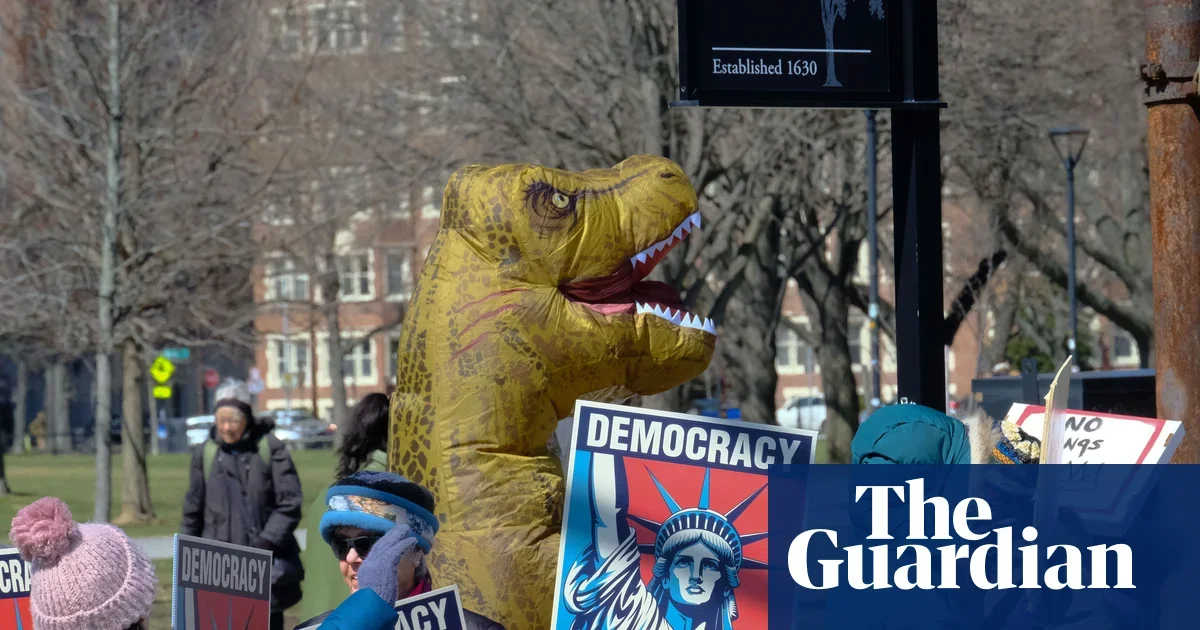
Millions joined No Kings protests across all 50 states and 16 countries to push back on Trump administration policies on Iran, immigration enforcement, and rising living costs, with related actions against NIH medical-research funding and DHS funding brinkmanship.
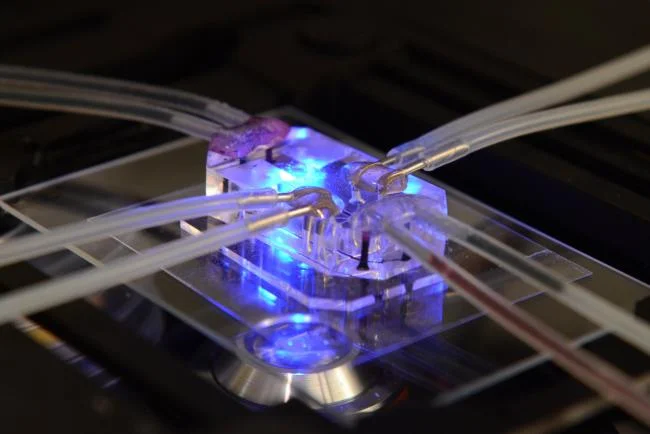
NIH is investing over $150 million to advance human-based research methods (NAMs) and reduce animal testing, creating technology development centers, a NAMs data hub, and a validation network; four pilot NAMs projects on preterm birth, developmental neurotoxicity, inhalation toxicity, and acute oral toxicity will be funded, with a separate $7 million Reduction to Practice Challenge with FDA and EPA to push NAMs toward regulatory use.
AI-assisted NIH grant proposals appear about 4% more likely to be funded and yield more papers, but they tend to resemble prior work, raising concerns about reduced novelty and potential homogeneity; NSF proposals show no funding advantage from AI use. Findings come from an arXiv preprint analyzing NIH/NSF submissions and AI-rewritten abstracts, and are not yet peer reviewed.
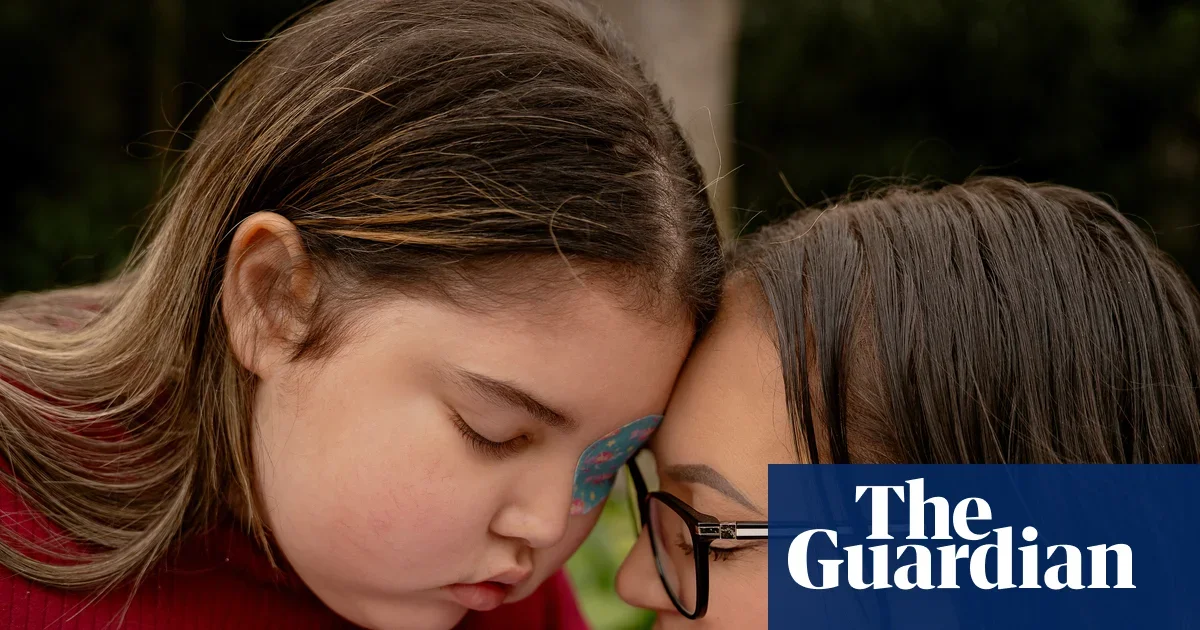
A Guardian feature follows Izzy, a four-year-old with diffuse intrinsic pontine glioma (DIPG), and the families and doctors racing to find experimental treatments as the Trump era’s funding cuts cripple NIH support, shutter the Pediatric Brain Tumor Consortium, and suspend or delay dozens of clinical trials. The result is that progress in DIPG research stalls just as families face a last-hope window, turning access to new therapies into a bureaucratic and political obstacle. In the end, Izzy receives a reprieve when Stanford offers a CAR-T cell trial, a glimmer of hope amid a landscape of lost trials and dwindling resources.
Scientists from Scripps Research and the Allen Institute, led by Nobel laureate Ardem Patapoutian, received $14.2 million from the NIH to create the first comprehensive map of interoception, the body's internal sensory system, aiming to better understand how the brain monitors internal signals and its implications for health and disease.
The U.S. federal government has significantly reduced funding for research on health disparities among minority and low-income groups, citing concerns over identity politics, which threatens ongoing efforts to understand and address racial and socioeconomic health gaps.
The White House reversed its decision to halt NIH funding after congressional pressure, ensuring continued support for biomedical research amid concerns over delays and potential impacts on medical advancements.
The Trump administration temporarily halted then released NIH research funding amid internal debates over federal spending cuts, with concerns raised about potential impacts on scientific research and public health.
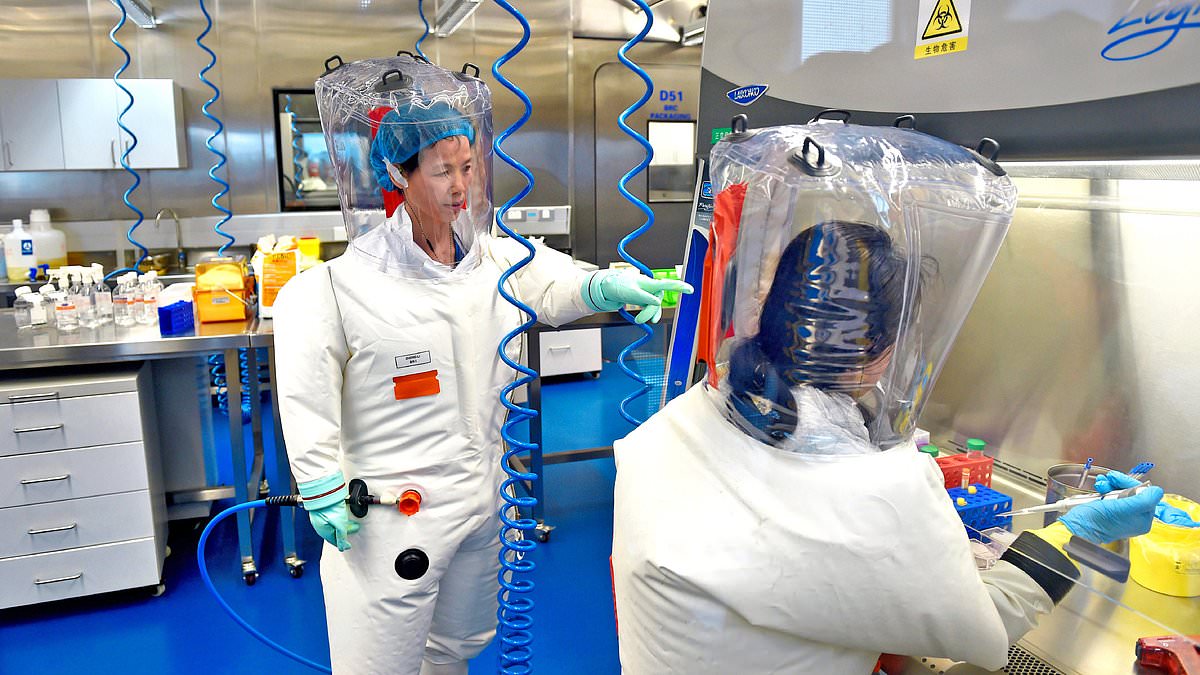
A new taxpayer-funded lab is being built in Colorado that will import bats from around the world and experiment on dangerous diseases, including Ebola, Nipah virus, and Covid-19. The collaboration between the National Institutes of Health (NIH), Colorado State University (CSU), and EcoHealth Alliance (EHA) has raised concerns among Republican Senators who fear the facility could start a pandemic on US soil. The lab, due to open in 2025, has faced opposition from Fort Collins residents who worry about the potential spread of diseases. The project has been criticized for its controversial collaboration with EHA, which has been linked to the Covid lab leak theory.