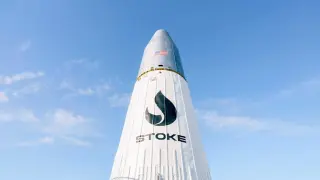
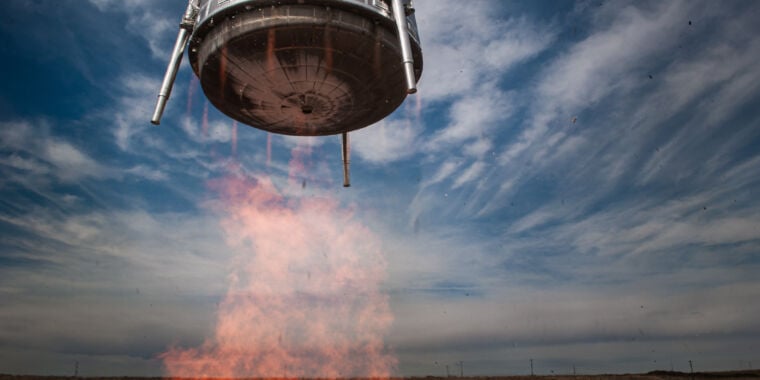
Stoke Space has raised $1 billion in a Series E round, bringing its total funding to $2.3 billion. The capital will accelerate the development of a larger 'Block 2' rocket and support the early 2027 debut of the smaller 'Pathfinder' version, aiming to address growing demand for launch capacity.
Stoke Space completes proto-qualification of the Nova first-stage at Moses Lake with an eye to a late-2026 debut; NASA weighs Artemis III lander options (Blue Origin’s New Glenn, Vulcan, Falcon Heavy) after the pad incident; Isar Aerospace raises 270 million euros to scale Spectrum and reschedule its second launch; SpaceX readies for Friday’s IPO amid ongoing Starlink and Falcon 9 milestones; Ariane 6 upgrades with P160C boosters and there’s ongoing talk of offshore launch concepts and regulatory flexibilities for Amazon Leo.
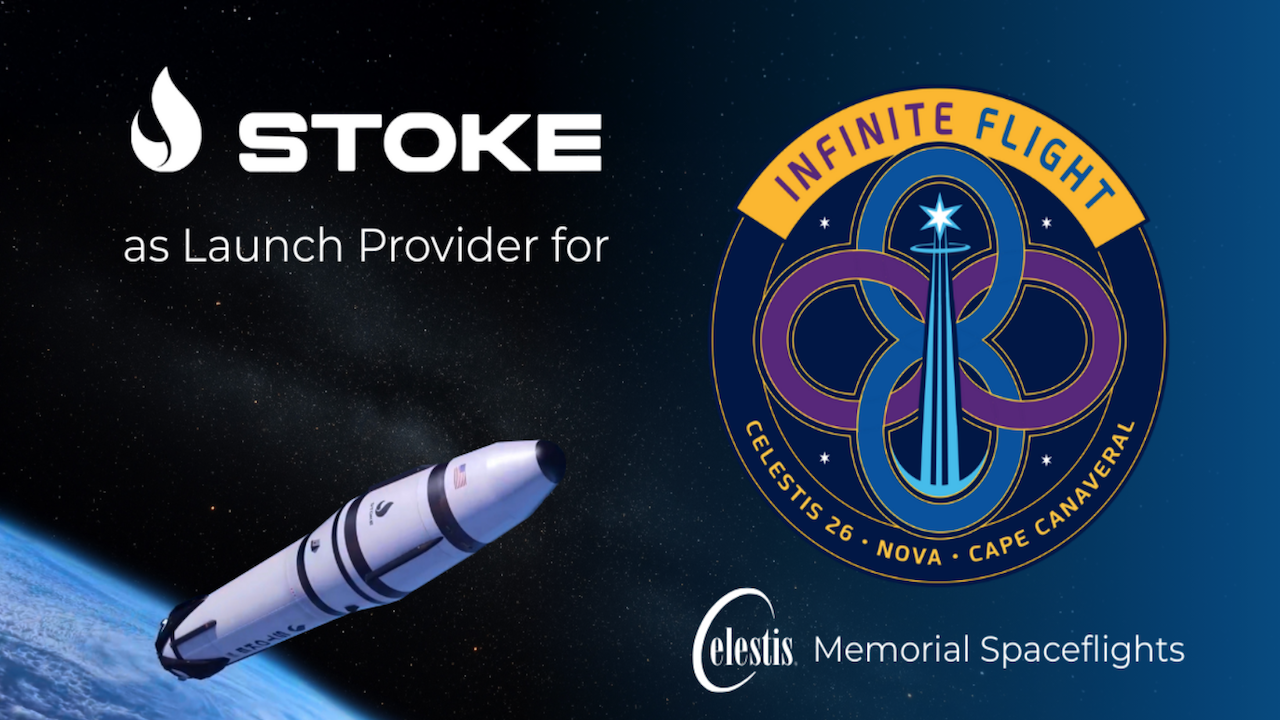
Celestis Inc. has selected Stoke Space's Nova rocket for its upcoming 'Infinite Flight' mission, set to launch in late 2026, carrying human remains into deep space beyond the Earth-moon system, marking the second commercial deep space memorial flight by the company.
Stoke Space, a small launch company, has raised $100 million in funding and revealed the name of its fully reusable small rocket, Nova. The funding will be used to develop the rocket's engine and structure, as well as new construction at Launch Complex 14. Meanwhile, the return to flight of Europe's Vega C small launch vehicle has been delayed to late 2024 due to a nozzle redesign. Rocket Lab has opened a new engine development center in a building previously owned by Virgin Orbit, enabling faster production of engines. Germany is pursuing a competitive procurement process for launch services, signaling a shift from Arianespace as the primary rocket vendor. Additionally, French aviation company Dassault Aviation is in talks with Rocket Lab for the potential development of a reusable space transportation system.