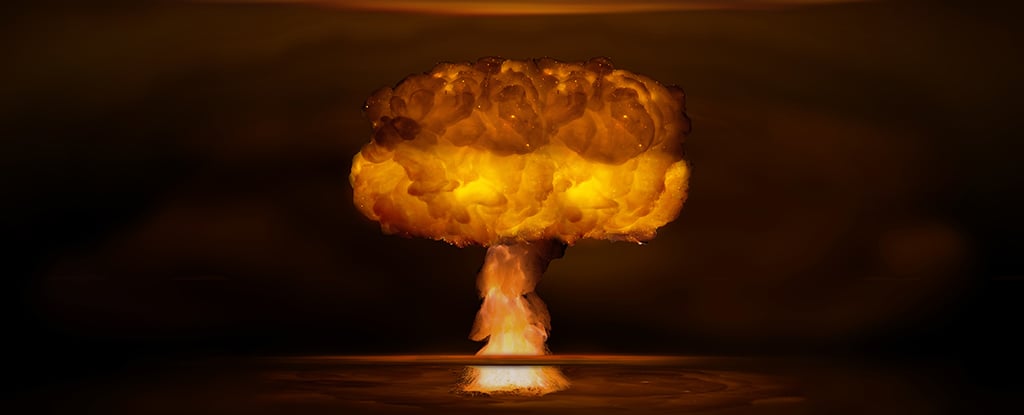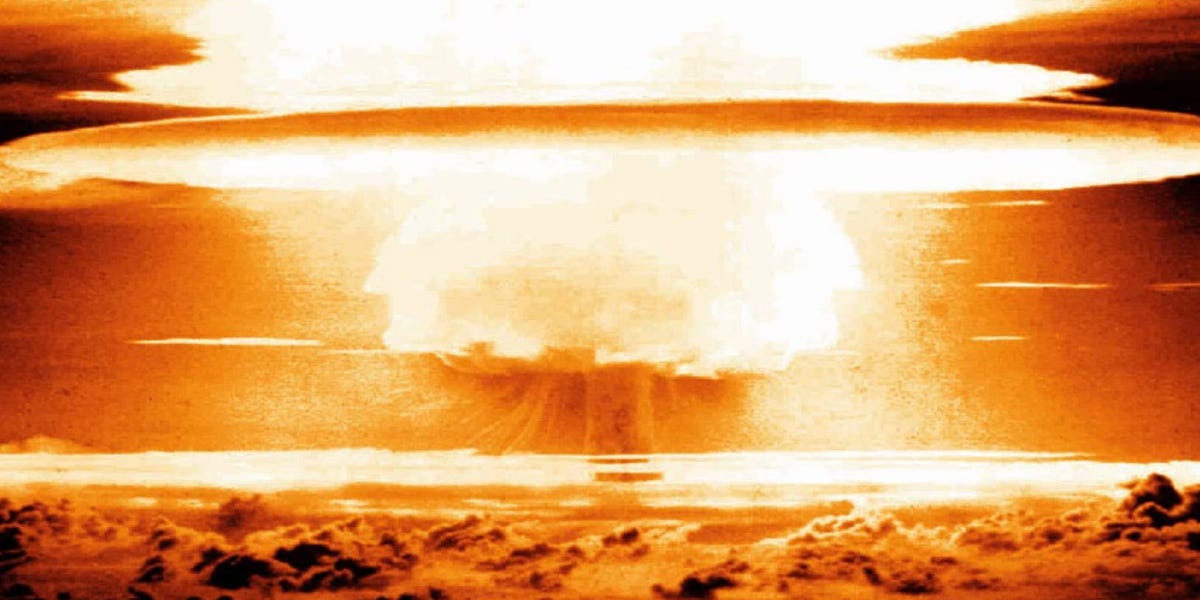
Hiroshima Blast Forges Unprecedented Alloy in Microscopic Fallout
Researchers led by Luca Bindi of the University of Florence identified a previously unknown metallic alloy within microscopic glass particles, known as hiroshimaites, recovered from Hiroshima Bay. The 15-kiloton Little Boy bomb detonated on August 6, 1945, created a fireball exceeding 7,000 °C, vaporizing and mixing diverse materials before rapid cooling froze them into unique structures. Analysis of 34 samples revealed a 10-micrometer grain containing iron, chromium, silicon, nickel, molybdenum, manganese, and aluminum. Unlike standard steel, this grain possesses a complex AlAu₄-type crystal structure derived from beta-manganese, which does not match known industrial alloys. The findings, published in Science Advances, suggest that nuclear explosions create rare metastable materials that are difficult to replicate in laboratories.