Tag

Ocean Circulation

All articles tagged with #ocean circulation

Weakening Atlantic Conveyor Could Reshape Global Weather, Threatening California
science1 month ago

Weakening Atlantic Conveyor Could Reshape Global Weather, Threatening California

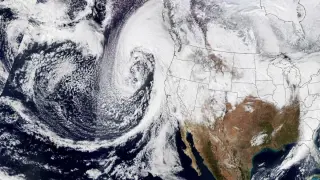
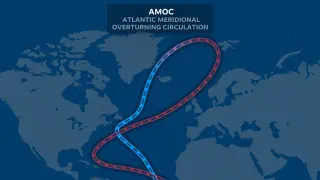
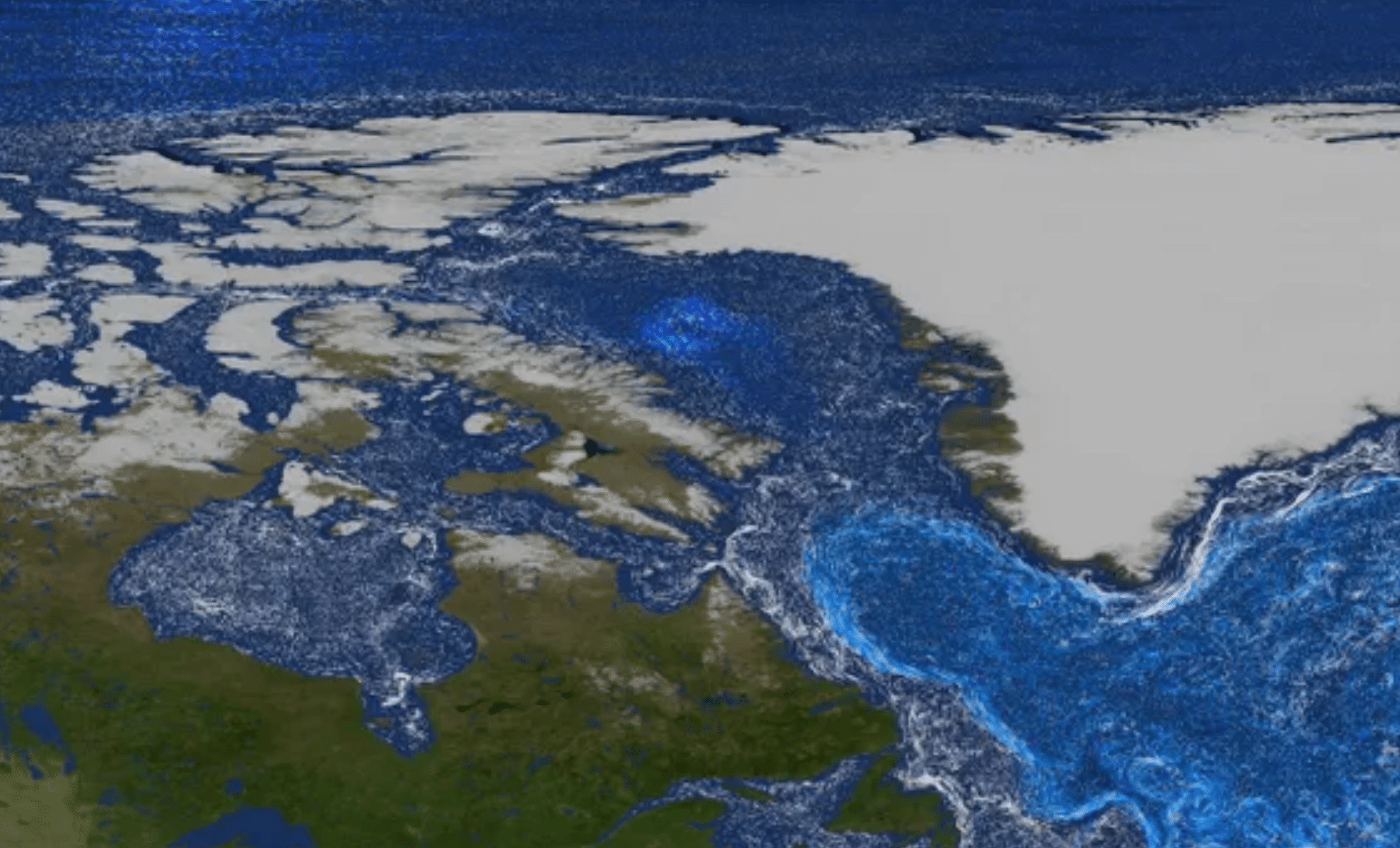
A Nature Communications study finds that human-caused warming is slowing the Atlantic Meridional Overturning Circulation (AMOC), with a possible near-future collapse. Using NASA data and climate models, researchers project that a weaker AMOC would alter atmospheric moisture and storms globally, intensifying North American—especially California—storms by the end of the century while reducing them in Greenland and the Arctic. Atmospheric rivers, the moisture-dense air streams that drive much of California’s rainfall, could become more frequent and wetter, increasing flood risk in some regions and changing water resources; ARs may also transport more moisture to the Southern Hemisphere and accelerate Antarctic ice melt. The greatest increases in AR activity are expected along North America’s West Coast, from Baja California to Alaska, while Arctic regions could see fewer ARs as the jet stream shifts. However, the outcome depends on future greenhouse gas emissions, making the scenario not guaranteed. The research highlights how a single major ocean current can ripple across global climate patterns and emphasizes potential adaptation, such as restoring landscapes to capture more water in drought-prone areas.

Congo River Freshwater Takes a Bursty Atlantic Voyage via Giant Ocean Eddies
science1 month ago

Congo River Freshwater Takes a Bursty Atlantic Voyage via Giant Ocean Eddies

A new study using high‑resolution ocean modeling and satellite data traces the Congo River’s 40,000 m3/s freshwater plume into the tropical Atlantic, revealing that giant mesoscale eddies trap and carry river water hundreds of kilometers offshore in bursts rather than a steady spread, with seasonal discharge still driving the overall transport and smaller submesoscale features occasionally contributing. The findings impact understanding of regional circulation, climate and marine ecosystems across the Atlantic.

AMOC on edge: new studies warn Atlantic current could weaken toward collapse
science4 months ago

AMOC on edge: new studies warn Atlantic current could weaken toward collapse

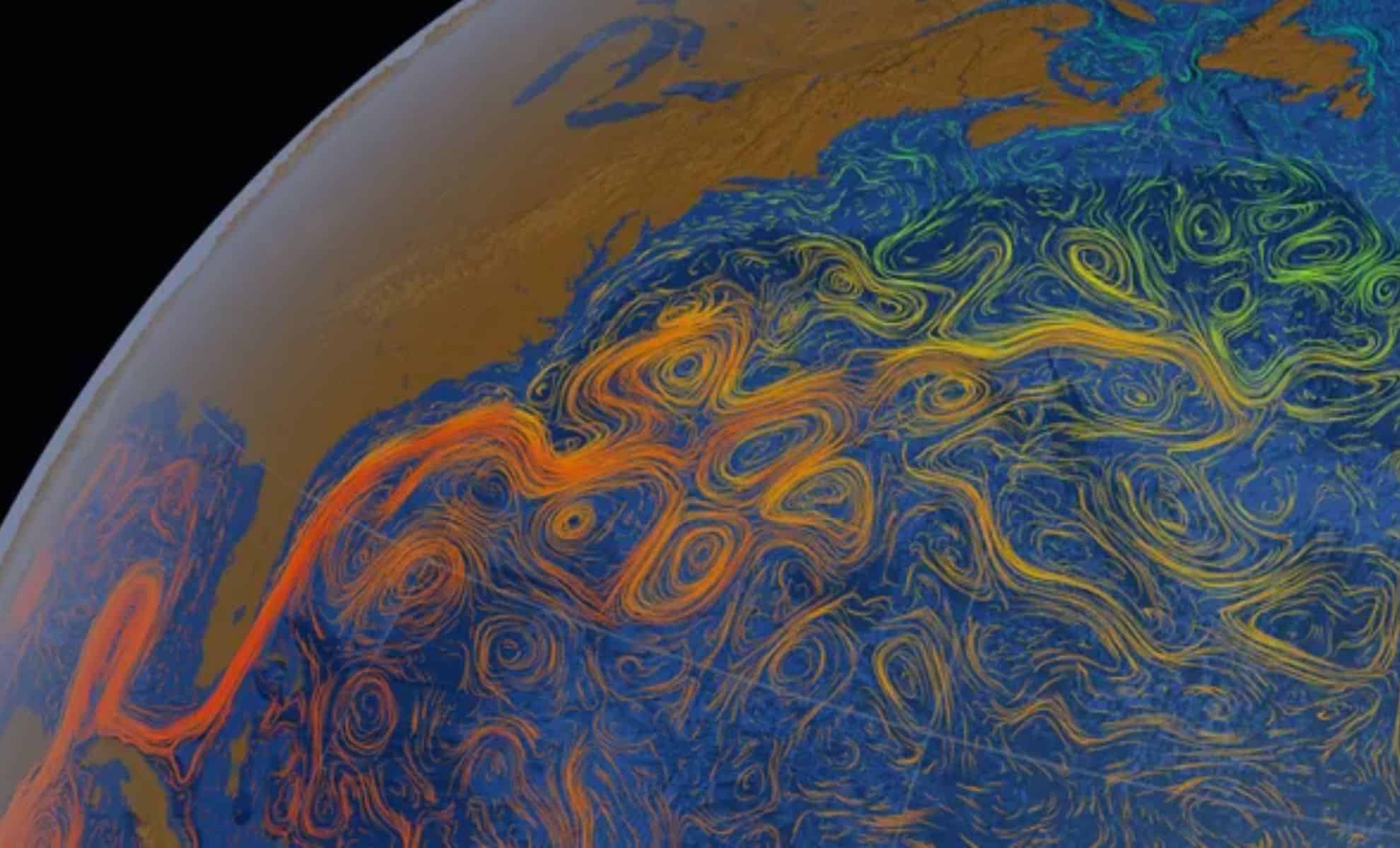
Two Science Advances studies warn the Atlantic Meridional Overturning Circulation (AMOC) is already weakening across four western Atlantic sites and could slow by more than 50% by 2100, potentially collapsing this century due to anthropogenic climate change. A weakening AMOC would cool parts of the North Atlantic, increase European winter storms, reduce Sahel and South Asian rainfall, and raise sea levels along the U.S. Northeast, underscoring the need for emissions cuts and ongoing monitoring.

Atlantic Conveyor on the Edge: AMOC Could Collapse and Reshape Global Climate
environment4 months ago

Atlantic Conveyor on the Edge: AMOC Could Collapse and Reshape Global Climate

A new Science Advances study using real-world data suggests the Atlantic Meridional Overturning Circulation (AMOC) could weaken by about 51% by 2100 (roughly 43–59% range), potentially triggering a long-lasting climate disruption: sea levels may rise across North America, Southern Europe could face severe droughts, and Europe and the US could experience much warmer or cooler shifts with broad ecological and agricultural impacts. The timing is uncertain, but researchers urge preparation and further validation of models.

Atlantic Conveyor Near Tipping Point as Collapse Risk Rises
science4 months ago

Atlantic Conveyor Near Tipping Point as Collapse Risk Rises

Combining real-world ocean observations with climate models, researchers find the Atlantic Meridional Overturning Circulation (Amoc) is likely to slow by 42-58% by 2100 and is almost certainly headed for collapse, a scenario with potentially drastic impacts on European climate, rainfall across Africa and the Americas, and Atlantic sea levels; the study in Science Advances shows the pessimistic models match observations better, and notes that Greenland meltwater could push the risk even higher.

Antarctica's Hidden Canyon Network May Rewrite Ocean Circulation and Ice Melt
science6 months ago

Antarctica's Hidden Canyon Network May Rewrite Ocean Circulation and Ice Melt

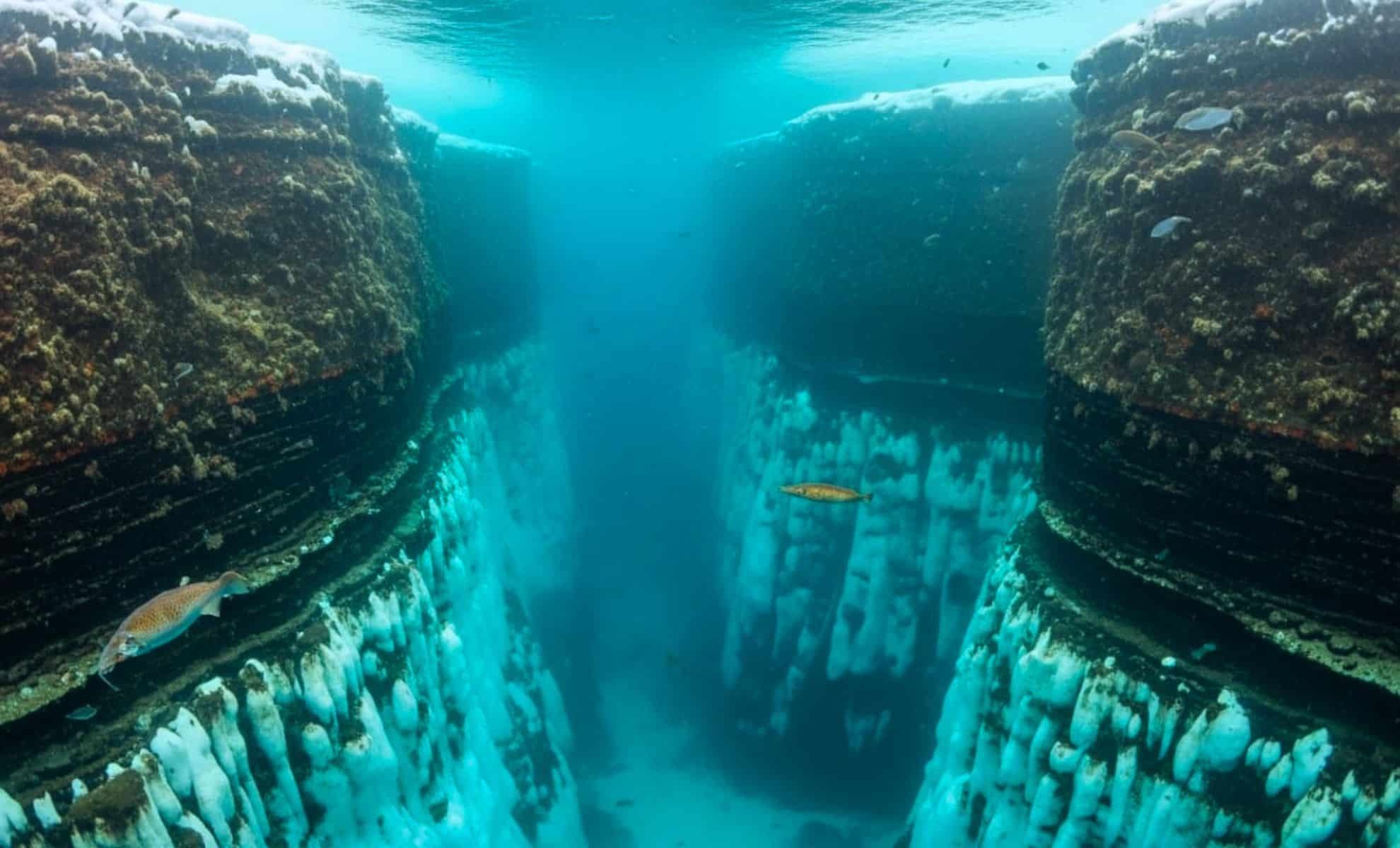
A high‑resolution survey around Antarctica identified 332 submarine canyons, some deeper than 4,000 meters, with distinct eastern and western morphologies that challenge prior climate assumptions. These canyons regulate exchanges between the continental shelf and the deep Southern Ocean, channeling warm water toward ice shelves to accelerate melting while exporting freshwater that influences global ocean circulation. The dataset enables more realistic seafloor topography in climate models, though direct flow measurements are still limited and further mooring/observational campaigns are planned.

Southern Ocean's Hidden Role in Climate Change Revealed
science10 months ago

Southern Ocean's Hidden Role in Climate Change Revealed

A study reveals that despite climate change predictions, the Southern Ocean continues to absorb CO2 due to increased freshwater input from melting glaciers and sea ice, which enhances water stratification and temporarily prevents deep water from releasing stored CO2. However, ongoing wind strengthening may soon disrupt this balance, potentially reducing the ocean's capacity to act as a carbon sink and accelerating climate change.

Unusual North Atlantic Currents Signal Potential Climate Risks
environment10 months ago

Unusual North Atlantic Currents Signal Potential Climate Risks

Recent research indicates that the North Atlantic subpolar gyre is destabilizing and may be nearing a tipping point, which could lead to severe climate consequences such as extreme weather in Europe. This destabilization, linked to global warming and historical ocean patterns, poses significant risks even if the broader Atlantic Meridional Overturning Circulation remains intact.

Critical Atlantic Ocean Currents Face Potential Collapse, Threatening Global Climate
science11 months ago

Critical Atlantic Ocean Currents Face Potential Collapse, Threatening Global Climate

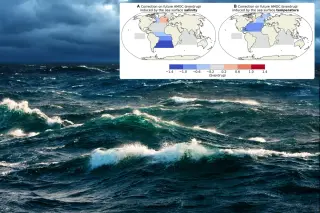
A recent study warns that the Atlantic Meridional Overturning Circulation (AMOC), a crucial ocean current system regulating global climate, could collapse as early as 2055 due to warming and melting Arctic ice, with significant worldwide consequences. Detecting early signs through surface buoyancy flux indicates the weakening of the AMOC, and while reducing carbon emissions could prevent or delay collapse, the risk remains, emphasizing the urgent need for climate action.

New Map Unveils Extensive and Deep Antarctic Submarine Canyons
science1 year ago

New Map Unveils Extensive and Deep Antarctic Submarine Canyons

Scientists have discovered 332 submarine canyons beneath Antarctica, significantly more than previously known, which play a crucial role in ocean circulation, ice-shelf dynamics, and climate regulation. The study highlights differences between East and West Antarctic canyons and emphasizes the need for detailed mapping to improve climate models.