The National Science Foundation reversed its plan to dismantle the ocean-observing network after public outcry, keeping the program intact to continue collecting vital oceanographic and climate data.
The Trump administration has paused its plan to dismantle the $368 million Ocean Observatories Initiative after bipartisan backlash in Congress; the National Science Foundation will delay removing hundreds of depth instruments and will convene an expert panel to decide the future of the ocean-monitoring network.
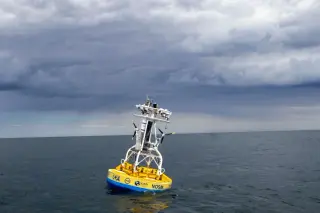
The Trump administration will dismantle the Ocean Observatories Initiative, a $368 million deep-ocean monitoring network with about 900 instruments across the Pacific and Atlantic, removing in-water infrastructure over 15 months. Scientists warn the move could hamper fisheries management, weather forecasting, and understanding the Atlantic Meridional Overturning Circulation amid record ocean warming and an impending El Niño.
The National Science Foundation announced a plan to descope the Ocean Observatories Initiative, a $368 million, 900-instrument deep-sea network that has provided data on ocean currents, climate variability, and marine ecosystems since 2016. The phased removal of in-water infrastructure at sites off North Carolina, Oregon, Washington, Alaska, and in the Irminger Sea will take about 15 months and ends continuous monitoring after more than a decade. Scientists and Democratic lawmakers criticized the move as short-sighted and warned it could create a data gap and complicate future rebuilding, even as NSF says the program is not canceled and aims to prioritize evolving priorities and technologies.
A record-breaking 13.8-foot male great white shark named Contender, tagged and studied off the US East Coast, spent the summer near popular beaches, raising concerns about shark encounters despite advances in bite-resistant wetsuit materials.
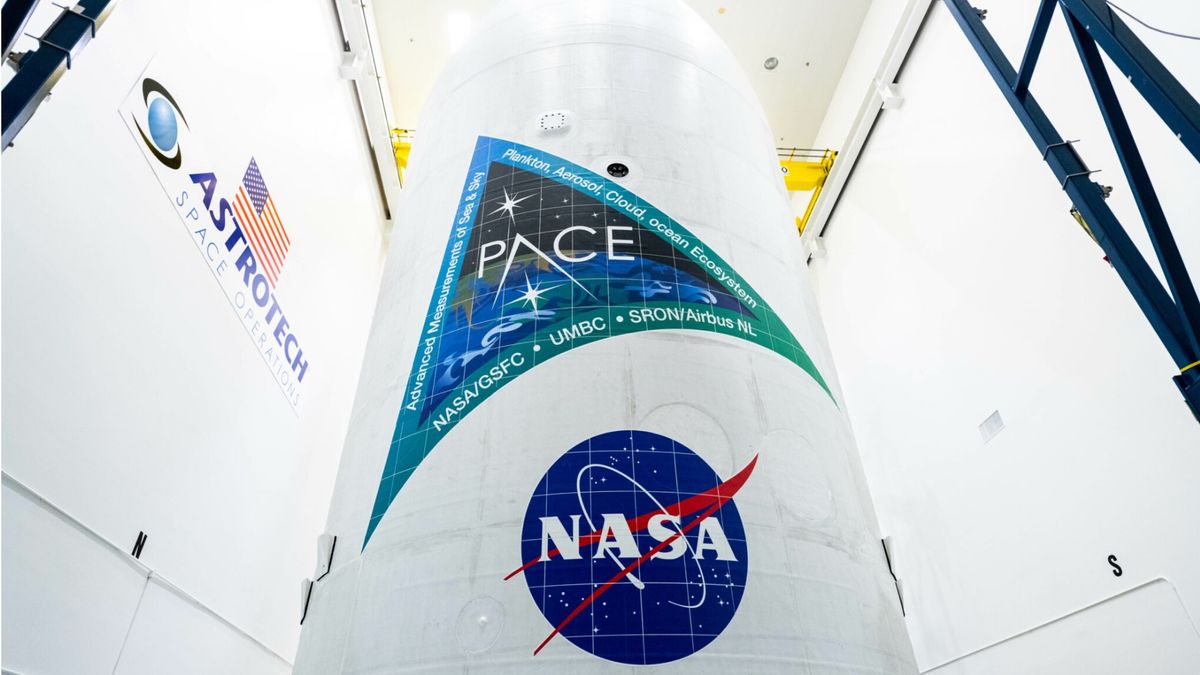
NASA's PACE (Plankton, Aerosol, Cloud, ocean Ecosystem) spacecraft is set to launch atop a SpaceX Falcon 9 rocket from Florida's Cape Canaveral Space Force Station to map out the ocean's health by collecting data on clouds, aerosols, and phytoplankton growth. The satellite, with a cost of $948 million, will orbit 420 miles above Earth and contribute to NASA’s global satellite observations of ocean biology and key measurements related to air quality and climate. This launch is part of a busy year for SpaceX, aiming to launch 144 missions in 2024.