Tag

Paleomagnetism

All articles tagged with #paleomagnetism

Ancient Earth Moves: Earliest Plate Tectonics Traced to 3.5 Billion Years Ago
science16 days ago

Ancient Earth Moves: Earliest Plate Tectonics Traced to 3.5 Billion Years Ago

Scientists report in Science that Earth’s plate tectonics began much earlier than once thought, with the earliest direct evidence found in the East Pilbara Craton of Western Australia dating to about 3.5 billion years ago in the Archean. By analyzing 900 rock samples for paleomagnetic data, researchers observed a latitude drift from ~53° to ~77° and a clockwise rotation over millions of years, suggesting the lithosphere was segmented rather than a single unbroken shell. Comparative data from the Barberton Greenstone Belt supports this view, implying Earth moved toward plate tectonics much earlier and that early tectonic activity helped shape conditions for life on our planet.

Ancient rocks reveal Earth's plates were already moving 3.5 billion years ago
science17 days ago

Ancient rocks reveal Earth's plates were already moving 3.5 billion years ago

A Harvard-led team analyzing 900 rock samples from Australia’s East Pilbara Craton and South Africa’s Barberton Greenstone Belt used paleomagnetism to show Earth’s lithosphere was segmented and actively moving around 3.5 billion years ago, pushing back the onset of plate tectonics and shedding light on early Earth conditions that fostered life.

Ancient Geomagnetic Reversals Were Longer and Messier Than Thought
science1 month ago

Ancient Geomagnetic Reversals Were Longer and Messier Than Thought

A Newfoundland sediment core reveals two magnetic polarity reversals around 40 million years ago lasting about 18,000 and 70,000 years, far longer and more variable than the commonly cited ~10,000-year reversals. The findings suggest reversals are chaotic and driven by the Earth's geodynamo in the outer core, implying future reversals could last tens of thousands of years and may increase exposure to cosmic radiation with potential climate and biological impacts.

"The Enigma of Earth's Magnetic Pole Reversals"
science2 years ago

"The Enigma of Earth's Magnetic Pole Reversals"

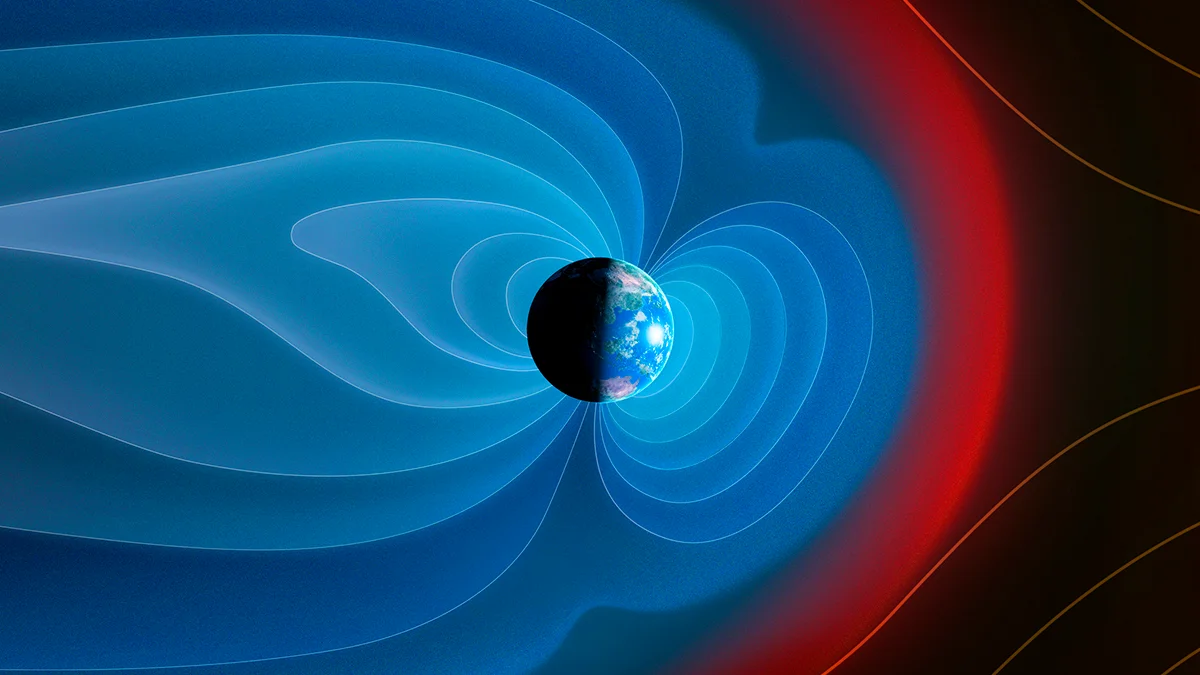
Earth's magnetic field, generated by the flow of molten metallic material in the outer core, has shifted and reversed in polarity many times in the past due to fluctuations caused by the movement of metallic material in the outer core. During periods of low geomagnetic field intensity, the atmosphere is more exposed to solar wind and cosmic rays, with potential impacts on technology and civilization. While there is no significant evidence linking mass extinctions to geomagnetic polarity reversals, the sporadic nature of these variations means their exact timing cannot be predicted, posing potential risks to society and technology.

Exploring Earth's Magnetic Mysteries Through Volcanoes
science2 years ago

Exploring Earth's Magnetic Mysteries Through Volcanoes

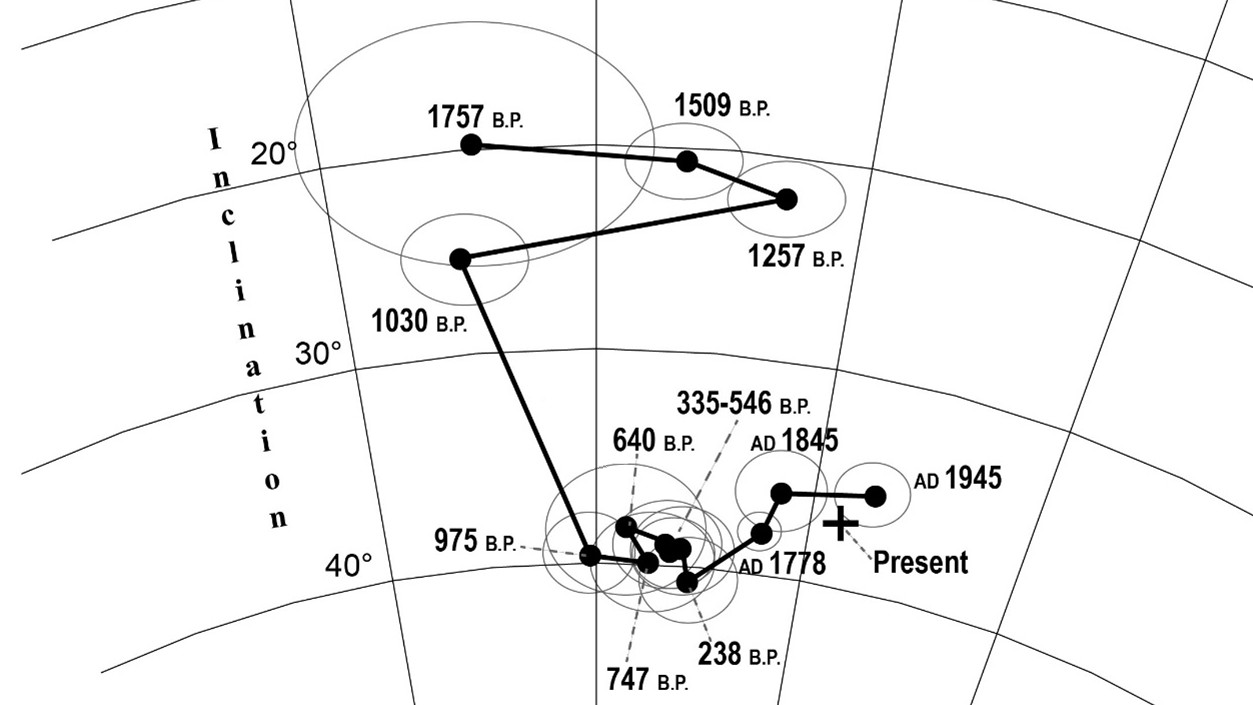
Paleomagnetism is the study of the Earth's ancient magnetic field, preserved in rocks, minerals, and sediments. By analyzing these preserved records, scientists can reconstruct the movements of tectonic plates, study the Earth's magnetic field reversal events, gain insights into past climates, and reconstruct the geologic histories of volcanoes. Duane Champion, a USGS scientist, made notable contributions to the field of paleomagnetism, enabling more accurate dating of eruptive activity and unlocking some of Pele's secrets in Hawaii.

The Erasure of Ancient Meteorite Data by Humans.
science-and-technology3 years ago

The Erasure of Ancient Meteorite Data by Humans.

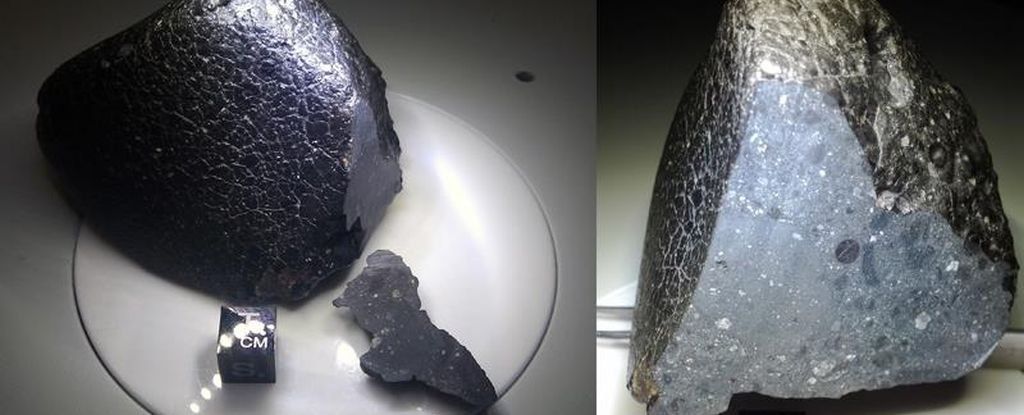
The use of neodymium magnets to validate meteorites is inadvertently erasing invaluable information locked inside ferromagnetic minerals, according to scientists from MIT and Paris Cité University. Many meteorites have a significant iron content, meaning important data on the way magnetic fields in space have altered these meteorites over billions of years is being lost. The study of these records is known as paleomagnetism, and scientists use them to understand the history of Earth's magnetic field and how it has evolved and changed over time. The research has shown that magnetic disruption is progressive, and follows a similar demagnetization curve, allowing scientists to find samples that retain fossilized magnetic fields, either from planetary processes, or the Solar System itself.