Tag

Paralysis

All articles tagged with #paralysis

Single Brain Implant Enables Simultaneous Speech and Gesture Decoding in Paralysis
science2 months ago

Single Brain Implant Enables Simultaneous Speech and Gesture Decoding in Paralysis

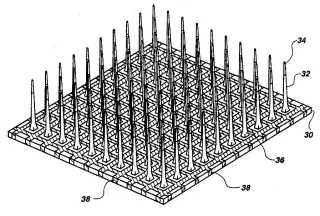
Researchers at the University of California, San Francisco, have demonstrated that a single high-density electrocorticography implant can simultaneously decode intended speech and hand gestures in individuals with paralysis. By training machine learning models on both isolated and concurrent behavioral data, the system achieved high accuracy in controlling a personalized virtual avatar. This proof-of-concept suggests that future brain-computer interfaces could restore natural, multimodal communication for patients who have lost both vocal and motor function.
UCSF Study: Single Brain Implant Decodes Speech and Gestures Simultaneously
science-and-technology2 months ago

UCSF Study: Single Brain Implant Decodes Speech and Gestures Simultaneously

Researchers at the University of California, San Francisco (UCSF) have demonstrated a brain-computer interface (BCI) that decodes both speech and physical gestures simultaneously. Published in Nature Neuroscience on September 14, 2026, the study shows that a single implant can translate neural activity into text and animate a digital avatar, addressing a gap in current BCI technology that typically restores only one communication mode at a time. The system uses machine learning to distinguish overlapping neural signals, offering a potential path toward more natural, multifunctional communication for people with severe paralysis.

New Brain Implant Restores Simultaneous Speech and Gesture for Paralyzed Patients
health2 months ago

New Brain Implant Restores Simultaneous Speech and Gesture for Paralyzed Patients

A new brain-computer interface (BCI) allows individuals with severe paralysis to communicate via speech and gestures simultaneously. Developed by researchers at the University of California, San Francisco, the system uses an implanted sensor array to decode neural signals, enabling users to control a virtual avatar that mimics their intended words and movements. This marks a significant advancement over previous BCIs, which typically supported only one mode of communication at a time.

Paralyzed Man Regains Arm Movement and Touch After Double Neural Bypass
science4 months ago

Paralyzed Man Regains Arm Movement and Touch After Double Neural Bypass

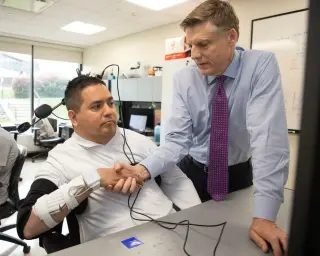
Keith Thomas, paralyzed from the chest down after a 2020 pool accident, regained arm and hand control plus tactile sensation through a double neural bypass that links his brain to arm nerves and uses finger sensors. After 35 weeks of training, arm strength improved 86% on the right and 62% on the left, enabling actions like scratching his nose and gripping objects, and letting him feel things like his dog’s fur. The findings, detailed in Nature, highlight the potential of brain–computer interface technology to restore movement and touch for people with paralysis.

Neural bypass restores feeding and touch in paralyzed man
technology4 months ago

Neural bypass restores feeding and touch in paralyzed man

A paralyzed man who was injured in 2020 can now feed himself, drink from a cup, and feel his dog’s fur thanks to a double neural bypass that uses implanted electrodes to translate intention to move from the brain to arm muscles and sensors on the fingers to relay touch back to the brain. After 35 weeks of training, his right-arm strength rose 86% and his left 62%; gains persisted even when the device is off and have endured for more than two years, highlighting durable improvements and the promise of brain–computer interfaces for paralysis.

Brain-Computer Interface Restores Movement and Touch in Paralyzed Man
technology4 months ago

Brain-Computer Interface Restores Movement and Touch in Paralyzed Man

A man paralyzed from the chest down due to a 2020 diving accident regained the ability to feed himself and drink from a cup thanks to a brain-implant “double neural bypass” that routes movement signals from the brain to his arms and uses sensory feedback to recreate touch. After 35 weeks of training, his right arm was 86% stronger and his left 62% stronger, and he could perform tasks like scratching his nose and wiping his face; importantly, he began to feel touch again in previously numb areas. The effects persisted for over two years, but researchers caution that results from a single patient are preliminary and broader trials are needed to assess applicability across different injuries.

Waking gym-like pains lead to rare sarcoidosis diagnosis and paralysis
health5 months ago

Waking gym-like pains lead to rare sarcoidosis diagnosis and paralysis

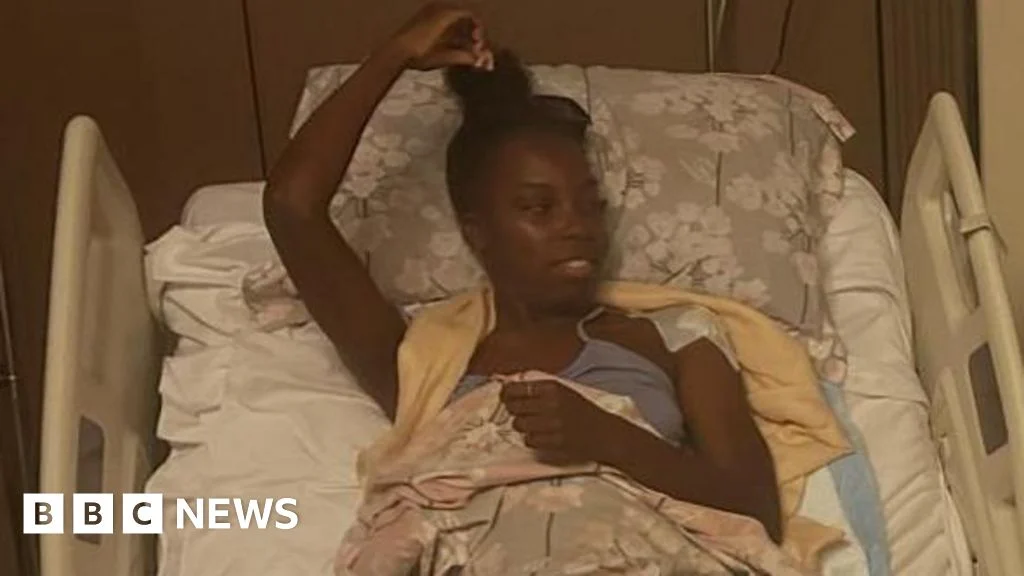
A 38-year-old woman woke with gym-style aches and rapidly lost movement in her legs and arm, later being diagnosed with extrapulmonary sarcoidosis that affects the limbs but not the lungs. After extensive testing and hospital care, she was treated with methotrexate before switching to adalimumab, moved back to the UK for ongoing care, and now relies on 24-hour support and a wheelchair during flare-ups. Her life has drastically shifted from travel and work to chronic pain and limited mobility, with ongoing treatment and limited medical literature on her condition.

China approves first commercial brain implant to restore hand movement in paralysis patients
technology8 months ago

China approves first commercial brain implant to restore hand movement in paralysis patients

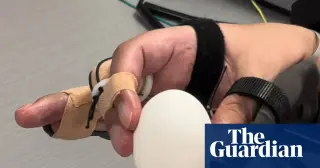
China has granted the first commercial authorization for a brain-computer interface device developed by Neuracle Medical Technology to help paralysis patients regain hand movement. The system detects intended movements from brain signals and drives a robotic glove via software, enabling grasping objects; eligibility is limited to adults 18-60 with paralysis for over a year and stable for at least six months. This milestone highlights China’s push into BCI tech as a national strategic priority, while rival efforts like Neuralink are targeting high-volume production in 2026.

Rexburg 4-Year-Old Faces Paralyzing Crash After Infant Recovery
local-news1 year ago

Rexburg 4-Year-Old Faces Paralyzing Crash After Infant Recovery

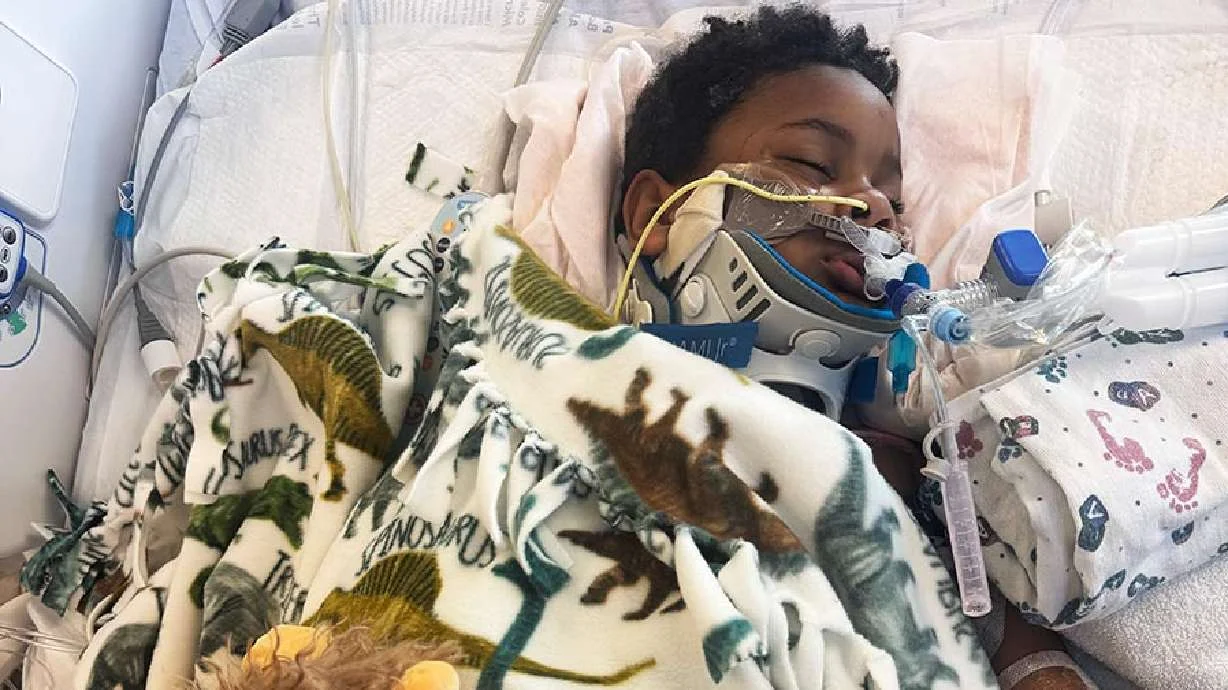
Four-year-old Carter Grover, who previously recovered from infant paralysis caused by transverse myelitis, is now paralyzed from the neck down after a severe car crash that injured his spinal cord. Despite grim medical prognoses, his family and community are rallying to support his recovery and care, highlighting his resilience and the family's strength.

Neuralink's First Patient Reflects on 18 Months with Brain Chip Implant
technology1 year ago

Neuralink's First Patient Reflects on 18 Months with Brain Chip Implant

Eighteen months after receiving Neuralink's brain chip, paralyzed man Noland Arbaugh has regained significant independence, using the device to interact with digital environments and pursue new educational and speaking opportunities, highlighting the potential of brain-computer interfaces to transform lives and raise profound ethical questions.

Neuralink's Human Trials Mark a New Era in Brain-Machine Integration
technology1 year ago

Neuralink's Human Trials Mark a New Era in Brain-Machine Integration

Noland Arbaugh, the first participant in Neuralink's experimental brain chip study, has experienced a transformative change in his life, gaining the ability to control devices with his mind, which has significantly improved his autonomy and quality of life. Neuralink's high-electrode, wireless brain-computer interface is advancing clinical trials aimed at helping those with paralysis or ALS, with Arbaugh now actively studying, working, and engaging in new pursuits thanks to the device.