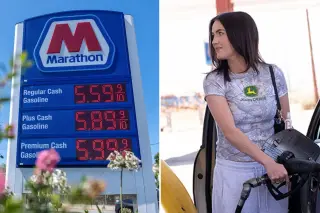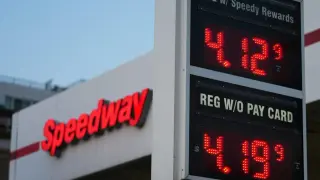
Rising gasoline costs are squeezing lower‑income households and nudging them toward cheaper fast‑food options, helping McDonald’s and Taco Bell gain share as drive‑thru and value menus become the more affordable dining choice.
The United States exported a record amount of crude in April (about 5.3 million bpd on average, peaking at 6.4 mbpd) as global supply gaps from the Iran conflict encouraged overseas sales, with SPR withdrawals totaling about 23 million barrels; despite the surge, Brent crude stayed above $100 and WTI near $95, and the national gas price hovered around $4.54/gal. Analysts say keeping more oil in the US won’t automatically lower pump prices due to refinery capacity limits and global pricing, and future prices depend on how long Middle East disruptions last and whether producers increase output.
A new AP-NORC poll shows about 60% of Americans believe U.S. military action in Iran has gone too far, with rising concern about gas costs and broad support for preventing Iran from obtaining a nuclear weapon. Trump’s overall approval remains steady, but the war could become a political liability, as most Americans oppose expanding the conflict, prefer keeping oil prices low, and show party-line differences on escalation.
A CBS News/YouGov poll of 3,335 U.S. adults (Mar 17–20, 2026) finds Americans want Iran’s nuclear program halted, the Iranian people freed, and deem it unacceptable to end the conflict with the regime still in power. They want the war to end quickly, but rising gas prices and concerns about the economy temper optimism, with many viewing the action as a war of choice and calling for more explanation from the Trump administration. Views on duration vary, and disapproval grows as the conflict drags on, while MAGA Republicans broadly back the president.
U.S. crude surged above $100 a barrel and Brent around $106 as the Iran-related conflict shows no sign of ending, even after the IEA released a record 400 million barrels to calm markets. Prices have climbed about 50% since the war began, with national gas averages near $3.70 per gallon. Ongoing fears over the Strait of Hormuz and Iranian attacks suggest the rally could continue, while officials discuss potential tanker escorts but provide few details.
Oil prices surged over 7% after the IEA warned the U.S.–Israel conflict with Iran has caused the largest supply disruption in global oil markets, with the Strait of Hormuz at risk of prolonged closure. Brent crude topped $100 a barrel and U.S. crude traded above $95 as stocks fell and gasoline costs rose. The IEA and allies coordinated a 400-million-barrel release, including 172 million barrels from the U.S., but analysts say prices could remain elevated or rise further if flows stay constrained.
The California Air Resources Board approved new clean air standards expected to raise gas prices, sparking criticism from lawmakers over transparency and environmental groups for insufficient pollution reduction. The updated Low Carbon Fuel Standard aims to cut transportation emissions by 30% by 2030, adding costs to oil refiners likely passed to consumers. Despite concerns over affordability and transparency, the standards are seen as crucial for transitioning to electric vehicles, with ongoing oversight promised to address potential negative impacts.
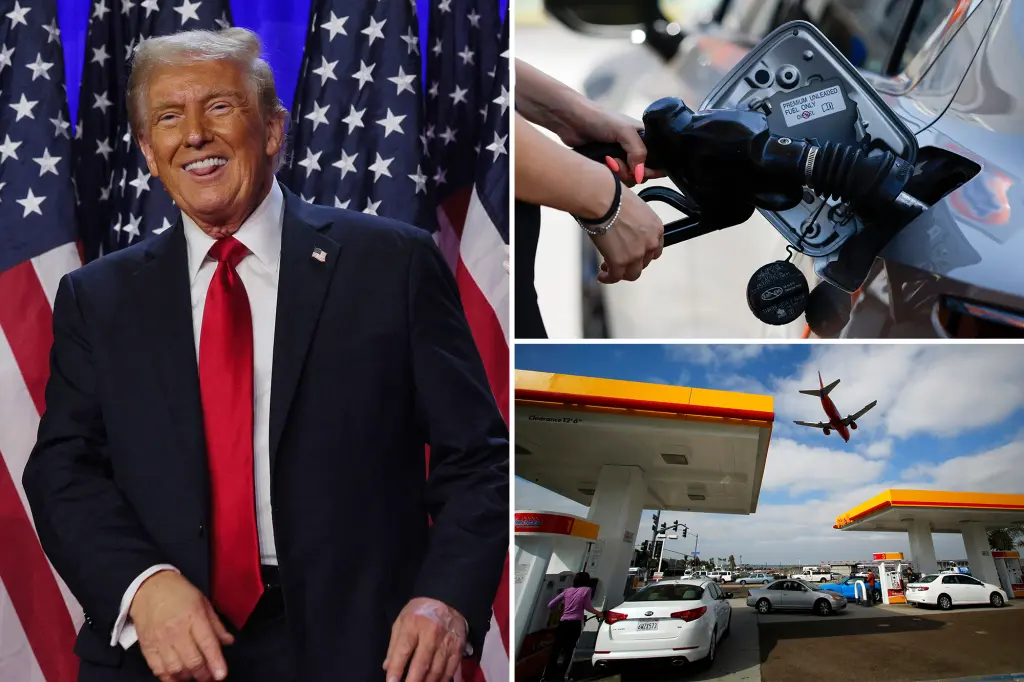
The re-election of former President Trump could benefit oil companies by rolling back regulations, but may also lead to higher gas prices if he imposes stricter sanctions on Iran, affecting global oil supply. Analysts suggest that while US refining capacity has not returned to pre-pandemic levels, potential geopolitical tensions could cause price spikes. However, gas prices are expected to remain around $3 per gallon, with possible decreases by the end of the year.
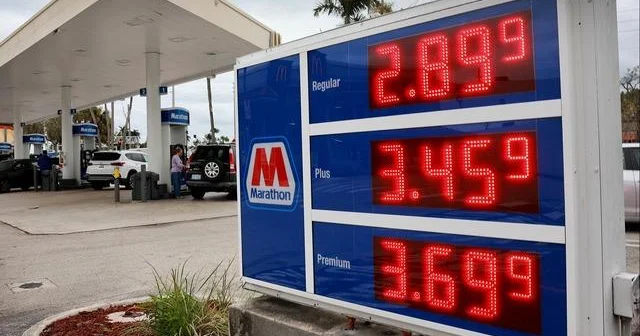
Gas prices in the U.S. have dropped below $3 a gallon at the majority of stations, a level not seen since May 2021. This decrease is influenced by seasonal factors such as weak post-holiday demand and is expected to last until refineries begin maintenance and switch to costlier blends. Despite brief oil market disruptions due to tensions in the Red Sea and Houthi rebel attacks, oil prices remain subdued, with Brent crude around $76.54 a barrel and U.S. crude at $70.96. The current low gas prices, including diesel falling below $4 a gallon, are beneficial for the economy by reducing shipping costs. However, prices are anticipated to rise again by Memorial Day, potentially increasing by 35 to 85 cents per gallon.
The U.S. Energy Information Administration forecasts that electricity generation from solar and wind will surpass coal for the first time in 2024, with solar expected to see a 39% increase from 2023. This shift towards renewable energy sources is set to reduce the carbon footprint of electric vehicles (EVs), making them even more environmentally friendly. Concurrently, Gas Buddy predicts that U.S. gas prices will average $3.38 per gallon in 2024, a decrease from the 2023 average, potentially saving Americans $32 billion in fuel costs. However, the impact on EV drivers is uncertain due to recent electricity price hikes, which could affect the cost advantage of EVs over gasoline vehicles despite the anticipated drop in gas prices.