Tag

Petm

All articles tagged with #petm

Ancient CO2 spike felled forests—what PETM teaches today’s trees
science10 days ago

Ancient CO2 spike felled forests—what PETM teaches today’s trees

Researchers studying the Paleocene–Eocene Thermal Maximum (~56 million years ago) show a rapid CO2 rise caused 5–9°C warming and a forest collapse: initial canopy gains were followed by a 61% drop in leaf-area index, fern-dominated landscapes, and long-lasting reduction in carbon storage, illustrating how heat can override CO2 fertilization—an alarming parallel for today’s warming forests.

Ancient Wyoming forests took 100,000 years to rebound from PETM-like warming
science12 days ago

Ancient Wyoming forests took 100,000 years to rebound from PETM-like warming

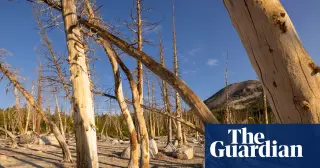
A Wyoming fossil study shows forests during the Paleocene–Eocene Thermal Maximum lost about 60% of their canopy as temperatures spiked, with canopy recovery taking over 100,000 years. By analyzing fossil leaf cuticles and soils, researchers linked leaf cell shape to canopy density, revealing how forest structure controlled light, temperature, water flow, and carbon storage. The finding is a cautionary tale for today: higher CO2 can boost growth only within the trees’ temperature and moisture limits, and rapid modern warming may push forests beyond thresholds that require millennia to recover.

Ancient CO2 surge browns forests, underscoring risks of fossil-fuel emissions
environment12 days ago

Ancient CO2 surge browns forests, underscoring risks of fossil-fuel emissions

A new study of fossilized leaf cuticles from the Paleocene-Eocene Thermal Maximum shows forests thickened briefly but then collapsed as CO2 rose, browning the planet rather than greening it; the current rapid carbon release, with heat and drought, threatens widespread tree mortality and may outpace recovery, underscoring the need to curb fossil fuel use.

Arctic Ocean Methane Release Accelerated Global Warming
science10 months ago

Arctic Ocean Methane Release Accelerated Global Warming

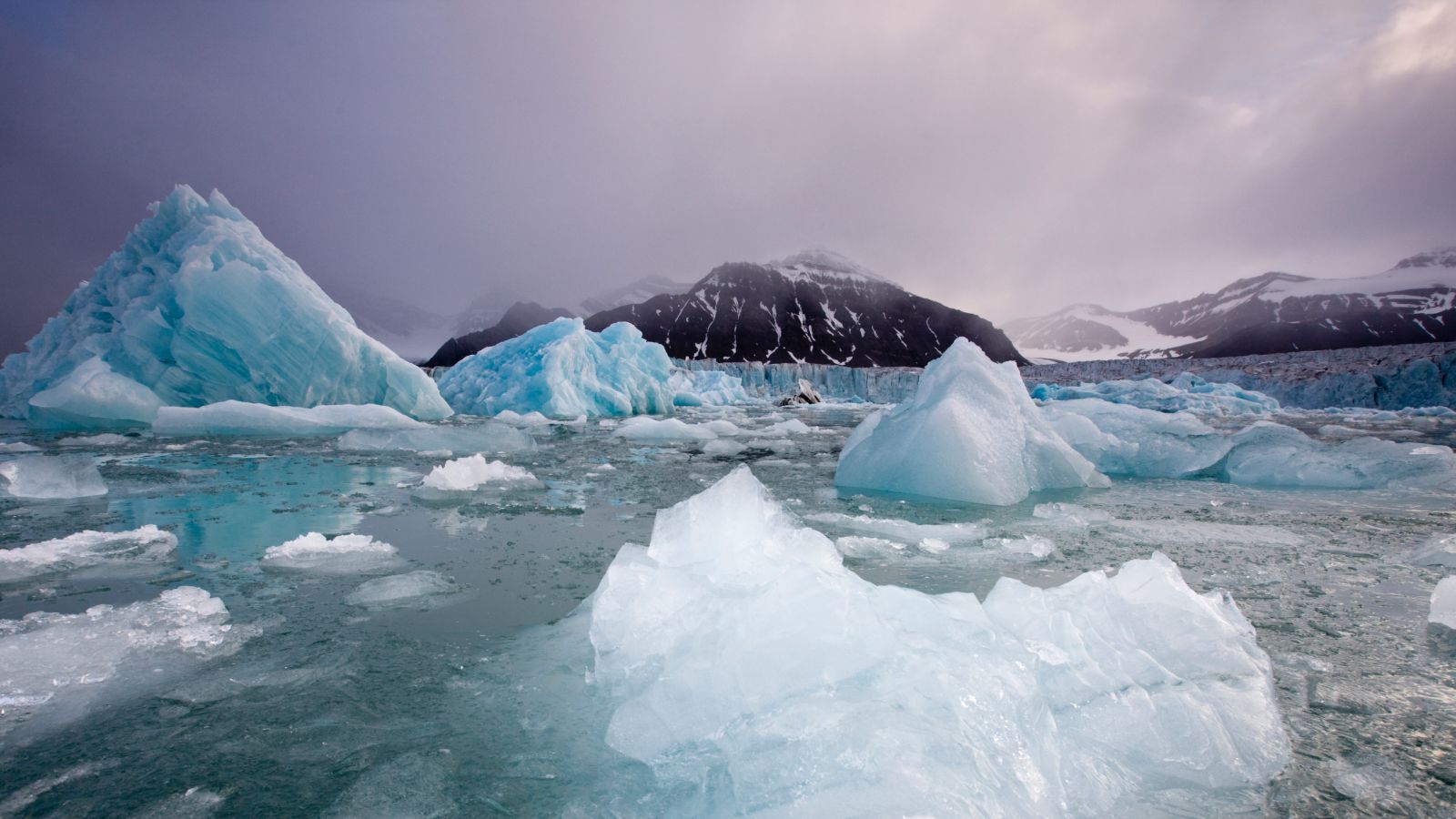
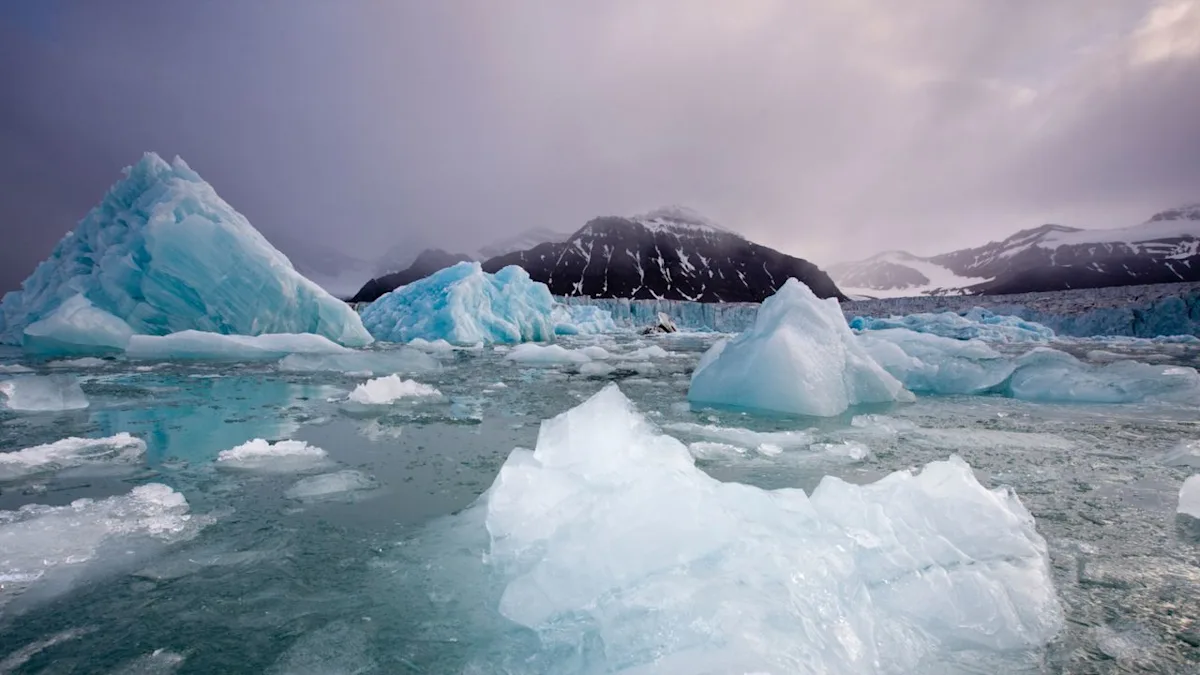
Scientists have discovered that the Arctic Ocean was a major source of greenhouse gases during a past rapid warming event 56 million years ago, involving a switch from methane-consuming microbes that produce bicarbonate to those that produce CO2, potentially contributing to ocean acidification and warming. This historical methane cycle shift could recur today as Arctic warming and oxygen levels change, possibly accelerating climate change.

Arctic Ocean Methane Release Accelerated Global Warming
science10 months ago

Arctic Ocean Methane Release Accelerated Global Warming

Researchers have found that during the Paleocene-Eocene Thermal Maximum 56 million years ago, a switch in methane-consuming microbes in the Arctic Ocean led to increased methane release, which contributed to rapid global warming. This historical event provides insights into how similar microbial shifts today could accelerate climate change as Arctic conditions warm and oxygen levels decrease.

Did a Passing Star Trigger Earth's 56-Million-Year Warming?
science1 year ago

Did a Passing Star Trigger Earth's 56-Million-Year Warming?

Recent research suggests that passing stars, or stellar flybys, did not influence Earth's climate over the past 56 million years, including during the Paleocene-Eocene Thermal Maximum, when significant global warming occurred. Advanced models incorporating comprehensive Solar System dynamics show no link between stellar flybys and climate shifts, challenging earlier hypotheses that such events triggered major climatic changes.