Tag

Electron

All articles tagged with #electron

technology19 days ago

Electron Embraces Wayland with Native Linux Support

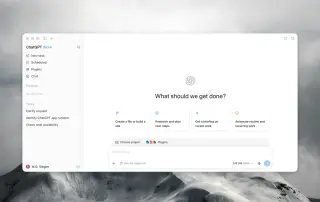
Electron now ships with improved Wayland support on Linux, aligning with Chromium defaults and reducing reliance on XWayland. Upstream work on Chromium/CEF, plus dedicated Electron CI for Wayland, helps ensure compatibility, though some APIs differ from X11. Benefits include better color, HDR, and hardware-accelerated rendering, while features like client-side decorations remain areas for ongoing work.

Molecular vibrations act as a 'catapult' for ultrafast electron transfer in organic solar cells
physics-and-mathematics20 days ago

Molecular vibrations act as a 'catapult' for ultrafast electron transfer in organic solar cells

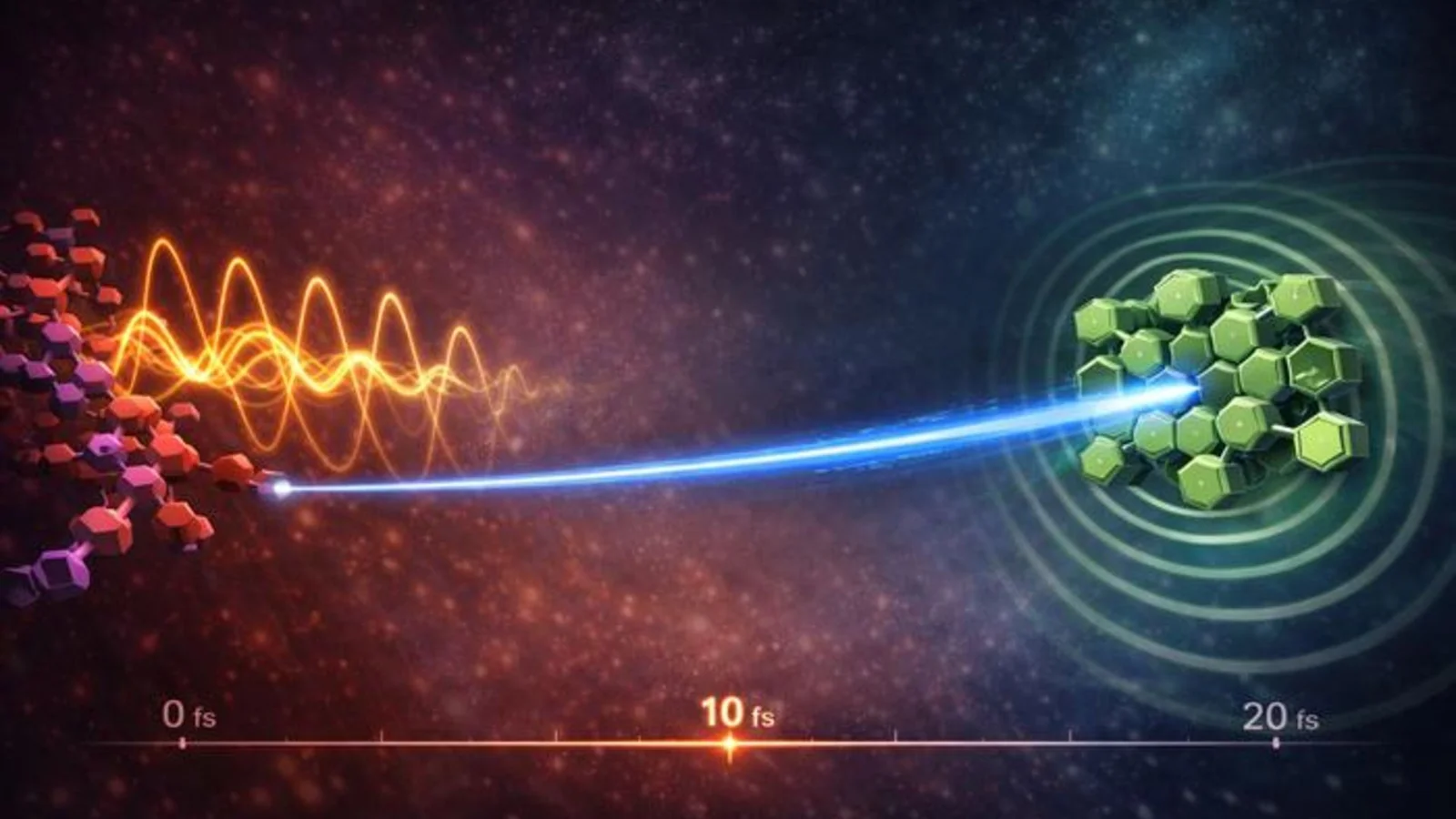
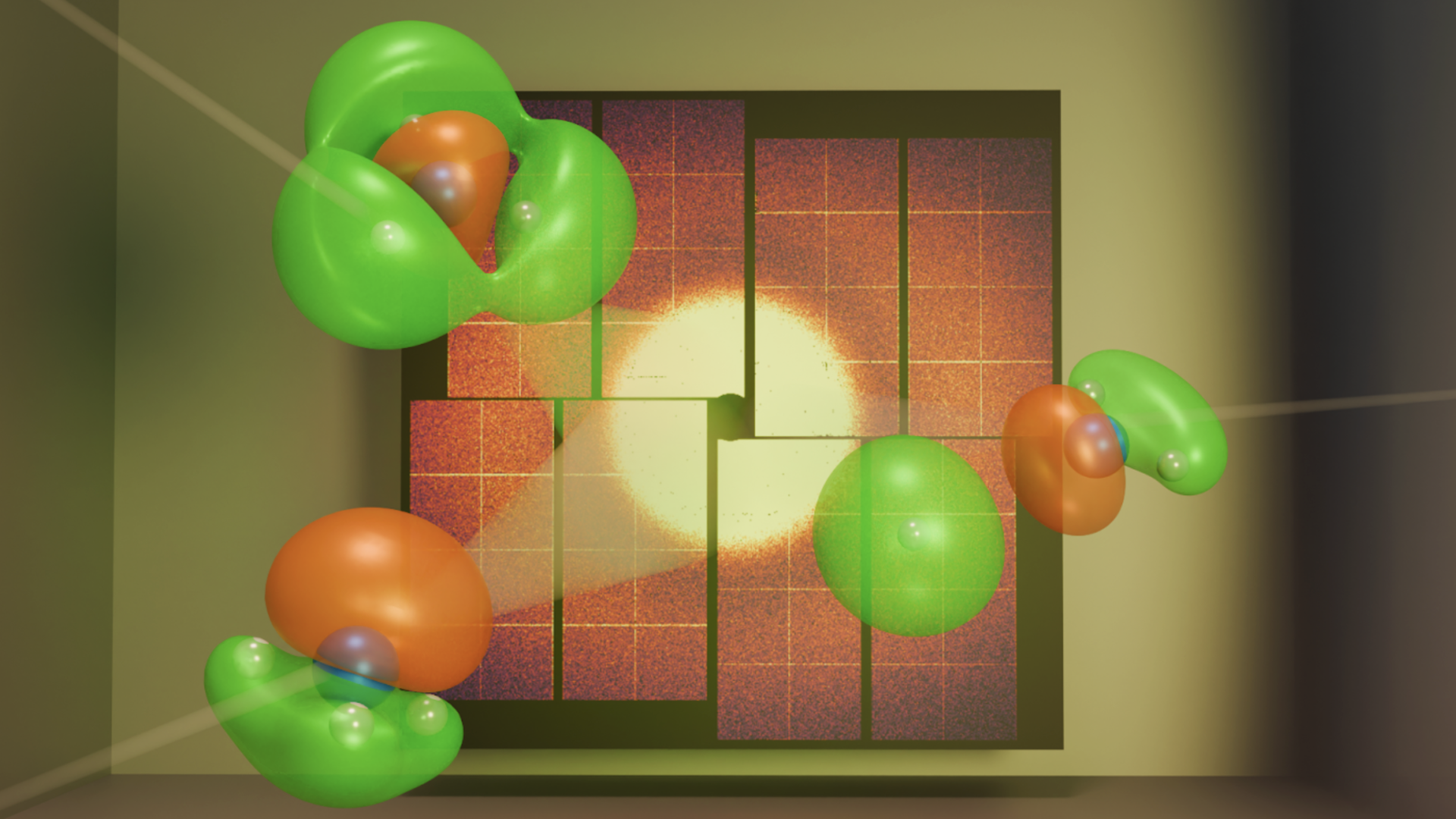
Researchers show ultrafast charge transfer at a donor–acceptor junction in an organic solar cell, where vibrations of the donor polymer launch an electron across the junction in about 18 femtoseconds. This vibronic mechanism acts like a molecular catapult, enabling faster, more coherent charge transfer than thought possible and suggesting new design strategies that exploit, rather than suppress, molecular motion to improve organic solar cell efficiency.

technology1 month ago

Claude's Electron Choice: Speed, Familiarity, and the Cross-Platform Tradeoff

Anthropic explains Claude Desktop uses Electron because engineers are familiar with web tech, it helps maintain UI parity across web and desktop, and accelerates cross‑platform iteration. The discussion centers on the tradeoffs between development speed and performance, with users and commenters debating whether a native or lighter framework would yield better UX, despite Electron’s broad reach. The thread also touches on Claude Code, GPU/driver considerations, and the ongoing question of whether future work will move toward native implementations or alternative cross‑platform solutions.

Microsoft launches Windows App Development CLI to streamline cross-framework Windows apps
technology2 months ago

Microsoft launches Windows App Development CLI to streamline cross-framework Windows apps

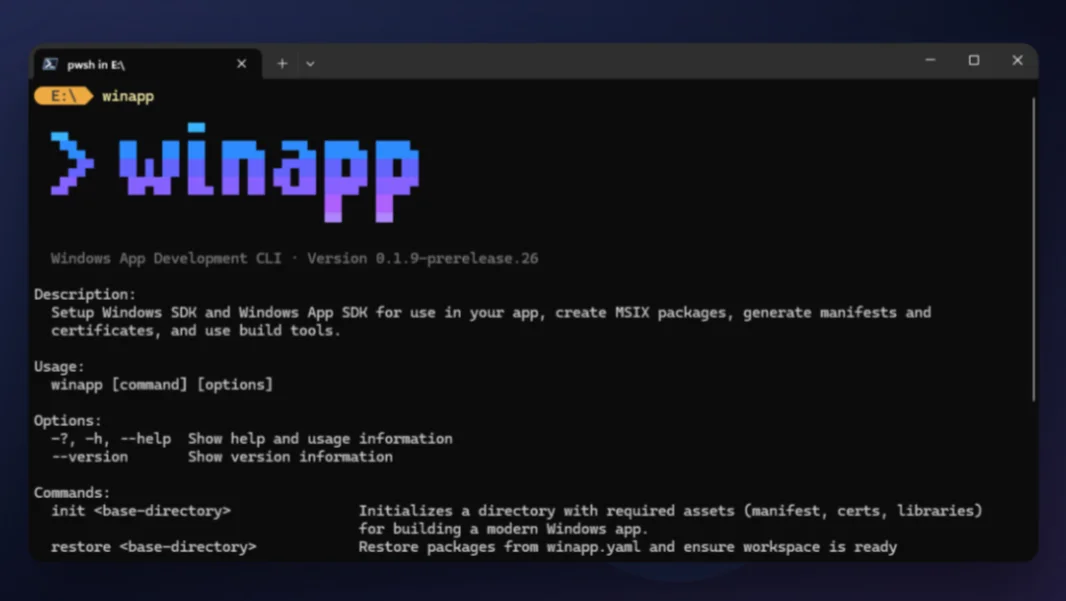
Microsoft released the Windows App Development CLI (winapp) in public preview, an open-source tool that automates environment setup, package identity, manifest and certificate creation, and MSIX packaging for Windows apps across frameworks, with Electron integration and initial support for generating C++/WinRT projections.

Unraveling the Secrets of Attoseconds: Nobel Prize-Winning Research Explained
science-and-technology2 years ago

Unraveling the Secrets of Attoseconds: Nobel Prize-Winning Research Explained

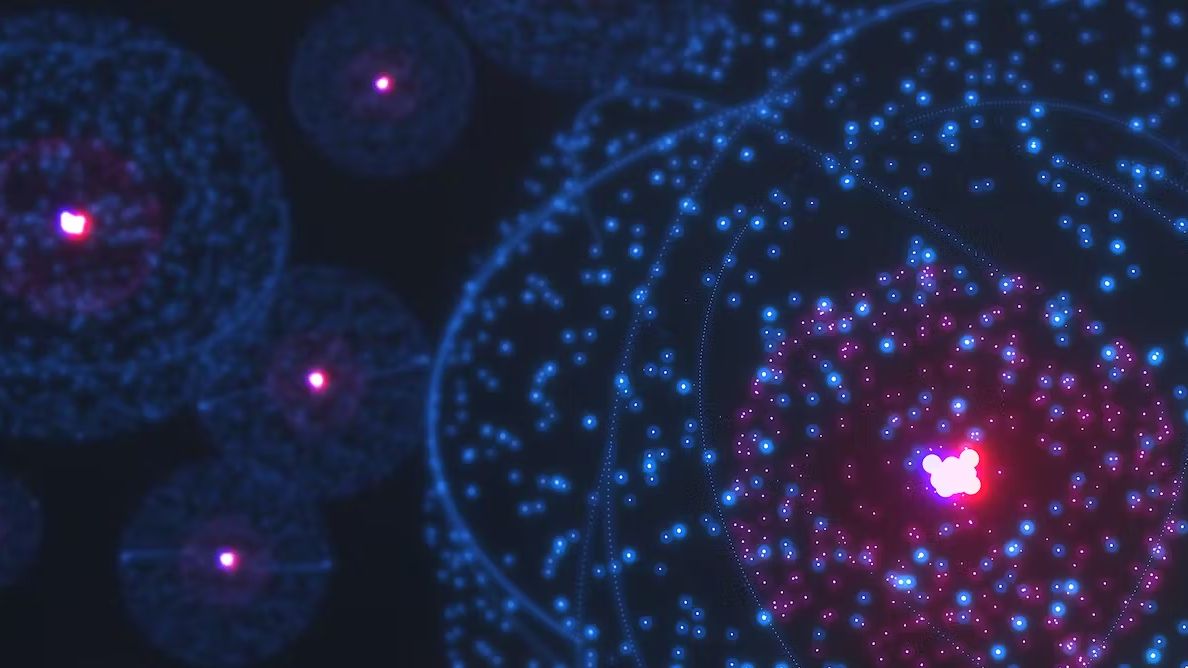
Attosecond pulses of light, which last for 0.000000000000000001 of a second, have revolutionized the study of electrons and chemical reactions. By generating attosecond light pulses, scientists can observe electron behavior in real time, allowing them to study processes such as the breaking of chemical bonds. This research has earned three physicists the 2023 Nobel Prize in physics. Attosecond spectroscopy has also provided insights into electron behavior in single molecules and has been applied to studying electron transfer in various materials. As researchers continue to improve their ability to generate attosecond light pulses, they will gain a deeper understanding of the fundamental particles that make up matter.

Rocket Lab's Electron Reuse Attempt and SpaceX's Starlink Missions Highlight Latest Launch Roundup
space2 years ago

Rocket Lab's Electron Reuse Attempt and SpaceX's Starlink Missions Highlight Latest Launch Roundup

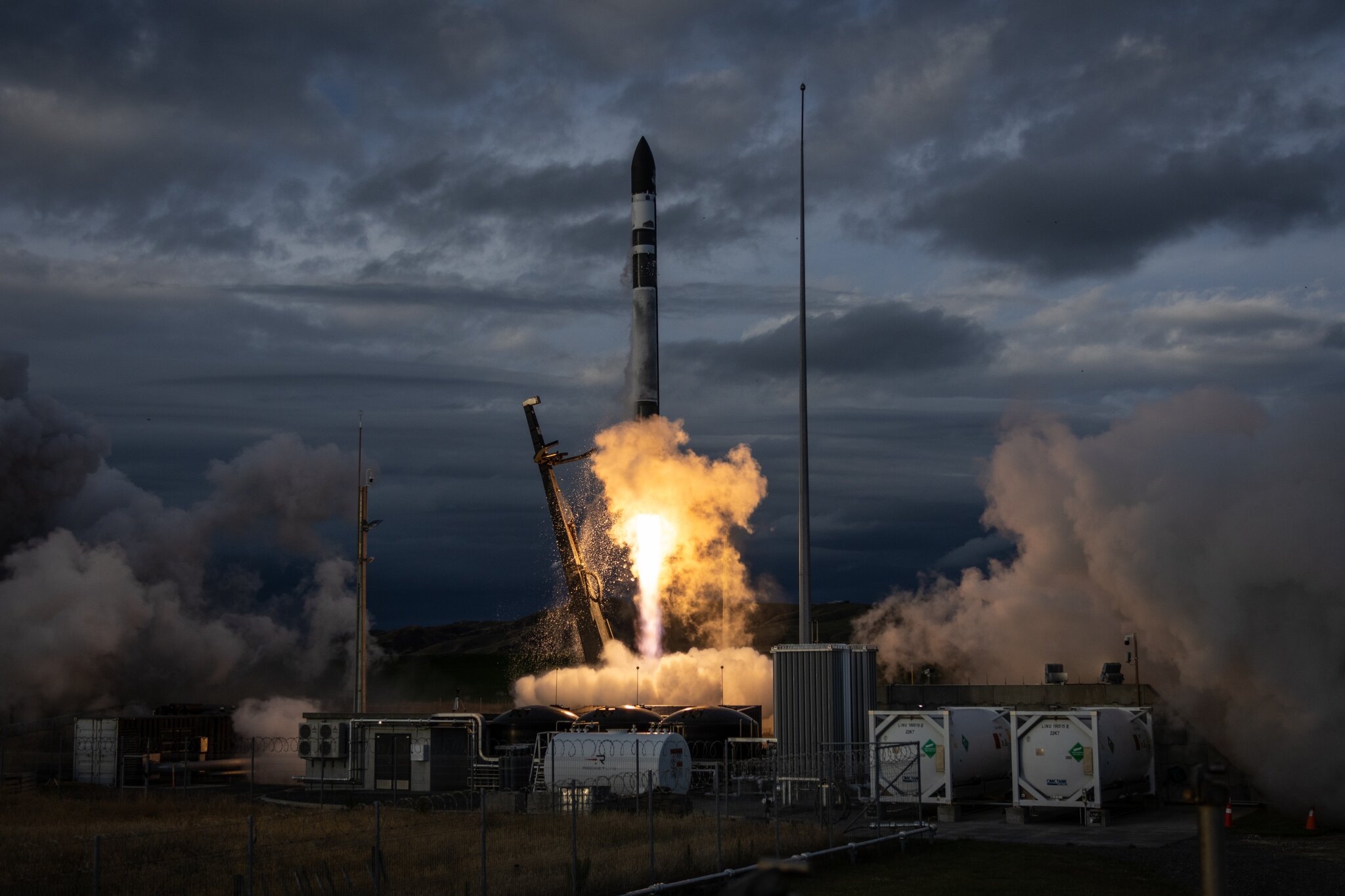
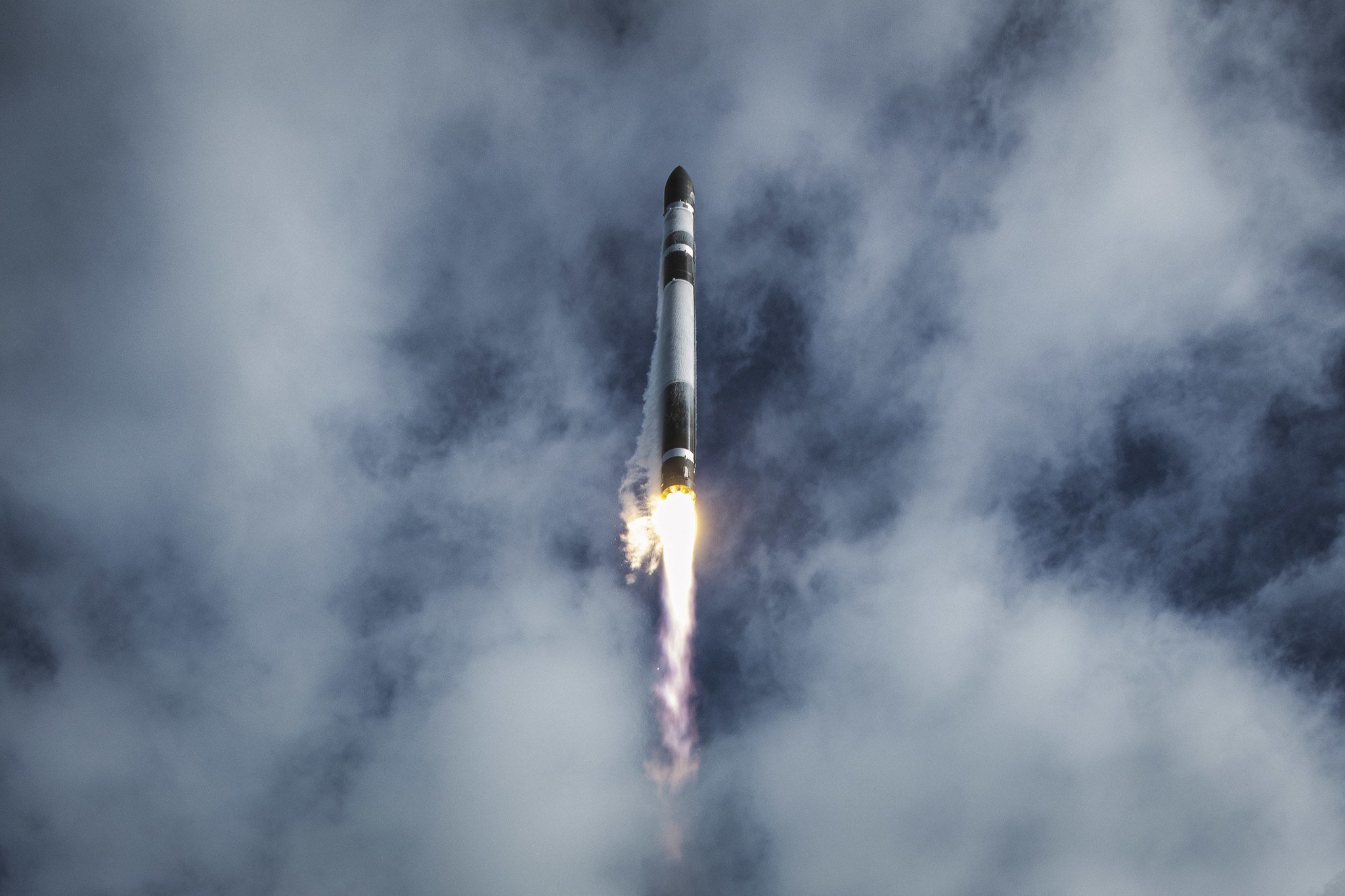
Rocket Lab successfully launched their 39th Electron mission, attempting to recover the first stage for the first time. SpaceX is set to launch two Starlink v2 missions, including the first launch of v2 Mini satellites from Vandenberg. Chinese company CASIC will launch a Kuaizhou 1A rocket with an unknown payload. The global launch count for 2023 may reach a record-breaking 195 orbital flights.

Rocket Lab's Electron launch marks significant progress in reusability efforts
space2 years ago

Rocket Lab's Electron launch marks significant progress in reusability efforts

Rocket Lab is making upgrades to its Electron rocket for its upcoming "Baby Come Back" mission, bringing the company closer to reusing its first stage. The rocket will now descend under a parachute and splash down for recovery by a ship, instead of mid-air capture. The changes include improvements to the vehicle's watertightness, a two-point lifting method for recovery, and a lighter parachute optimized for splashdown recovery. Rocket Lab is taking a methodical approach to reusability and plans to make incremental steps towards full reuse. Reusability is seen as an important economic lever for the company, but not an urgent requirement.

"Groundbreaking Measurement of Electron's Topological Spin Unveiled by Physicists"
physics2 years ago

"Groundbreaking Measurement of Electron's Topological Spin Unveiled by Physicists"

Physicists have successfully measured the topological spin winding of electrons for the first time by studying the behavior of electrons in kagome metals. Kagome metals are materials with unique quantum properties due to their physical shape. The study of these properties could advance our understanding of superconductors and other systems containing strongly correlated electrons. The researchers used spin angle-resolved photoemission spectroscopy to investigate the electronic structure of a kagome metal and confirmed the existence of a gap between two electronic bands. This gap gives rise to a property called topological quantum spin curvature, which is related to the curved space in which electrons reside. The findings contribute to the field of quantum geometry and may provide insights into the physics of quantum materials.

Breakthrough Measurement Reveals Unprecedented Details of Electron's Dipole Moment and Topological Spin
physics2 years ago

Breakthrough Measurement Reveals Unprecedented Details of Electron's Dipole Moment and Topological Spin

Scientists at the University of Colorado have achieved the most precise measurement to date of an electron's electric dipole moment (EDM), which indicates a breaking of symmetry and could help explain the imbalance of matter and antimatter in the universe. The measurement, conducted using an intricate experimental setup, set an upper bound for the EDM that is 2.4 times higher than previous measurements and around 1 billion times larger than predicted by the Standard Model of particle physics. Understanding the electron's EDM at a precise level is crucial in the search for undiscovered particles that violate charge-parity symmetry and could provide insights into the predominance of matter over antimatter.

Rocket Lab's Successful Suborbital Launch and Upcoming Mystery Mission
space2 years ago

Rocket Lab's Successful Suborbital Launch and Upcoming Mystery Mission

Rocket Lab successfully launched the first suborbital variant of its Electron vehicle, called Hypersonic Accelerator Suborbital Test Electron (HASTE), from Wallops Island, Virginia. The company did not disclose the payload or other details about the flight, and the launch was not announced in advance or broadcasted. Rocket Lab plans to launch HASTE exclusively from Wallops and expects strong demand from the Defense Department for hypersonics testing and targets.