
Tag

Planetary Chemistry

All articles tagged with #planetary chemistry

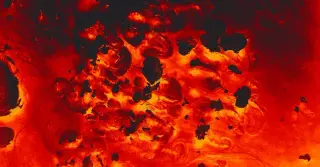
Sub-Neptunes Could Forge Oceans from Within
space4 days ago

Sub-Neptunes Could Forge Oceans from Within

A Nature study shows that many planets called sub-Neptunes can synthesize their own water deep inside, by hydrogen in their thick atmospheres reacting with molten rock to produce H2O. If common, this could make water much more widespread in the galaxy and not just delivered by comets or asteroids. However, the water forms interiorly and may not always become a surface ocean, and these results are experimental/theoretical, requiring integration into formation models and observational tests to assess implications for habitability.
"Uncovering the Origins of Life: The Role of Soda Lakes"
science2 years ago

"Uncovering the Origins of Life: The Role of Soda Lakes"

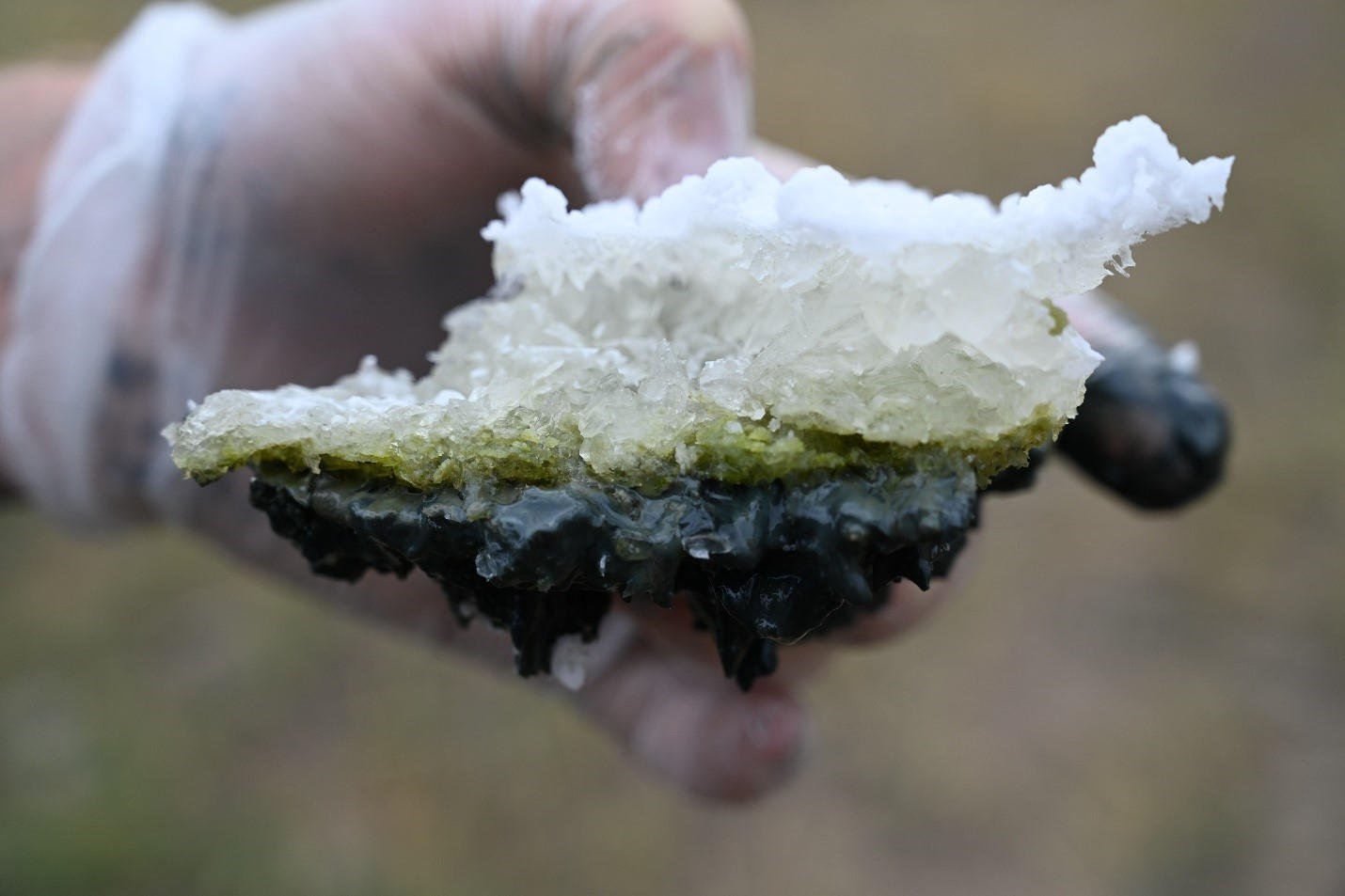
New research from the University of Washington suggests that shallow "soda lakes" in western Canada could have provided the right conditions for the emergence of life on early Earth, addressing the "phosphate problem" for the origin of life. These lakes, with high levels of dissolved sodium, carbonate, and phosphate, may have concentrated phosphate to levels up to 1 million times higher than in typical waters, potentially offering a solution to the emergence of biological molecules. The study also indicates that soda lakes could have implications for the emergence of life on other planets, such as early Mars and Venus, where similar water chemistry could have occurred.

Webb telescope analyzes chemistry of hot gas giant's atmosphere.
astronomy3 years ago

Webb telescope analyzes chemistry of hot gas giant's atmosphere.

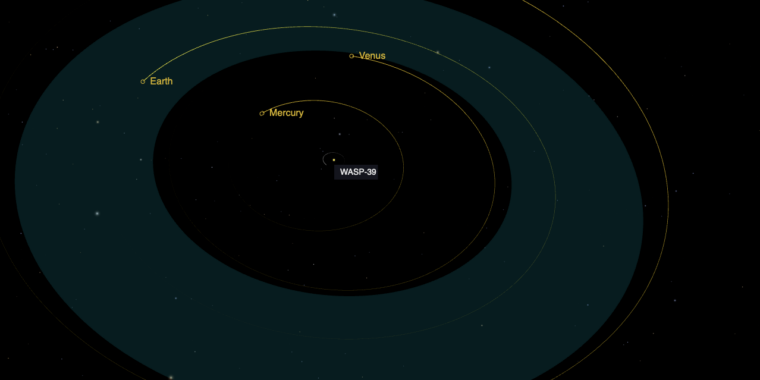
Scientists have used data from the Webb Space Telescope to infer the chemistry of exoplanet WASP-39b, a hot gas giant located about 700 light-years from Earth. The planet's atmosphere contains carbon dioxide and sulfur dioxide, which is unexpected for a hydrogen-rich gas giant. The findings suggest that there are things going on in exoplanets that we wouldn't see in our own Solar System.