Tag

Predator Avoidance

All articles tagged with #predator avoidance

Butterfly Wings Exploit Human Vision Flaws to Evade Predators
science1 month ago

Butterfly Wings Exploit Human Vision Flaws to Evade Predators

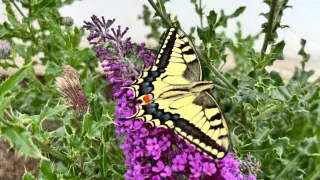
A new study in Nature reveals that butterfly wing patterns function as 'motion dazzle,' exploiting visual processing biases to confuse predators. By combining specific stripe patterns with flight dynamics, butterflies create illusions similar to a spinning barber pole, making it difficult for birds to accurately gauge speed and direction. This mechanism explains why brightly colored butterflies survive despite lacking traditional camouflage, as the illusions disrupt the final milliseconds of a predator's attack.

Prime Cycles: How 13- and 17-Year Cicadas Outsmart Predators
science5 months ago

Prime Cycles: How 13- and 17-Year Cicadas Outsmart Predators

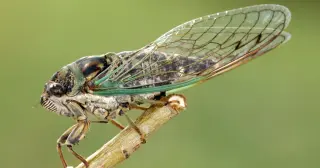
Two vast broods of periodical cicadas—Brood XIX (13-year) and Brood XIII (17-year)—emerged simultaneously across the eastern U.S. in 2024, the first such event since 1803, with next co-emergence not until 2245. The 13- and 17-year cycles are prime numbers, a fitness strategy explained as reducing overlap with predators’ shorter life cycles, a concept supported by predator-avoidance theory and, in part, by hybridization hypotheses. In mass emergences, predator satiation further boosts cicada survival, making these prime cycles a striking example of how a mathematical property can influence evolution.}

Tiny hummingbird chick mimics poisonous caterpillar to deter predators
animals10 months ago

Tiny hummingbird chick mimics poisonous caterpillar to deter predators

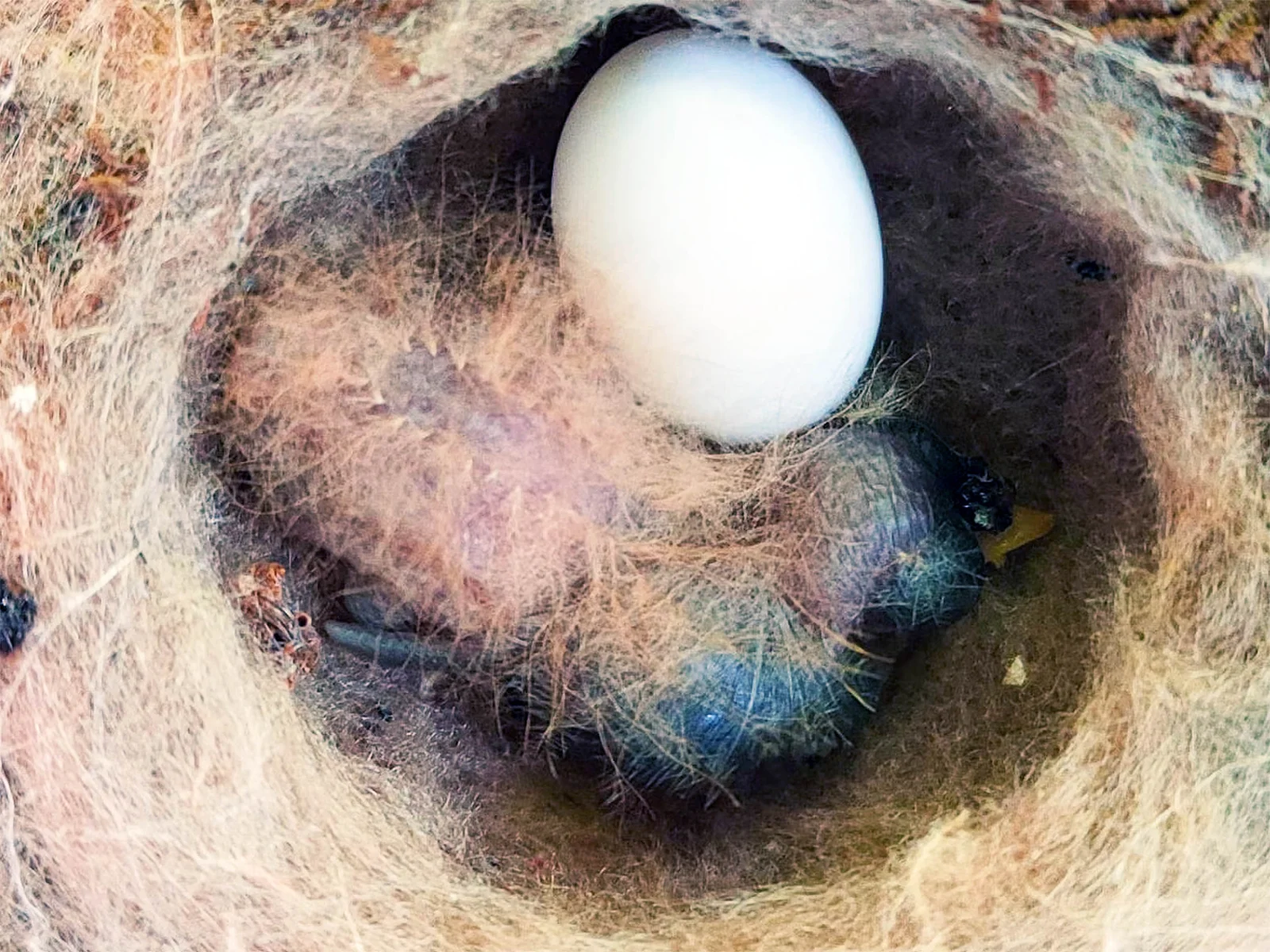
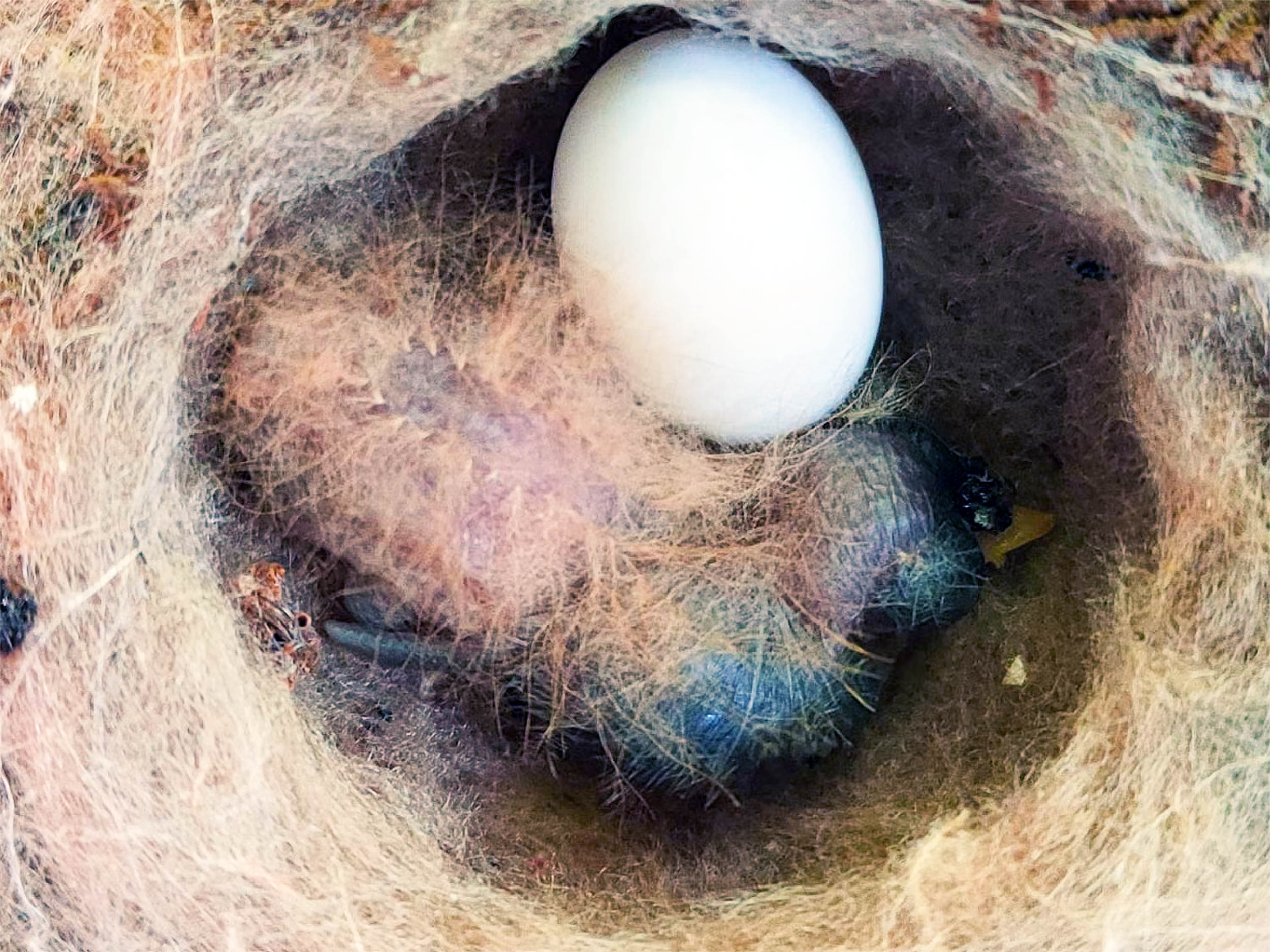
In a Panama rainforest, a white-necked jacobin hummingbird chick about one inch long was observed flicking and twisting to mimic a poisonous caterpillar, scaring away wasps and other predators. Scientists say this may be the first clear record of caterpillar-like mimicry in a hummingbird, a potential Batesian strategy to boost nest survival in predator-rich tropical forests; further experiments with artificial chicks are planned to test which colors or movements elicit attacks.