A newcomer to the Polymarket prediction market is betting big that Russian President Vladimir Putin will step down by year-end, as Ukraine's drone strikes deepen into Russian territory and odds on his downfall rise.
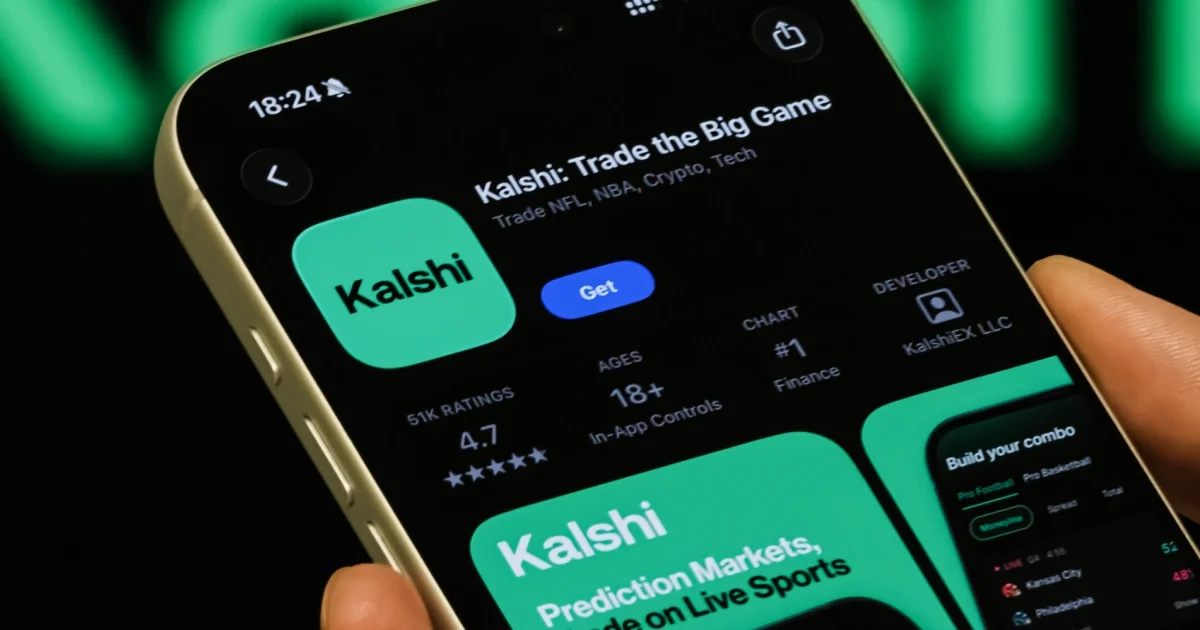
Kalshi, an eight-year-old prediction-market platform, surpassed $2 billion in annualized revenue driven by sports-event bets (NBA and World Cup), prompting informal talks with investment banks about a future public offering; Kalshi is exploring bank integrations to reach institutional clients, but a listing is not expected until late next year or 2028.
Kalshi raised $1 billion at a $22 billion valuation led by Coatue, signaling strong investor interest in prediction markets as the platform expands beyond retail users toward institutional traders, with about 2 million monthly users, roughly $178 billion in annualized trading volume and over $1.5 billion in annualized revenue; the company plans more data integrations and block trades for corporates and hedge funds, while regulators and competitors pose ongoing challenges.
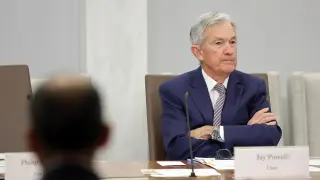
Prediction markets Kalshi and Polymarket are pricing in a Powell exit from the Federal Reserve Board soon—30% by June on Kalshi and 87% between May 15–22 on Polymarket—with Powell set to address reporters after the Fed meeting; his departure hinges on the DOJ inquiry, which was dropped, and Warsh’s nomination advancing in the Senate; if Powell delays, he could stay through two more meetings into August, though his governor term runs to 2028.
A U.S. special forces soldier involved in the Maduro raid was arrested for allegedly profiting from the operation by betting on Polymarket, netting about $400,000 as prosecutors investigate the wager; Maduro was transported to New York to face federal drug-trafficking charges, with ABC News reporting the probe.
State Sen. Matt Klein (DFL) was suspended for five years and fined $539.85 by Kalshi after the platform found he bet on the outcome of his own 2nd District race; Klein says the $50 bet was a curiosity and he regrets it, while Kalshi frames the action as part of a broader crackdown on political insider trading and Minnesota lawmakers’ efforts to ban prediction markets.
Kalshi, a prediction-market platform, suspended three political candidates after an internal probe found they placed bets on their own campaigns, labeling it 'political insider trading' and sanctioning them under its rules aligned with CFTC oversight. The exact trade amounts weren’t disclosed. Kalshi says fines will be donated to a nonprofit educating consumers about financial markets. The move underscores bipartisan concerns about election integrity in the growing prediction-market space and follows a prior case, as lawmakers consider new limits and courts navigate the regulatory landscape surrounding election contracts.
Lawmakers are calling for investigations after a cluster of new Polymarket accounts placed very specific bets on a U.S.–Iran ceasefire, earning hundreds of thousands in profits and raising questions about market integrity amid the Iran war.
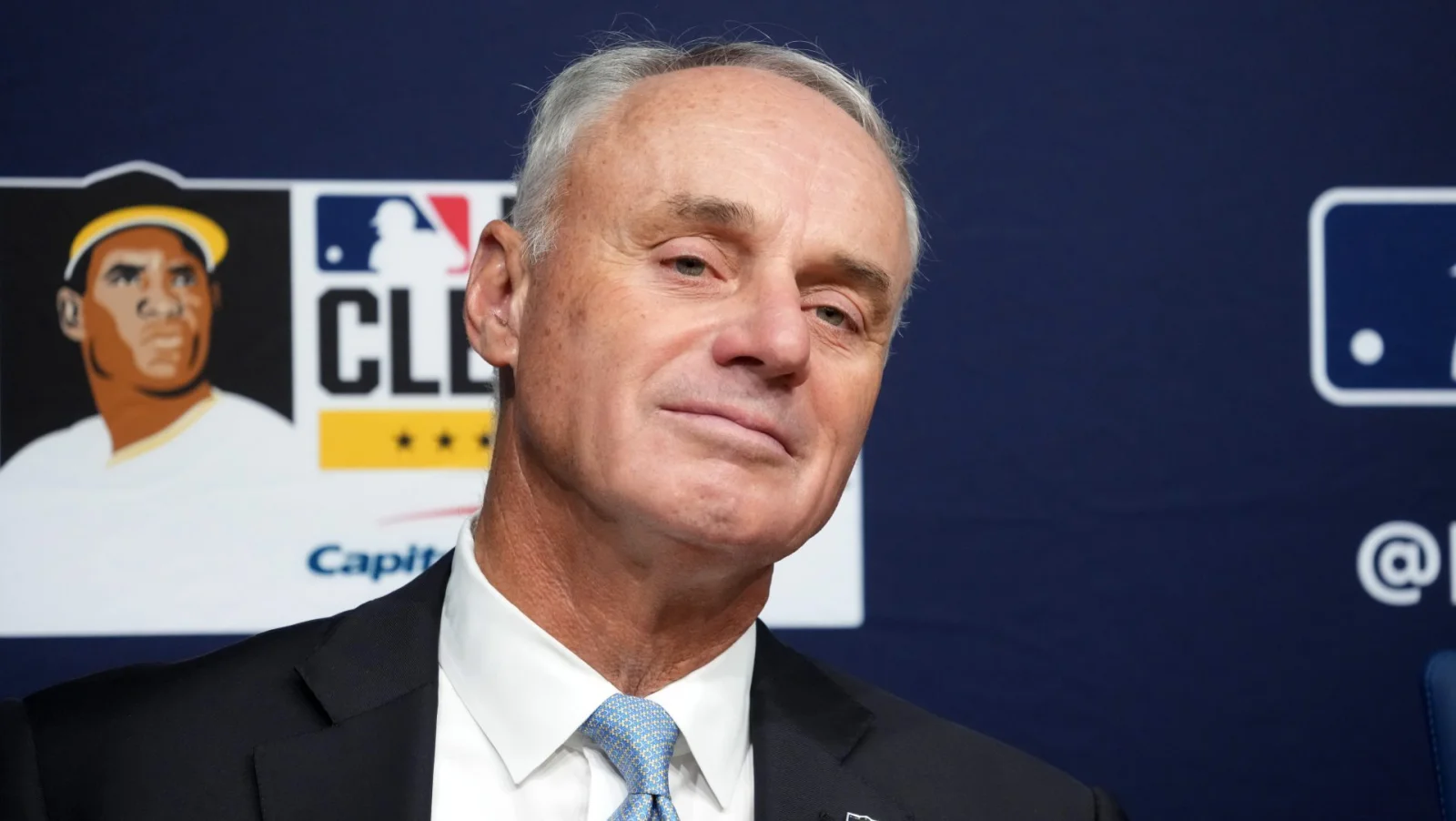
Major League Baseball signed a multiyear deal making Polymarket the exclusive MLB prediction-market partner, allowing use of team logos though terms were not disclosed (some reports suggest a sizable, multi‑hundred‑million figure). The agreement follows similar moves by the NHL and MLS and includes coordination with the CFTC to protect game integrity by restricting markets tied to pitches, manager decisions, or umpire calls. Sportradar remains MLB’s data distributor, and Polymarket and Kalshi are drawing significant investment as the broader prediction-market sector grows.
Arizona Attorney General Kristin Mayes filed a 20-count criminal complaint accusing Kalshi of operating an unlicensed gambling business and taking illegal bets on elections in Arizona; each misdemeanor carries a $10,000–$20,000 fine, and the action does not seek an immediate shutdown. Kalshi disputes the charges, saying it is federally regulated, and has begun lawsuits against Utah and Iowa to challenge state actions.
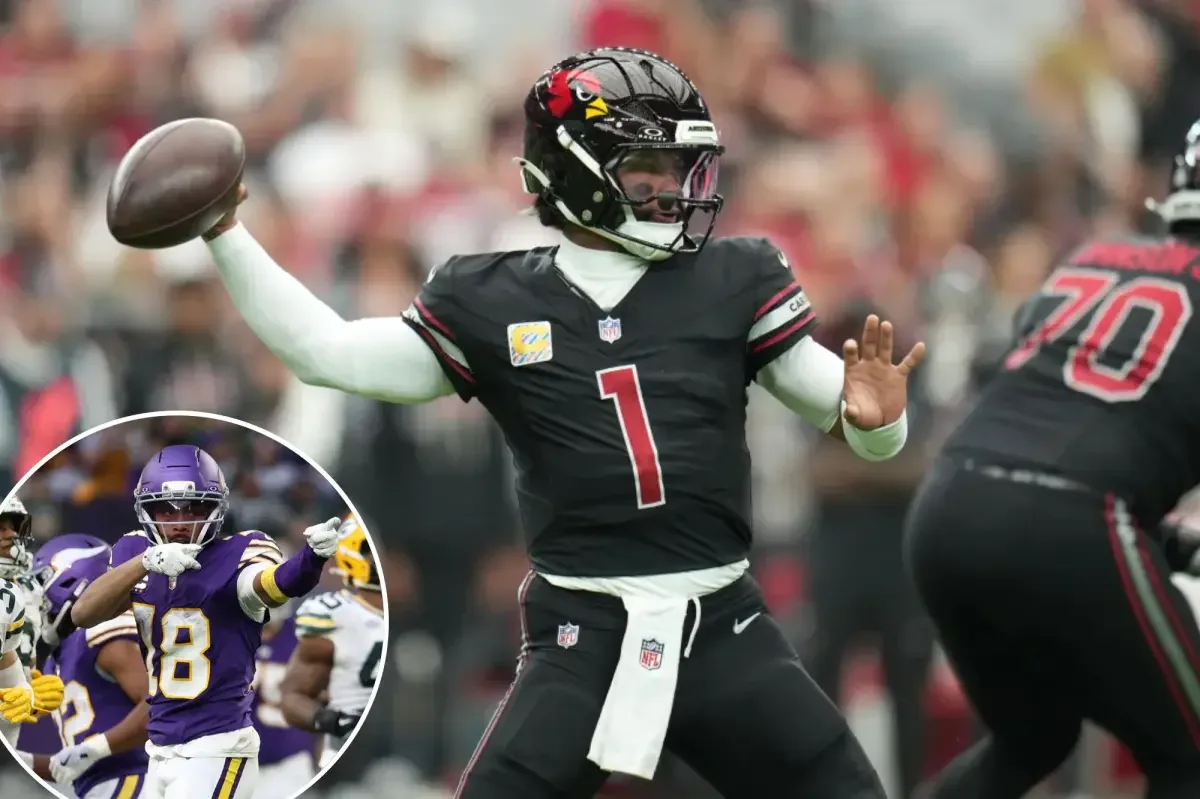
Prediction markets (Kalshi) rate the Minnesota Vikings as Kyler Murray's likely next team after the Cardinals released him, with the Cardinals footing the contract and Murray potentially signing for the veteran's minimum; he would compete with J.J. McCarthy for the starting job if he lands in Minnesota. Other clubs tied to Murray include the Jets, Falcons, and Rams, and the market's high trading volume signals strong confidence in a Vikings landing.
Kalshi refused to pay out winnings on a $54 million trade tied to the death of Iran’s Supreme Leader Ayatollah Ali Khamenei, citing a rule that markets cannot settle on death; bettors vented anger as Kalshi reimbursed some losses after clarifications, and the episode fueled a broader debate among lawmakers and rivals about the ethics and legality of death-related bets in prediction markets.
The Ringer uses a playful prediction market to forecast Industry's final Season 5, envisioning plots around Harper and Yasmin's fraught relationship, potential returns of key players, a power-driven arc with Sebastian Stefanowicz and Otto Mostyn, and possible moves from Silicon Valley to Hollywood—plus meta twists like a deleted-scenes episode.
Kalshi contracts price in a ~58% chance of a 2026 S&P 500 correction (to 6,200 or lower), with another bet near 39% for a roughly 15% drop to 5,900. History suggests bear markets are plausible in 2026 (about 50% odds) and midterm years tend to see notable pullbacks before a post‑election rebound, while earnings are expected to rise about 15% but valuations remain elevated (about 21.5x forward). The takeaway: be cautious, only buy what you’re comfortable holding through drawdowns, and consider keeping a larger cash cushion.
A new anonymous user on Polymarket made large bets predicting the US would seize Venezuela's Maduro, earning over US$400,000 in profits, sparking speculation of insider information and concerns about potential market manipulation.