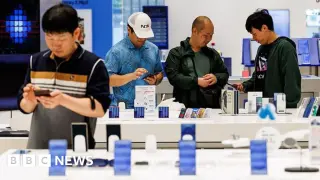
Nintendo reported a 53.5% quarterly profit rise to ¥147.4bn, aided by a US tariffs refund, while Switch 2 sales stayed strong; revenue fell 10% to ¥517.8bn as overall sales lagged year-earlier levels.
Trump accused oil majors of profiteering after windfall profits from the Iran conflict, citing ExxonMobil’s jump in quarterly earnings, Chevron’s record results, and large profits at Aramco, BP, and Shell. With oil prices topping $100 a barrel and US pump prices around $4.55, the remarks come as the GOP faces midterm headwinds and the Strategic Petroleum Reserve sits near multi-decade lows.
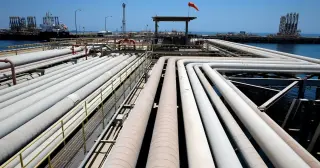
Eight leading oil companies earned about $93 billion in the April–June quarter as energy prices surged on the Iran conflict and climate-driven heatwaves, led by Saudi Aramco with over $33 billion. BP, Shell, Equinor, TotalEnergies, Eni, Chevron and ExxonMobil also posted multi‑billion profits, prompting calls for windfall taxes to fund a rapid transition to renewables and curb climate damage while critics question the social costs of fossil-fuel windfalls.
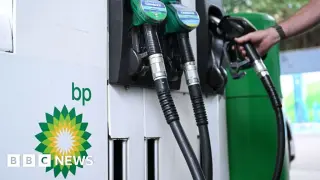
BP reported a $5.73bn quarterly profit (April–June), more than double a year earlier and the highest since 2022, as Brent crude averaged about $104 a barrel amid supply disruption from the Iran war; the company also signaled a shift away from renewables by planning to sell its US renewable natural gas business and its North Sea unit, while activist groups criticized windfall profits in the sector.
BP reported a Q2 profit of $5.73 billion, more than doubling from the previous quarter as higher oil and gas prices driven by the Middle East crisis lift earnings; CEO Meg O'Neill says there is more to do, including a potential North Sea asset sale, with the industry facing windfall profits scrutiny amid rising energy bills.
BP posted $5.7 billion in underlying replacement-cost profit for Q2, beating estimates as higher oil prices amid Iran tensions lift earnings; net profit rose to $2.35 billion year over year. The company continues its simplification drive, including a refinery sale to cut costs, while governance changes add scrutiny. Trump criticized Big Oil for profits, and BP shares have climbed about 27% year to date.
ExxonMobil and Chevron posted strong Q2 results as higher oil prices and Middle East disruption lifted profits; Chevron reported net income of $12B and adjusted EPS of $6.06, beating estimates, while Exxon earned about $14.5B with adjusted EPS of $3.52, missing by 8 cents due to refining-market volatility; both posted significant gains in upstream and refining segments, with production up and crude prices averaging around $92/bbl in Q2.
ExxonMobil and Chevron posted a combined $26.5 billion in Q2 profits as higher crude prices and near-capacity refining boosted earnings, with Chevron earning $12.2 billion and Exxon $14.5 billion and U.S. output and refining runs hitting records. Geopolitics—the Iran war and Hormuz disruptions—kept crude prices elevated and pressured gasoline and diesel markets. Trump criticized the windfall and pressed for lower fuel costs, while DOJ price-gouging scrutiny and talk of export bans loom; Chevron cautions that export limits could dampen investment and future supply.
Delta Airlines says elevated airfares are likely to persist despite a drop in oil prices, reporting a $1.4 billion quarterly profit as demand remains strong and the carrier passed about 60% of higher fuel costs to customers; premium revenue rose 17% year-over-year while main cabin sales grew 8%, and Delta has expanded premium offerings with a 'basic business' option, signaling travelers remain willing to spend on trips even as costs stay elevated.
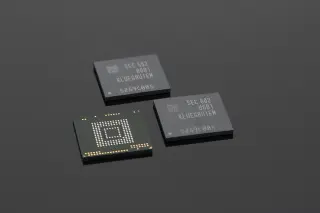
Samsung Electronics forecast a 19-fold jump in quarterly profits for April–June, aiming for about 89 trillion won (~$58 billion) as demand for AI memory chips remains sky-high amid tight supply; first-half sales were around 171 trillion won, more than double the prior year, marking one of its strongest quarters as AI infrastructure drives chip demand.
Samsung’s DS division chief Kim Yong-kwan says 2026 operating profit will match or exceed the company’s cumulative semiconductor profits over the past ~40 years, with analysts expecting about 300 trillion won (~$200B) for the year. If realized, it could outpace NVIDIA’s Q1 profits. Q2 2026 guidance points to roughly 84.6 trillion won (~$55B) in operating profit, as Samsung and SK hynix pursue an $800B memory-expansion plan that keeps memory prices elevated amid strong AI demand, with meaningful volumes not expected until 2033.
AI-related stocks pulled back after a sharp rally as investors debated whether the pullback is simply profit-taking or a sign of nerves about an AI-driven bubble and potential oversupply. Major AI spenders—Alphabet, Amazon, Meta, and Microsoft—are pouring hundreds of billions into data centers, while chipmakers and AI hardware names led declines, raising questions about whether lofty valuations and financing needs can be justified by future profits. Analysts warn rapid capital expenditure could weigh on pricing and returns, even as demand for AI infrastructure remains a longer-term driver in tech, with mixed signals from Asia.
Goldman Sachs notes that AI adoption and investment have surged, but the business case for profits remains unproven. In this cycle, economic value has largely gone to semiconductor makers, while AI-related spending by cloud providers and other players hasn’t yet shown clear returns, fueling concern that firms may be overinvesting due to fear of missing out without definitive economic gains.
BP has ousted its chairman Albert Manifold over serious governance and conduct concerns, appointing Ian Tyler as interim chair; the move follows shareholder opposition at the AGM and comes as BP reports about $3.2 billion in Q1 profit boosted by higher oil prices and trading gains.