Tag

Protein Clumps

All articles tagged with #protein clumps

Gut E. coli Linked to Parkinson's Disease Development
health1 year ago

Gut E. coli Linked to Parkinson's Disease Development

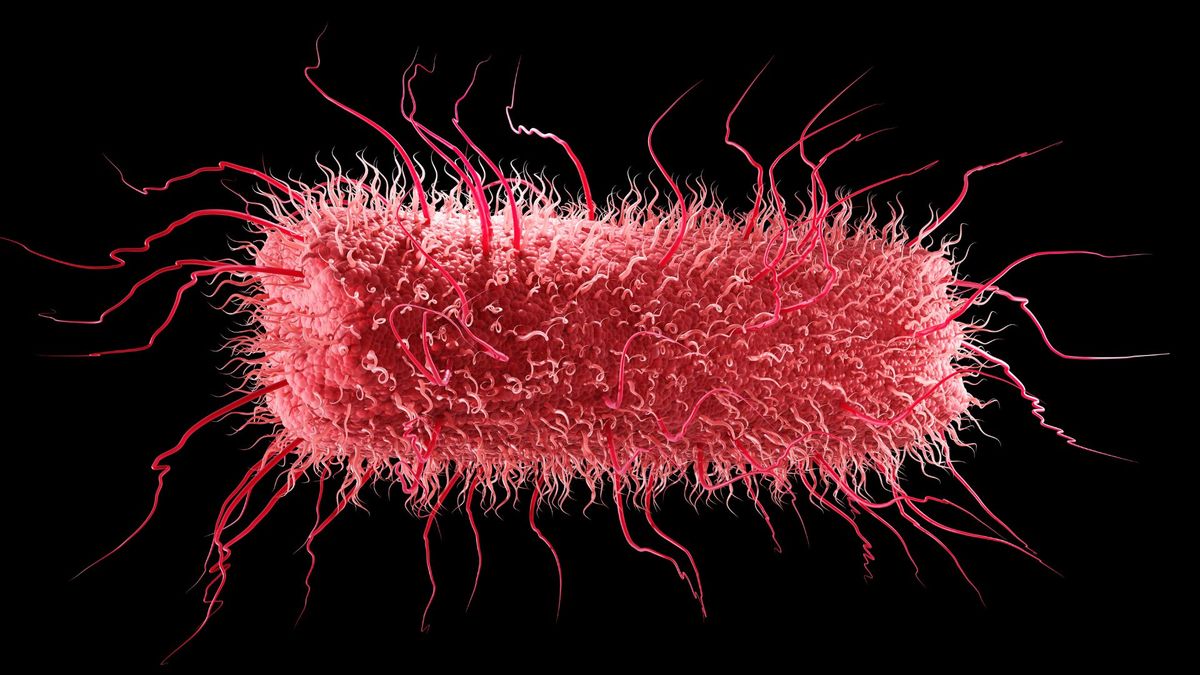
New research suggests that Parkinson's disease may originate in the gut due to a chain reaction involving gut microbes like E. coli. This process leads to the formation of protein clumps in the gut, similar to those found in the brains of Parkinson's patients. The study highlights the potential role of oxidation reactions in this process and suggests that compounds like caffeic acid in coffee might interrupt these reactions. However, the findings are preliminary and based on lab-dish experiments, necessitating further research in preclinical models.

"Reversing Alzheimer's: Mitochondrial Health Key to Stopping Protein Clumps"
health2 years ago

"Reversing Alzheimer's: Mitochondrial Health Key to Stopping Protein Clumps"

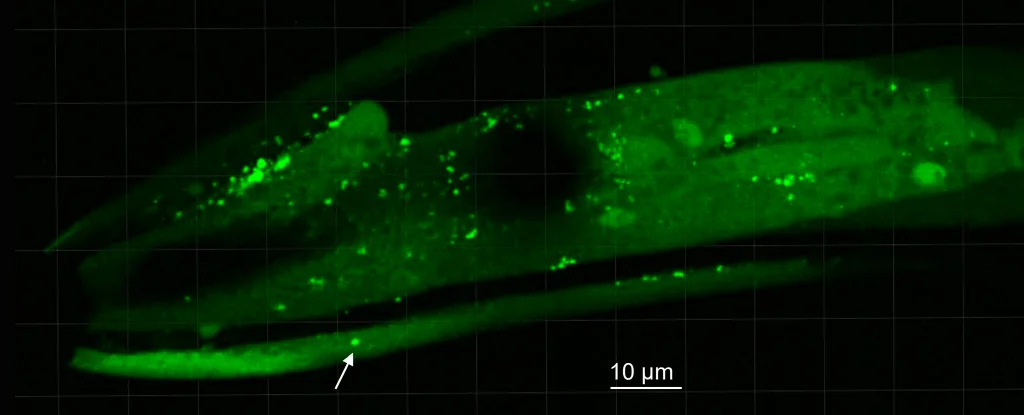
Researchers at The Buck Institute for Research in Aging have found that boosting mitochondrial health can delay the toxic effects of beta-amyloid proteins, which are associated with Alzheimer's disease. Using a worm model, they discovered that beta-amyloid and aging drive other proteins to become insoluble, contributing to the disease. By enhancing mitochondrial function with compounds like urolithin A, they were able to mitigate some of these effects, suggesting a potential new approach for Alzheimer's treatment.

"New Dementia Breakthrough: Uncovering the Role of Stressed Brain Cells in Neurodegenerative Disease"
health2 years ago

"New Dementia Breakthrough: Uncovering the Role of Stressed Brain Cells in Neurodegenerative Disease"

A breakthrough in dementia research from UC Berkely suggests that abnormal protein clumps may not directly kill brain cells, but rather keep the cells' stress response constantly activated, leading to their death. The discovery of a protein complex called SIFI, which both cleans up the clumps and switches off the stress response, could revolutionize treatment for neurodegenerative diseases like Alzheimer's and Parkinson's by focusing on turning off this stress response rather than solely targeting the protein accumulations. This new understanding could change the approach to treating these diseases and make it more feasible.

Revolutionary Immunotherapy Slows Alzheimer's Progression and Introduces Innovative Drug Delivery System
health2 years ago

Revolutionary Immunotherapy Slows Alzheimer's Progression and Introduces Innovative Drug Delivery System

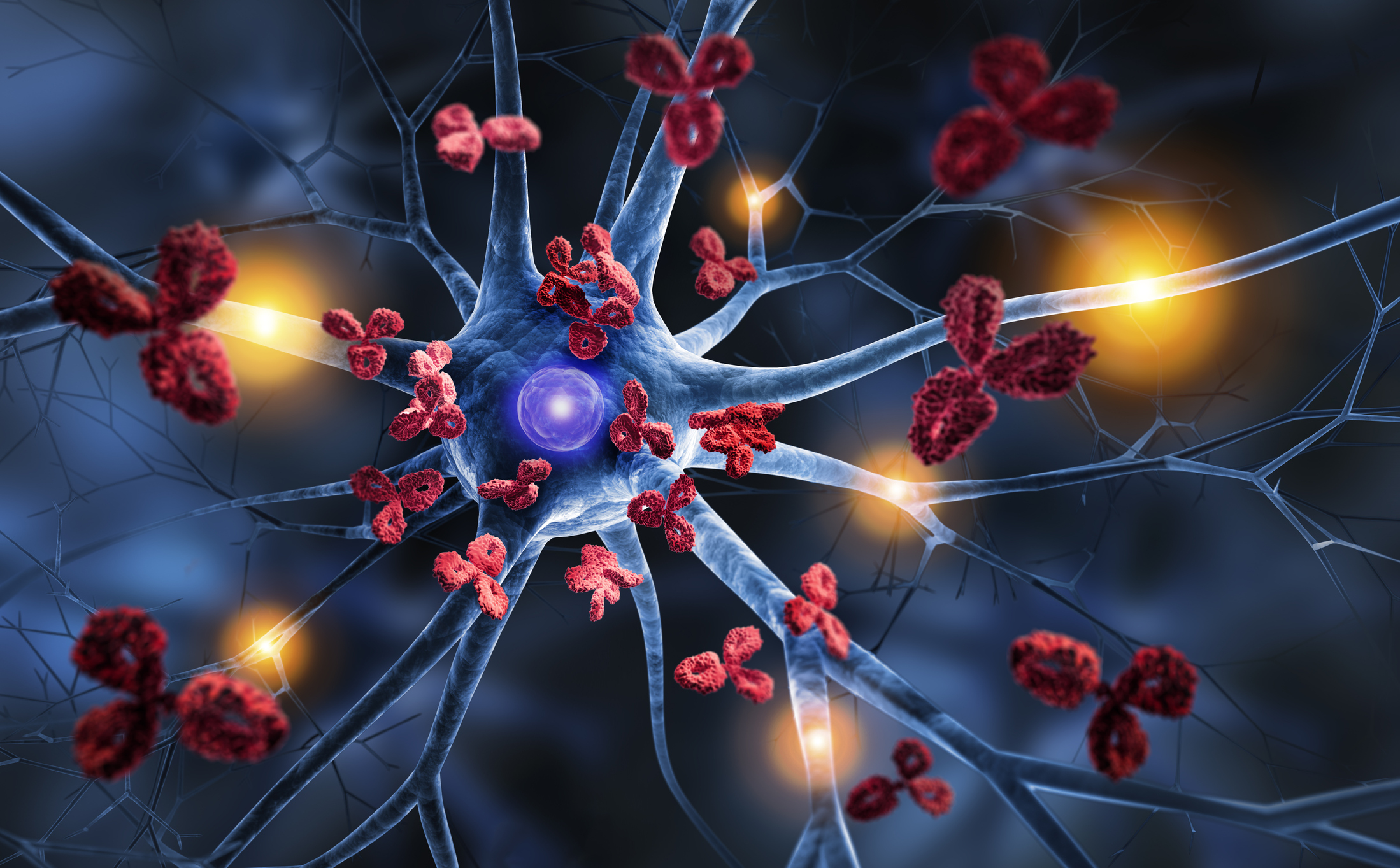
Scientists are developing a new approach to treat Alzheimer's disease by targeting the immune system. The use of antibodies that can bind to abnormal protein clumps in the brain shows promise in slowing the progression of the disease. These antibodies have been found to reduce amyloid deposits and slow decline in the earliest symptomatic stages of Alzheimer's. While two antibodies have already been FDA approved, caution is needed due to potential side effects and the need for early treatment. Further research and investment are necessary to effectively treat Alzheimer's.

Scientists Discover Spark Behind Huntington's Disease Spread in the Brain
health3 years ago

Scientists Discover Spark Behind Huntington's Disease Spread in the Brain

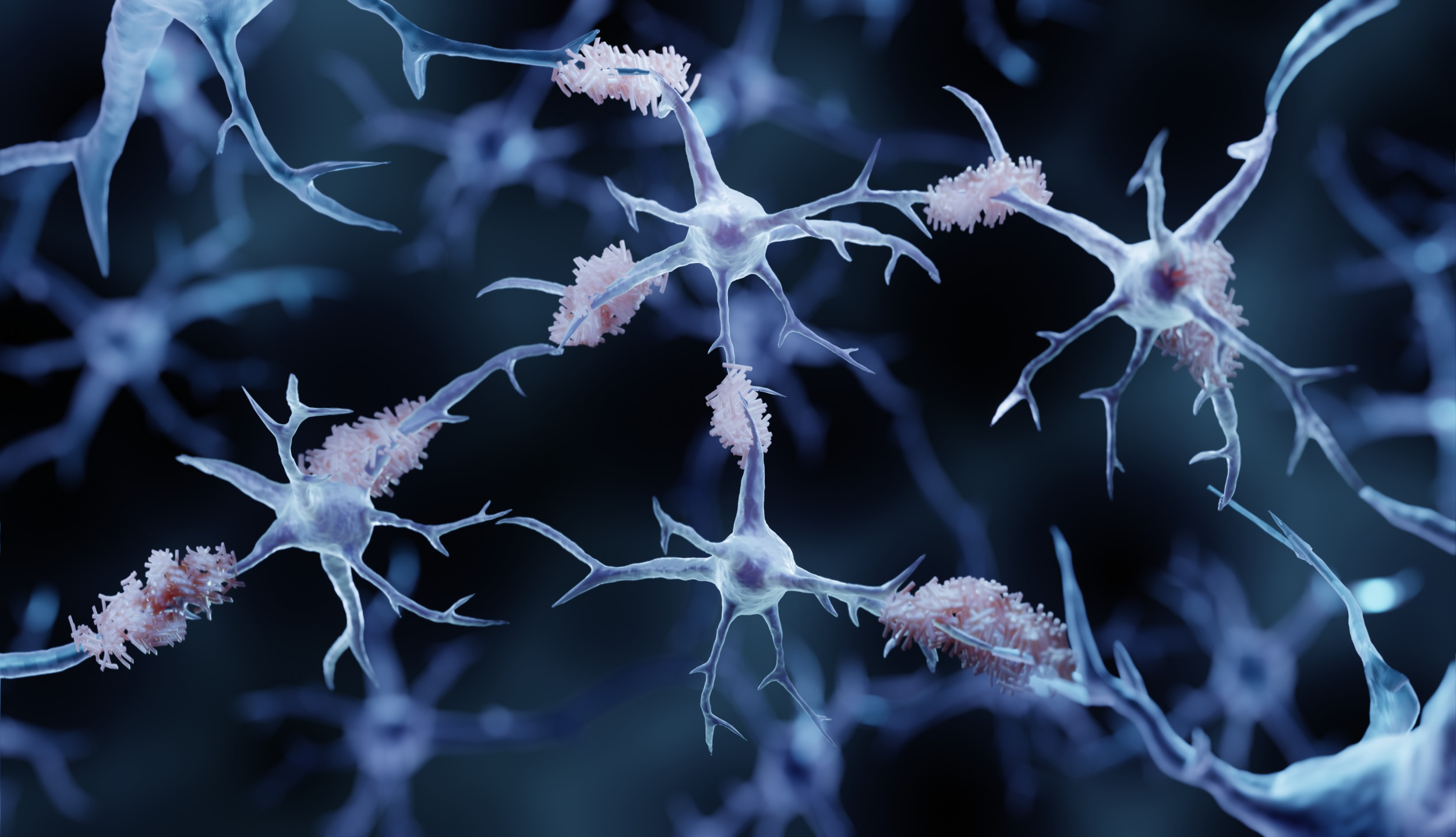
Scientists have identified the molecule that starts the toxic protein clumps that cause Huntington's disease, a rare, inherited brain disorder. The team was able to find a way to prevent the molecule from spreading in the lab, and the next step will be to develop a drug that can do something similar in people. The study has implications for other degenerative brain diseases, including Alzheimer's, and could lead to new treatments that prevent the cascade of events that leads to brain damage.

The Spark of Neurodegenerative Diseases: Huntington's and Alzheimer's.
health3 years ago

The Spark of Neurodegenerative Diseases: Huntington's and Alzheimer's.

Scientists have identified the molecule responsible for the spread of toxic protein clumps in Huntington's disease, a rare inherited brain disorder. The study could lead to new treatments for other neurodegenerative diseases, including Alzheimer's, by preventing the cascade of events that leads to brain damage. The research shows that scientists are finally closing in on strategies that will slow or halt diseases including Parkinson's and Alzheimer's.

Aquatic Bacterium Linked to Parkinson's Disease in New Study
health3 years ago

Aquatic Bacterium Linked to Parkinson's Disease in New Study

Researchers at the University of Helsinki and the University of Eastern Finland have found that a common genus of microbe found in wet, boggy environments could play a key role in the development of Parkinson's disease, by excreting compounds that trigger proteins inside brain cells to form toxic clumps. The researchers hope to one day improve early diagnosis of the disease in humans, or even slow its progress by targeting these harmful Desulfovibrio bacteria in the gut.

The Surprising Link Between Cold Temperatures and Longevity
health3 years ago

The Surprising Link Between Cold Temperatures and Longevity

New research finds that moderately cold temperatures increase a person’s longevity and decrease susceptibility to age-related diseases. This is because the cold prevents proteins from clumping together. The study used a non-vertebrate model organism, the nematode Caenorhabditis elegans, and cultivated human cells. Both carried genes for amyotrophic lateral sclerosis (ALS) and Huntington’s disease, two diseases featuring the accumulation of harmful and damaging protein deposits. The study is published in the journal Nature Aging.