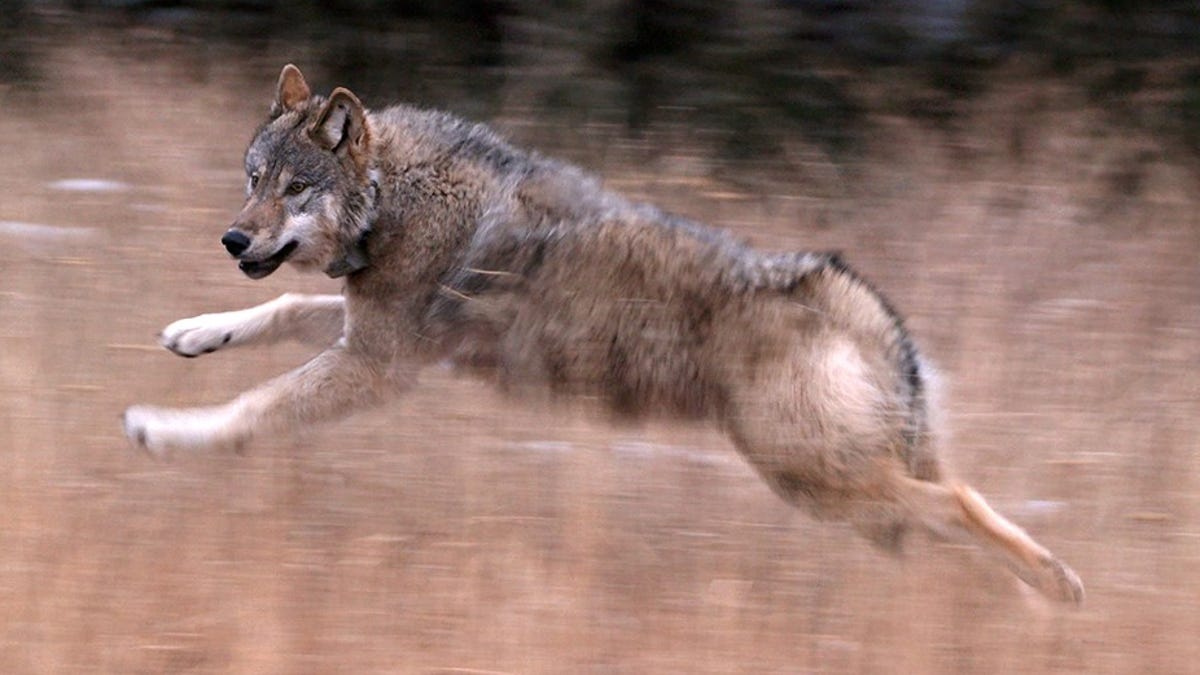
President Trump signed an executive order directing the Interior Department to evaluate removing federal protections for gray and Mexican wolves. The move, framed as support for the livestock industry, faces immediate legal and scientific pushback from conservation groups who argue the species remain vulnerable despite population growth.
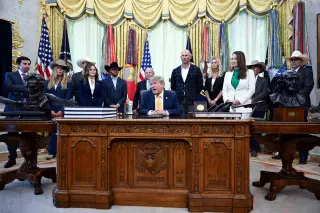
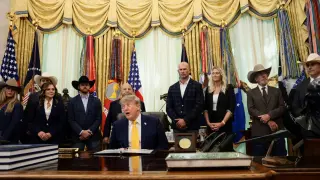
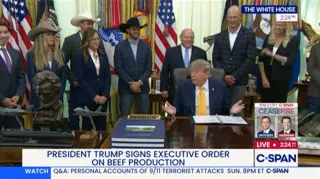
President Trump signed an executive order on September 4, 2026, directing the Department of the Interior to begin the process of removing federal endangered-species protections for gray and Mexican wolves. The move aims to allow ranchers and hunters to lethally manage wolves that prey on livestock, a long-standing point of contention between conservationists and agricultural interests. While the order was framed as part of broader measures to support beef production and rural communities, it faces immediate legal hurdles, as a 2022 federal court ruling currently maintains protections across most of the lower 48 states. Conservation groups have vowed to challenge the delisting in court, arguing that the species' recovery is not complete and that the order bypasses scientific frameworks. Conversely, ranchers and Republican lawmakers, including Representative Tom Tiffany, argue that wolves have recovered sufficiently and that management should be returned to state authorities. The order also directs agencies to ease compensation rules for ranchers and urges states to remove local protections, though the immediate legal status of wolves remains unchanged pending the Interior Department's review.
President Trump signed two executive orders on September 4, 2026, to address rancher concerns following backlash over beef import tariffs. The orders aim to allow ranchers to process and sell their own meat by expanding inspection options and to initiate the delisting of gray and Mexican wolves from the Endangered Species Act, enabling lethal control. These moves follow a 90-day pause on tariffs for 300,000 metric tons of imported ground beef, which angered domestic producers. The administration also announced increased enforcement against major meatpackers and new labeling requirements, though some measures require congressional action.
On September 4, 2026, President Donald Trump signed an executive order directing the Department of the Interior to begin the process of delisting or downlisting gray and Mexican gray wolves under the Endangered Species Act. The order encourages states to remove protections and allows ranchers to lethally remove wolves to protect livestock. While the White House frames this as a solution to livestock depredation, conservation groups argue the move is legally vulnerable and a political distraction from trade issues, while ranchers in states like Wisconsin and Colorado cite ongoing conflicts with predators.
Trump faces a political tightrope as the White House weighs a temporary tariff cut on imported beef to lower prices for consumers, a plan that could hurt ranchers and complicate GOP support amid drought and higher production costs; the timing remains uncertain as beef prices stay elevated ahead of the election.
President Trump will sign two executive orders to lower beef prices by boosting imports and backing ranchers: one suspends part of the beef import tariff-rate quota, the other expands SBA loans and trims regulations while relaxing endangered-species protections; the moves aim to curb inflation pressures as drought raises costs and major meatpackers face antitrust scrutiny.
The White House will temporarily suspend beef tariffs for 200 days to expand imports and address short-term U.S. beef supply issues in an effort to lower consumer prices, a move likely to anger ranchers and some Republicans ahead of midterm elections as part of a broader affordability push.
Republican senators criticized the Biden administration's plan to import more beef from Argentina, arguing it harms U.S. ranchers and the beef market, and proposed alternative strategies to support domestic beef production and market stability.
U.S. President Trump announced plans to quadruple beef imports from Argentina at lower tariffs, sparking outrage among American ranchers who see it as a threat to domestic prices and industry stability, despite White House efforts to support the U.S. beef sector through various initiatives.
A calf was killed in Colorado in the first confirmed gray wolf depredation since the animals' reintroduction in December. The attack, which occurred in Grand County, has reignited concerns among ranchers about the risks wolves pose to livestock. Colorado's controversial wolf reintroduction plan, which aims to release up to 50 wolves captured from Oregon, has faced opposition from farmers and ranchers who fear the impact on wildlife and livestock.
Ranchers Erika and Cody Archie faced backlash for charging their 19-year-old daughter $200 a month in rent after her high school graduation, aiming to teach her financial responsibility. Despite criticism, they believe in instilling good money skills and independence in their children, emphasizing that "nothing in life is free." The couple's approach reflects their belief that children should learn the value of money and not rely on their parents for financial support indefinitely.
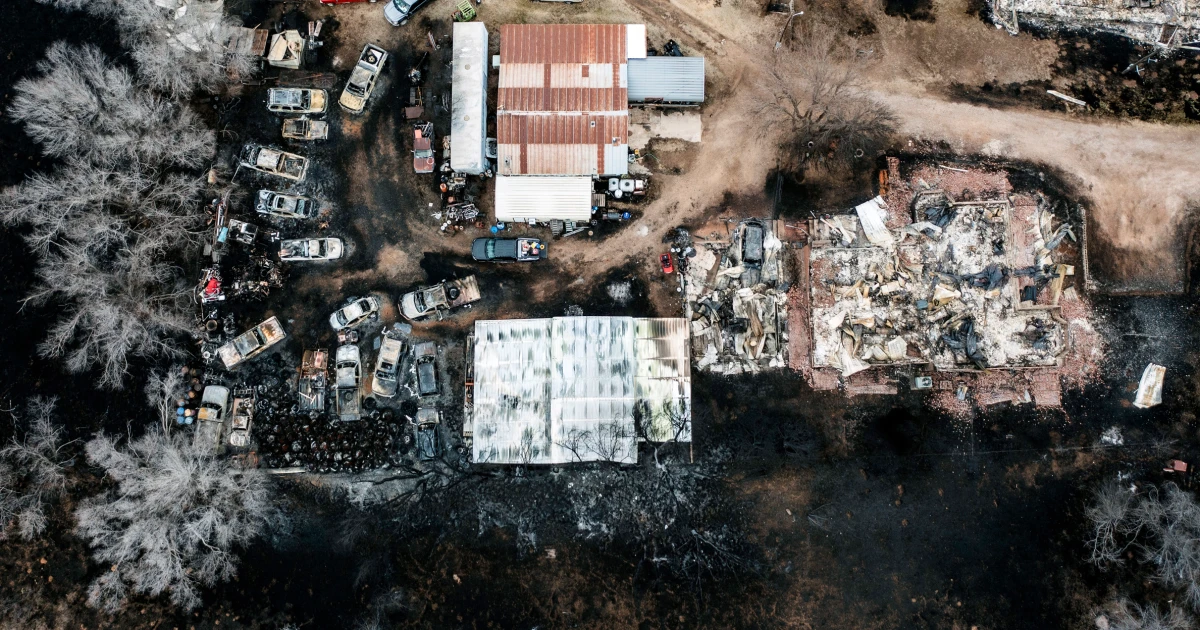
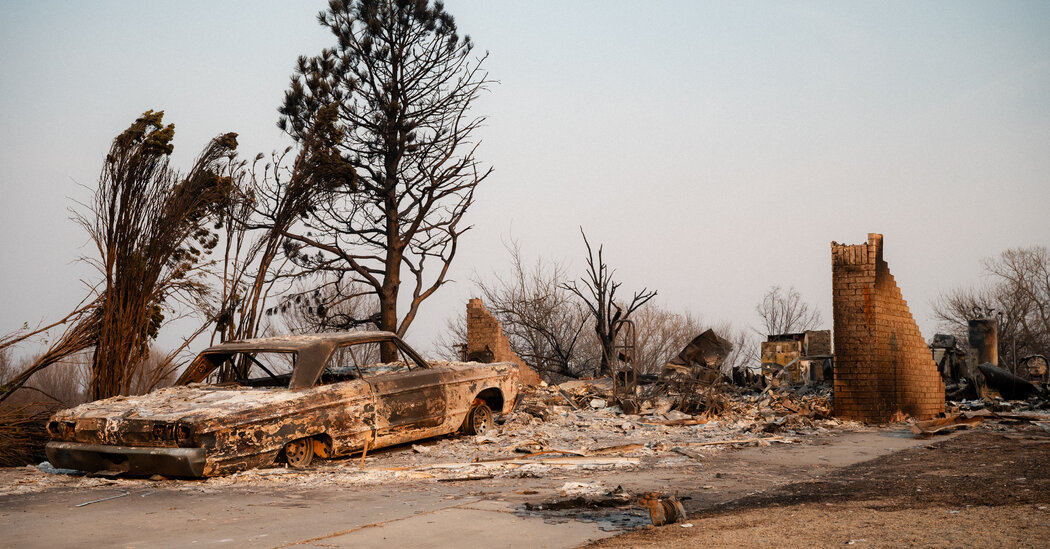
Farmers and ranchers in the Panhandle are seeking aid to rebuild after wildfires caused staggering financial losses, including thousands of cattle and hundreds of thousands of acres burned. Government assistance is being sought to help offset the losses, repair and replace infrastructure, and prevent wind erosion. Officials are also emphasizing the importance of mental health services for those affected by the devastating wildfires.
Firefighters battling the massive Texas wildfires are expected to get a crucial opportunity to contain the flames as cooler temperatures and gentler winds arrive on Monday. The Smokehouse Creek Fire, which has burned over 1 million acres and killed at least two people, is only 15% contained. Several other fires are also burning in the region, causing significant devastation to homes, livestock, and ranches. The loss of beef cattle could impact the nation's supply, and efforts to assist wildfire victims are underway through fundraisers and charities. The wildfires have brought unprecedented destruction and devastation to the Texas Panhandle, with numerous families losing their homes and belongings.
Texans are facing catastrophic damages from some of the largest wildfires in the state's history, with as many as 500 homes and structures destroyed and at least two people dead. The impact on the cattle industry is significant, as the Panhandle region, which is one of the most affected areas, is home to roughly 85% of the 12 million cattle in Texas. Ranchers are not only dealing with animal losses but also struggling to keep surviving cattle alive due to the destruction of open fields used for grazing and feeding. The economic toll on the Texas cattle industry remains unclear, with ranches spanning tens of thousands of acres expected to be among the hardest hit.
A massive wildfire in the Texas Panhandle has become the state's largest on record, scorching over a million acres of land and devastating cattle ranches. Firefighters are working to contain the blaze before warmer weather returns, while ranchers have been battling the flames and witnessing the destruction of their land and livestock. The fire, named Smokehouse Creek, remains largely uncontained, and additional resources have been deployed to the area under a disaster declaration by Governor Greg Abbott.