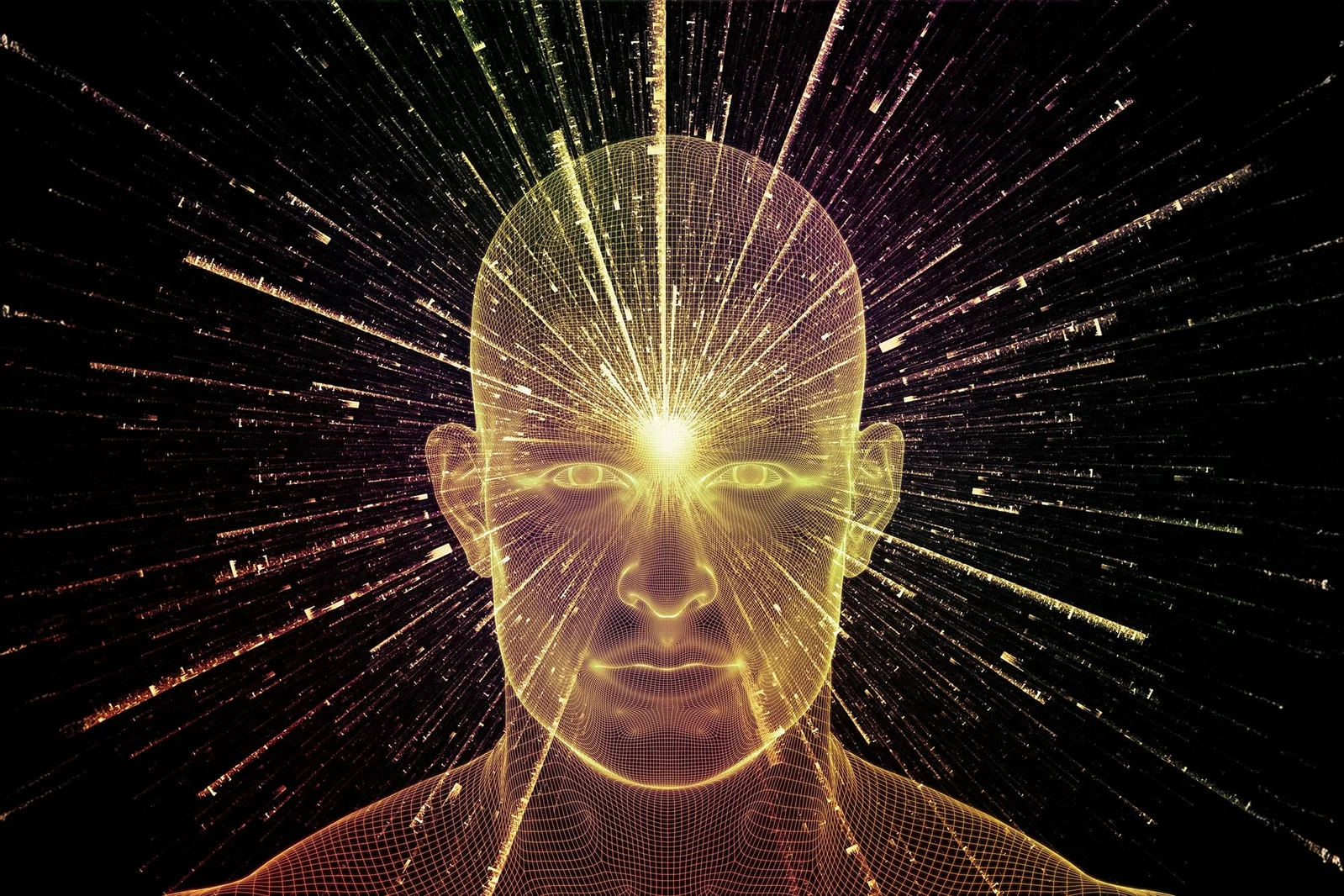
Reality as a VR Game? Scientist Suggests We Are Avatars
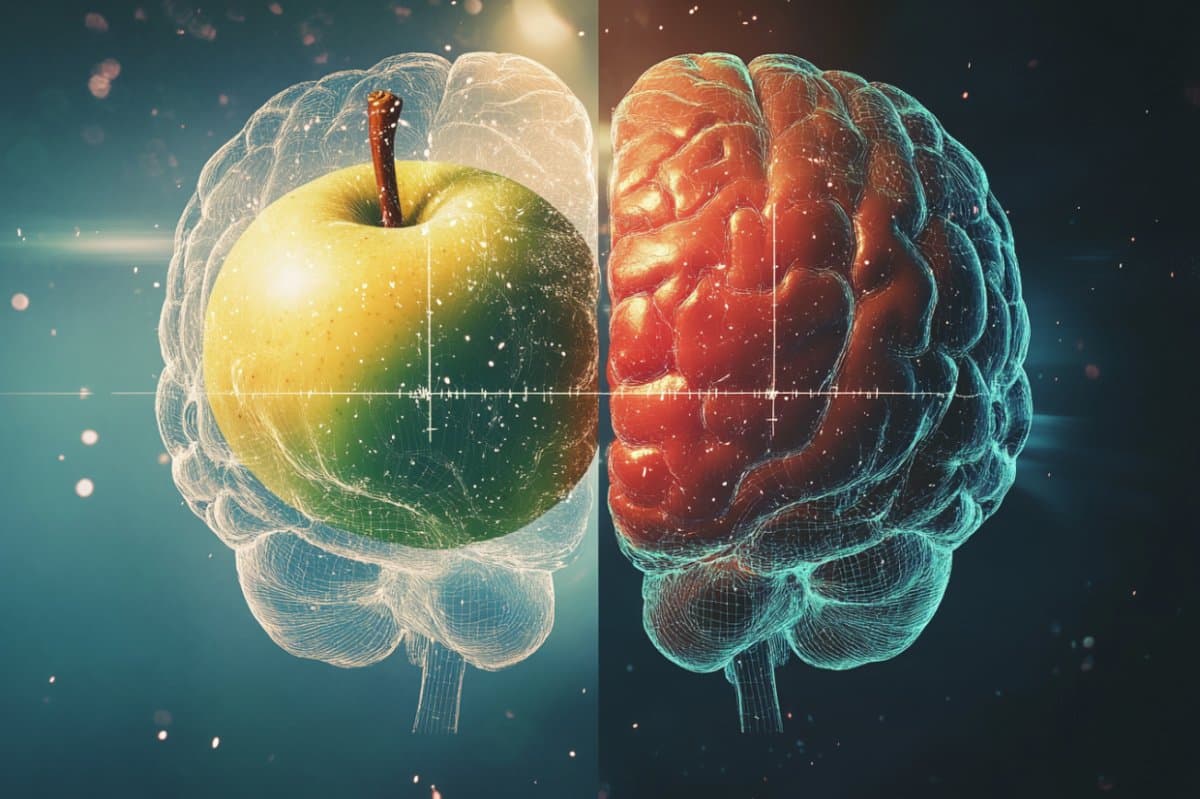
A scientist argues that reality might be a virtual reality game and that we could be avatars, prompting debate about evidence, consciousness, and the nature of existence.
All articles tagged with #reality

A scientist argues that reality might be a virtual reality game and that we could be avatars, prompting debate about evidence, consciousness, and the nature of existence.

Alison Victoria says she wasn’t invited back to co-host HGTV’s Battle on the Beach because she previously claimed the show was canceled; producers were upset, but the show was not canceled, only not renewed. She notes the distinction, and says the revival will bring Ty Pennington back with new designers and judges.

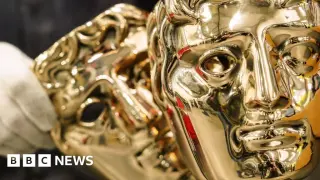
Bafta TV Awards crowned winners across drama, comedy, entertainment and more: Code Of Silence won Best Drama Series, Adolescence Best Limited Drama; acting honours went to Stephen Graham and Narges Rashidi, with Owen Cooper and Christine Tremarco taking Supporting categories; Amandaland won Scripted Comedy; Steve Coogan and Katherine Parkinson won top comedy acting prizes; The Celebrity Traitors won Reality; EastEnders won Soap; The Studio won International; Special Bafta Fellowship to Dame Mary Berry and a Special Award to Martin Lewis. The list covers many categories with nominees and notes that some winners were announced ahead of broadcast.

AIP Advances paper by Maria Strømme proposes that consciousness is the foundational field from which time, space, and matter emerge, with individual minds as expressions of a universal consciousness. The theory aims to unite quantum physics with non-dual philosophy, offering testable predictions across physics, neuroscience, and cosmology, and even suggests personal identity survives death within the field. While mathematically framed, it is not yet experimentally confirmed and remains controversial, challenging materialist views and awaiting proof.

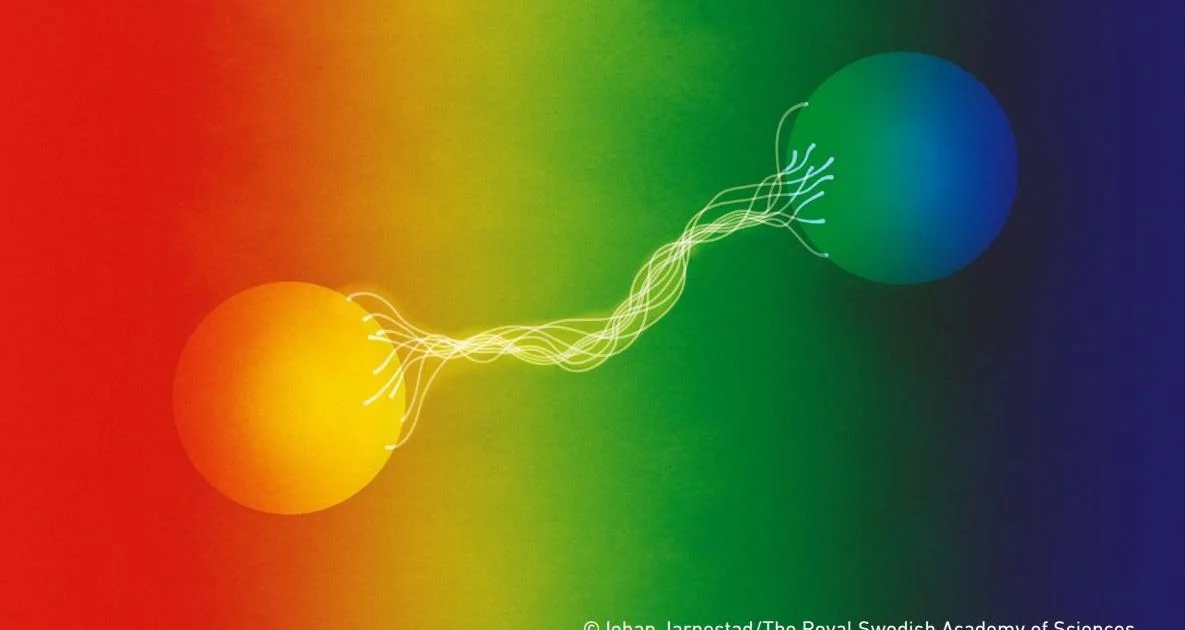
The article argues that the Pusey-Barrett-Rudolph (PBR) theorem, proven in 2012, shows the quantum state must be ontic (a property of reality) under three basic assumptions, ruling out epistemic hidden-variable interpretations and implying the wavefunction has real physical status. This places quantum foundations on firmer ground, clarifies debates about reality vs. knowledge in quantum mechanics, and underscores the theorem’s impact alongside ongoing quantum technologies that exploit entanglement and nonlocality.

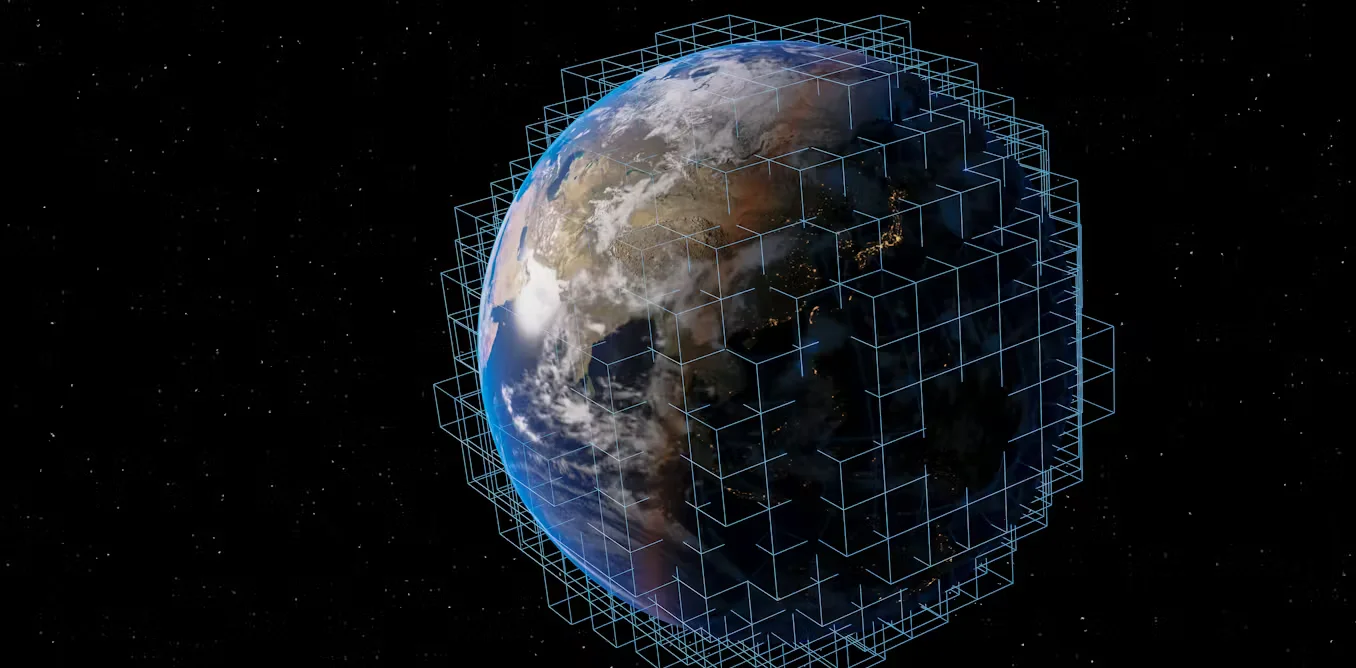
The article surveys the simulation hypothesis—the idea that our universe might be a highly realistic computer simulation—by tracing Nick Bostrom’s argument that advanced beings could run trillions of simulations. It notes that, while the logic remains compelling for some (and figures like Neil deGrasse Tyson have called the odds roughly 50-50), there is no empirical proof, and critics argue that computing such vast simulations may be infeasible or that apparent glitches don’t prove we’re in a simulation. The discussion also connects physics and cosmology to the idea, including limits like the finite observable horizon and the idea of reality as potentially ‘pixelated’ at small scales."}{

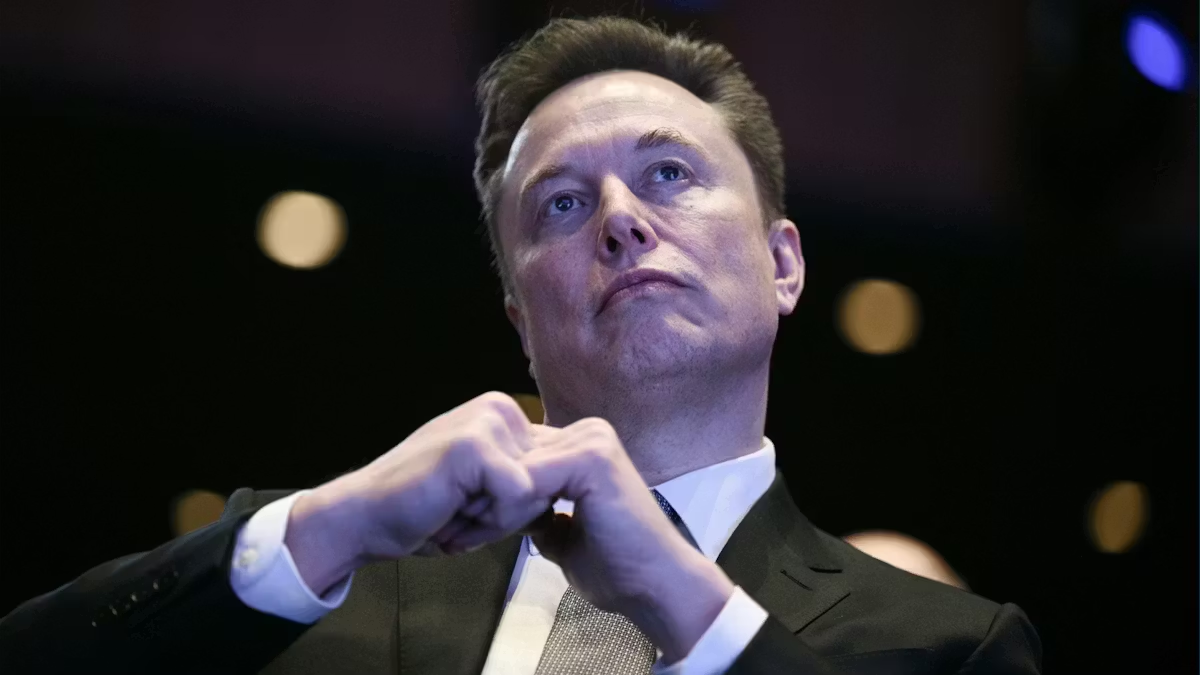
The article discusses how Elon Musk's ambitious promises regarding self-driving vehicles, artificial intelligence, and robotics have faced challenges and discrepancies when compared to actual technological developments and real-world outcomes.

A study suggests that the universe's complexity and mathematical foundations make it impossible for any algorithm to fully simulate reality, implying we are not living in a computer simulation and that a complete 'theory of everything' may be unattainable through computation.

Carlo Rovelli, a theoretical physicist, advocates for a radical perspective that there is no objective reality, only perspectives, emphasizing the importance of philosophy in understanding the nature of space, time, and quantum mechanics, and exploring theories like loop quantum gravity and relational quantum mechanics.

Quantum mechanics challenges the traditional notion of objects and particles, suggesting that at a fundamental level, there are no discrete particles, and the macroscopic world of objects emerges from an undivided quantum reality, reshaping our understanding of what constitutes reality.

Recent research identifies the fusiform gyrus as key to distinguishing reality from imagination, while conservation efforts using dehorning have significantly reduced rhino poaching. Additionally, a new mathematical model supports the 'big bounce' theory, challenging the traditional Big Bang concept.

A study reveals that the fusiform gyrus in the brain helps distinguish real experiences from imagined ones, with strong activation sometimes leading to confusion, especially in vivid imagination, shedding light on how the brain separates internal and external perceptions and implications for disorders like schizophrenia.

"Van life" influencers have been criticized for not revealing the harsh realities of living on the road, as individuals like Siena Juhlin and Caleb Smith share their challenging experiences. Juhlin, who sold her van after it broke down, now plans to live in a truck and camper, while Smith, who lives in a cargo van in Brooklyn, struggled during a heat wave. Despite the difficulties, they find the lifestyle rewarding but not feasible for the long term. Other "Vanlifers" also share similar sentiments, citing factors like gas prices and return-to-office mandates as making endless roaming more difficult.
In this philosophical discussion, Paul Franks argues that Kant's perspectivism aligns better with our everyday experience and Einstein's physics than Berkeley's immaterialist view. While Berkeley's approach suggests that what we perceive is always mind-dependent, Kant's transcendental idealism maintains that human cognition is perspectival but does not negate the mind-independence of the underlying material causes of sensation. Franks suggests that Kant's combination of transcendental idealism and empirical realism offers a more coherent understanding of our experience of the world and natural science than Berkeley's phenomenalism and instrumentalism.

Sleep deprivation can warp perception, leading to hallucinations, distorted time perception, and altered memory storage. Even mild sleep deprivation can cause negative thought patterns and emotional memory consolidation. Sleep is crucial for processing sensory input and calibrating our senses, impacting our understanding of reality and truth.