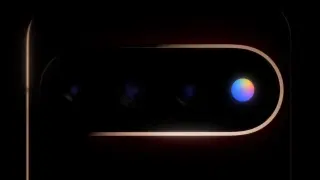
Google highlights Pixel Glow, a new RGB LED matrix, in a Pixel 11 Pro teaser ahead of launch; the video shows swirling LED visuals and hints at a notification role, but many details about customization and usage are still unknown until the official reveal.
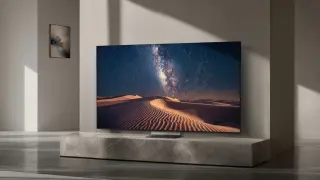
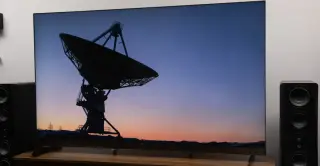
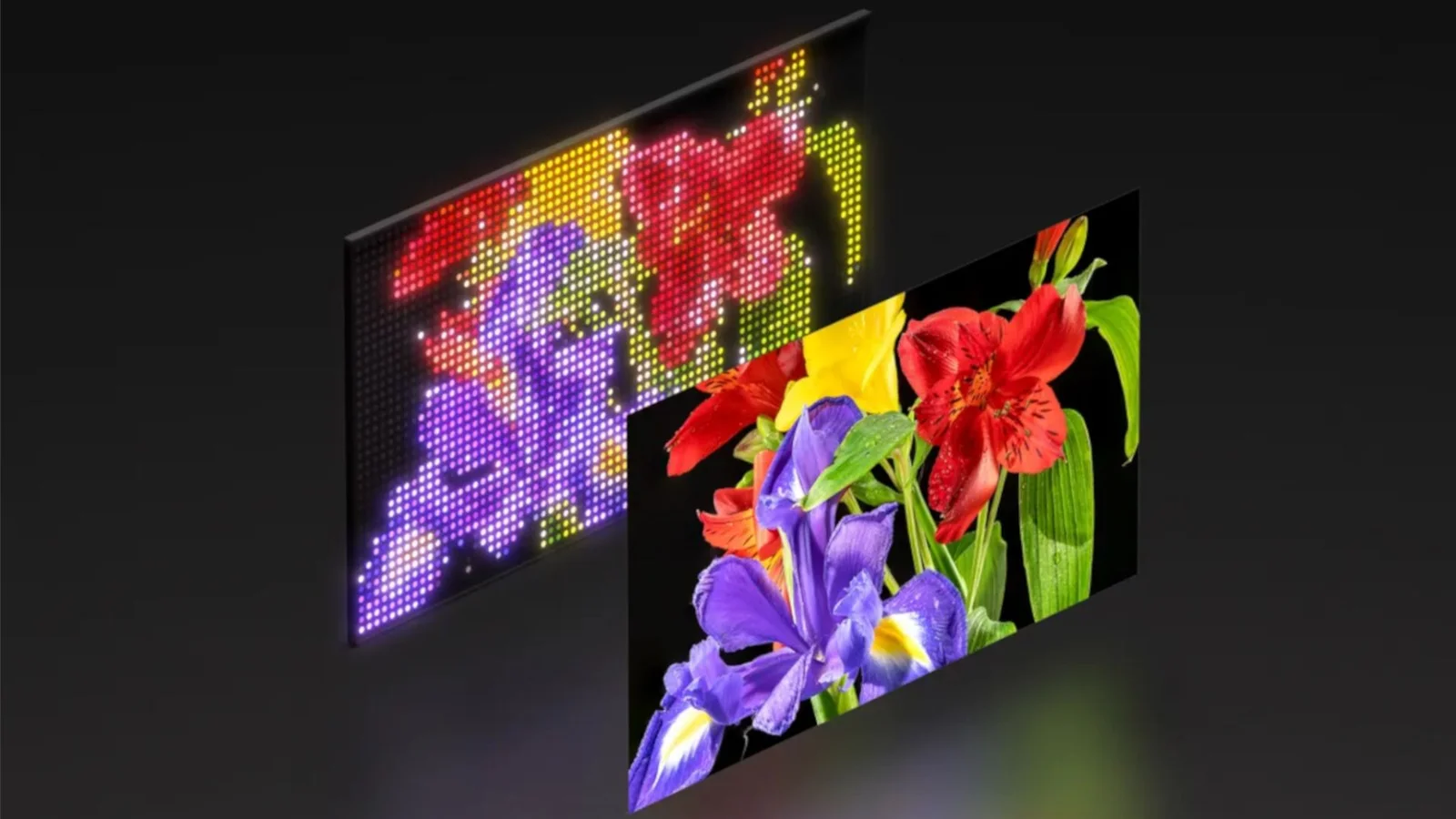
RGB LED backlighting is gaining traction in 2026, with Samsung, TCL, Hisense, and Sony rolling out RGB LED TVs that promise brighter, more color-rich images than traditional LEDs. Samsung's R95H (marketed as Micro RGB) is extremely bright but has slow motion response for gaming; TCL's RM9L family offers giant 85–115-inch models with high brightness at premium prices; Hisense's UR9SG/UR8SG and 116UXS deliver strong color, excellent brightness, and value, including the 65-inch UR9SG around $1,700; Sony's Bravia 9 II emphasizes brightness and color with improved local dimming but limits HDMI 2.1 ports and shows some motion/viewing-angle caveats.
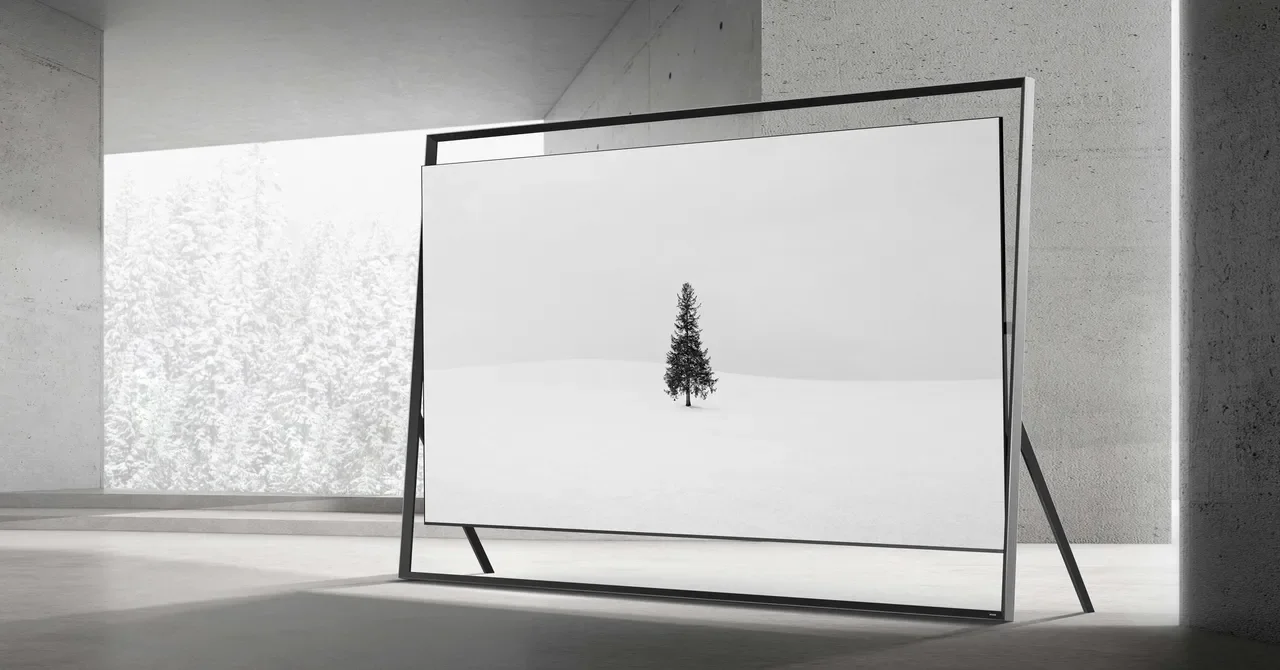
Verge's review praises the Bravia 9 II for its exceptional color accuracy, very high brightness (HDR highlights up to 3,800 nits) and the best anti-reflective screen among LED TVs, plus improved dimming and a stylish lenticular stand; however, it’s expensive (65-inch model is $3,600), exhibits off-axis blooming, offers only two HDMI 2.1 ports, and OLED remains the stronger overall choice for contrast.
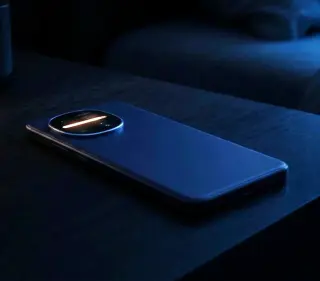
Sharp unveils the Aquos R11 with a Leica-branded triple-camera setup and a back RGB LED strip, plus a 6.5-inch Pro IGZO OLED display at 240 Hz, Snapdragon 8s Gen 4, 5,100 mAh battery, IP69 waterproofing, and Gorilla Glass Victus 2. It goes on sale in Japan on July 9, 2026 in a 12 GB/256 GB configuration for ¥163,900 (about $1,022), with no confirmed international release yet.
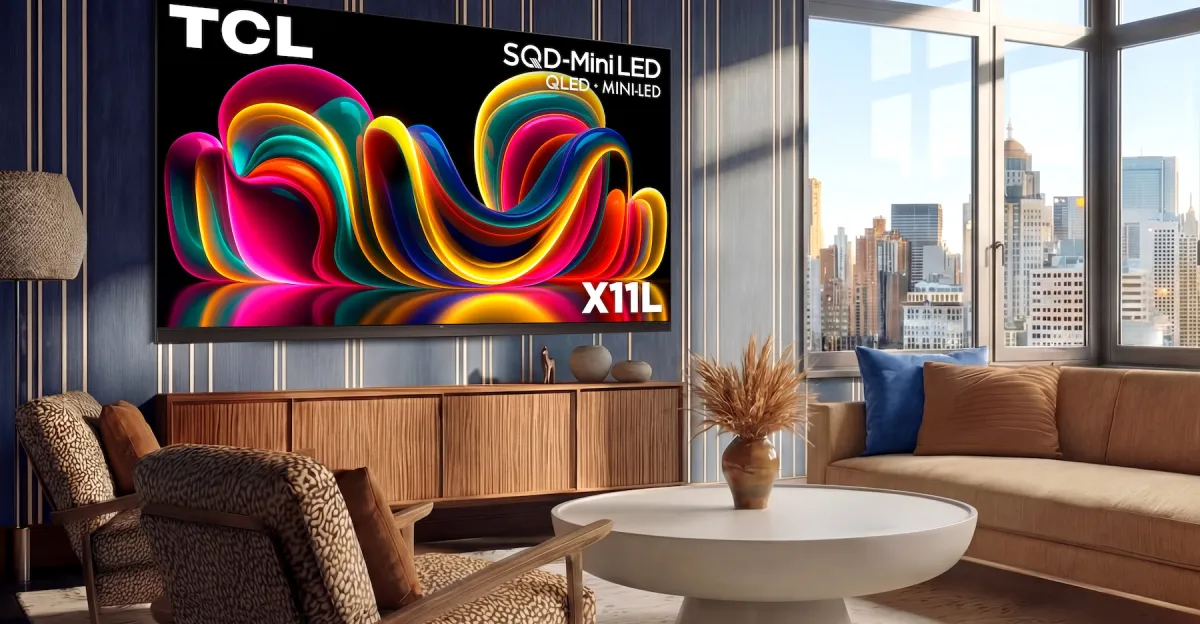
At Display Week, a TCL X11L SQD mini-LED TV and an RGB‑LED rival were shown side by side; the SQD model produced no color crosstalk and sharper contrast thanks to vastly more dimming zones (Nanosys cites up to 20,000; RTINGS measured 14,400 for the X11L) while the RGB LED backlight exhibited backlight color bleed into adjacent pixels and skin tones, reducing BT.2020 coverage, illustrating SQD’s current edge as RGB LED tech continues to evolve.
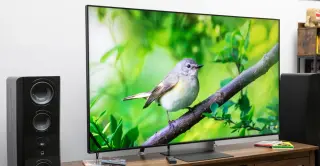
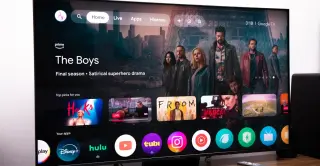
Hisense’s UR9 RGB LED TV (65-inch tested at $3,500; available in 65/75/85/100 inches) uses individual RGB LEDs to deliver bright HDR with colors beyond P3 and offers 3 HDMI 2.1 ports plus a USB-C DisplayPort on Google TV. It’s competitive with flagship OLEDs on brightness and value, but OLED still wins on contrast; RGB LED is a promising path forward, though not yet a replacement for OLED.
Tom’s Guide argues that 2026 marks RGB LED TVs’ ascent, with brands like Samsung and Hisense rolling out RGB LED models that could supplant high-end Mini-LED sets. While RGB LED promises brighter, purer color, it’s still early days: the market could either replace flagship Mini-LEDs with RGB LED or redefine both categories as RGB LED models prove their performance in real-world testing. The article discusses specific RGB LED models from Hisense and Samsung and compares them to last year’s Mini-LED flagships, noting this pivot could reshape the high-end LCD market in coming years.
RGB LED TVs, also known as micro RGB or RGB mini LED, are emerging as a major technology in 2026, promising highly accurate colors and extreme brightness by using red, green, and blue backlighting. These TVs aim to surpass previous LED and OLED models in color range and brightness, with early models from major manufacturers showcasing impressive visuals, though some issues like color bleed and blooming remain to be fully tested and addressed. This technology is expected to become a key feature in mid-tier TVs, enhancing content quality and viewing experience over time.
TCL unveils the X11L SQD-Mini LED TV at CES, featuring advanced quantum dot technology and an ultra-color filter for enhanced color accuracy and brightness, aiming to challenge RGB LED TVs with support for Dolby Vision 2, multiple HDMI 2.1 ports, and premium sound, with models available for preorder at premium prices.
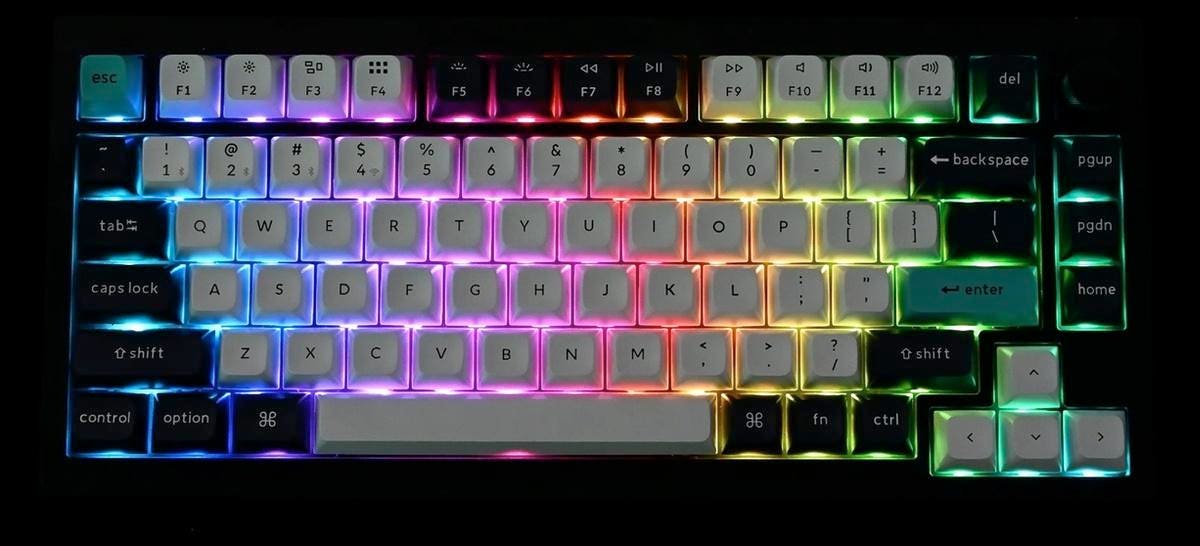
The Keychron Q1 Pro mechanical keyboard is a premium, well-built keyboard with a compact layout and solid construction, featuring a volume knob, choice of USB, Bluetooth, and wireless RF connections, and a variety of switch options. It has a metal body made from 6063 aluminum, hot-swappable Gateron-style switches with south-facing RGB LEDs, and a choice of keycap finishes. The keyboard offers exceptional responsiveness, improved typing accuracy, and less fatigue when typing for long periods, and can be extensively programmed using the VIA app or website. Priced at $209, the Q1 Pro is a superbly made keyboard ideal for day-long use, with a built-in battery that powers wireless connectivity and RGB LEDs.