Tag

Risc V

All articles tagged with #risc v

Palm-sized NASA chip could enable autonomous AI for space missions
technology11 days ago

Palm-sized NASA chip could enable autonomous AI for space missions

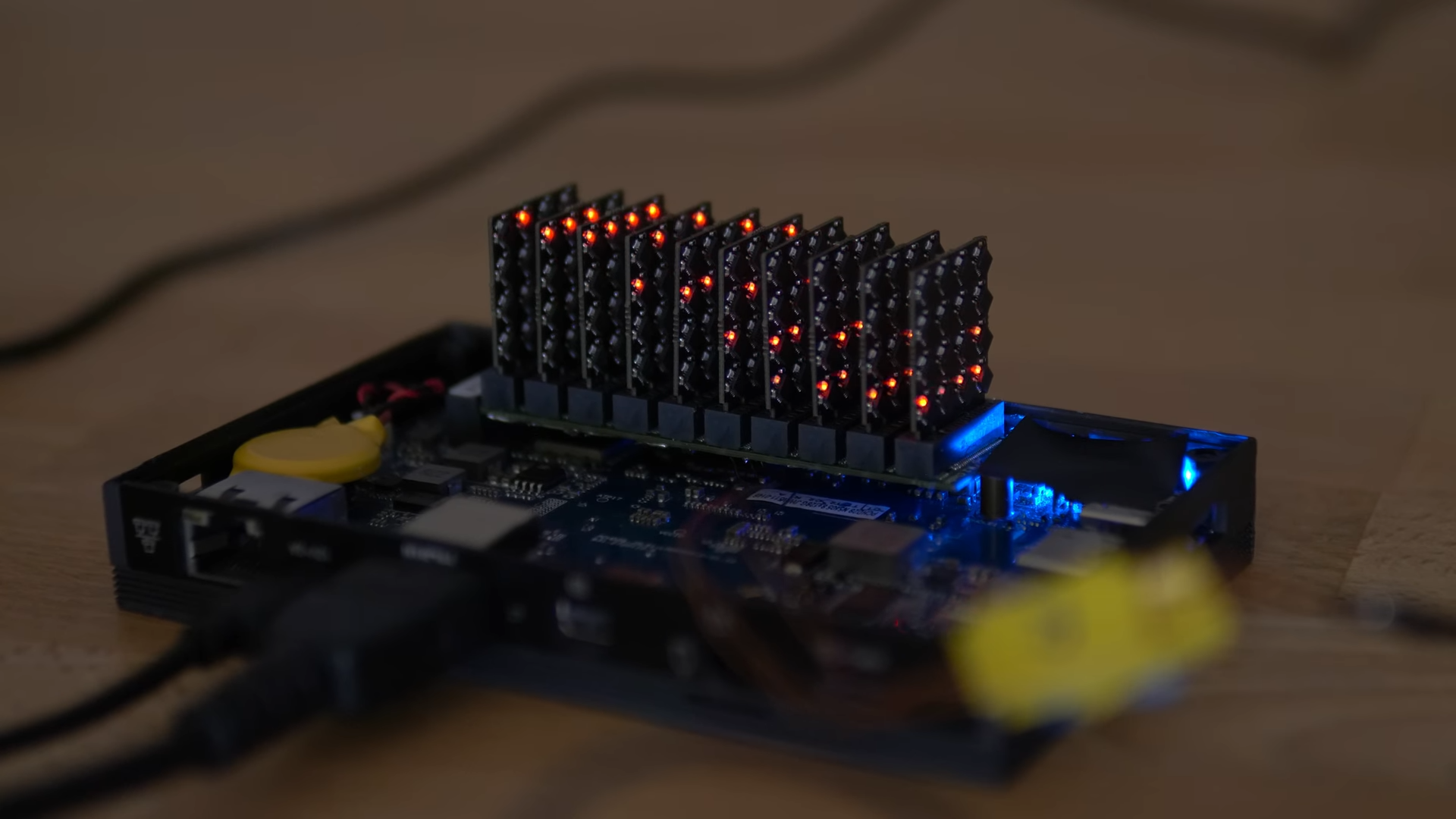
NASA’s JPL is testing the High Performance Spaceflight Computing (HPSC) chip, palm-sized and claimed to run about 500 times faster than current radiation-hardened flight CPUs in early tests. While not flight-qualified yet, it could enable autonomous onboard AI for tasks like data triage, hazard detection and instrument control, reducing reliance on long Earth-to-space communications (a round-trip to Mars can be roughly 44 minutes). The device is a system-on-chip with eight 64‑bit RISC-V cores and AI acceleration, but a full flight computer still needs memory, power regulation, shielding and flight software; qualification and integration remain the next hurdles before any mission carries HPSC.
Defcon Badges Contain a Verifiable Open-Source Security Chip You Can Take Home
technology24 days ago

Defcon Badges Contain a Verifiable Open-Source Security Chip You Can Take Home

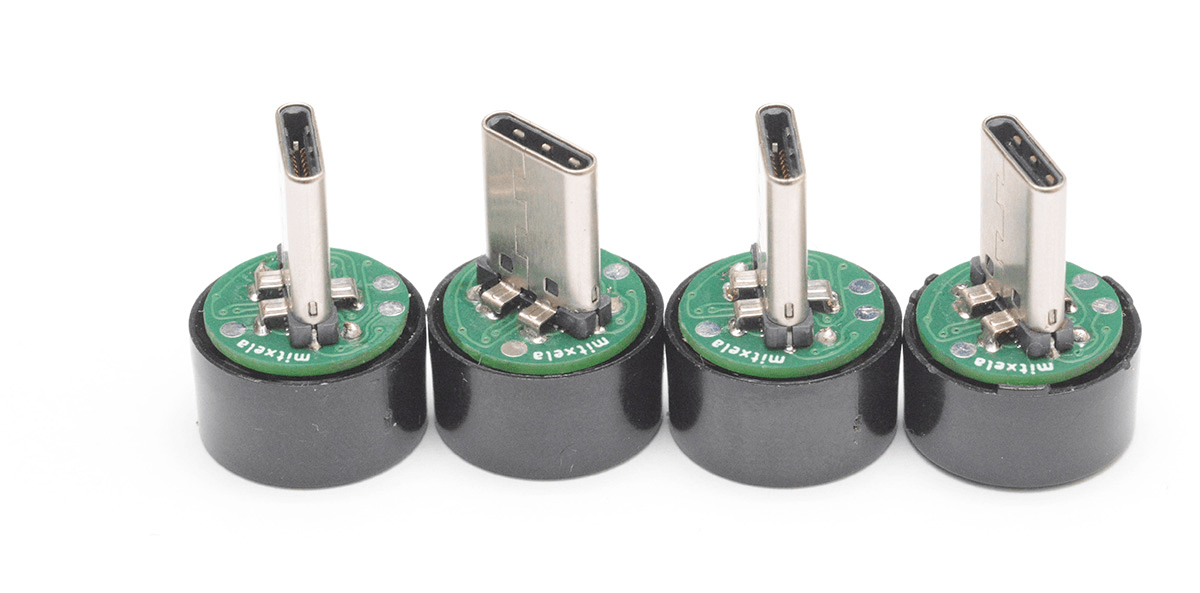
Defcon’s 2026 badges embed Baochip-1x, a removable, open-source hardware security token designed for verifiability and transparency; the module doubles as a FIDO-like key, supports QR-code registration, and runs a Rust-based OS with secure boot, TRNG, and resistive RAM; two variants exist (Huang’s open Baochip and a Crossbar/ARM counterpart), with infrared-inspection packaging to verify the silicon; attendees will test and potentially extend its features beyond the conference.

"Rivos Secures $250 Million for AI Expansion"
technology2 years ago

"Rivos Secures $250 Million for AI Expansion"

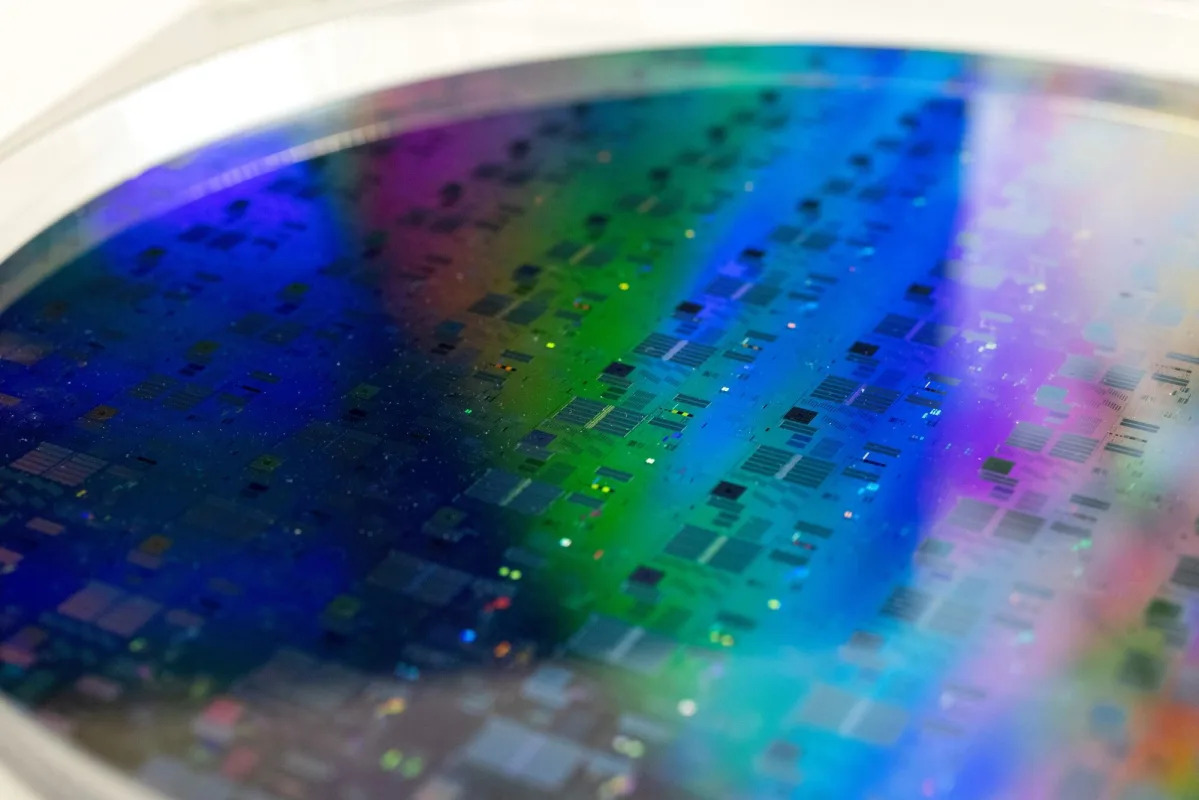
Silicon Valley chip developer Rivos Inc. has raised over $250 million, with Matrix Capital Management as the largest investor, to support its first product aimed at meeting the needs of artificial intelligence. The company is targeting AI users who don't require the most powerful chips, aiming to compete with Nvidia Corp. by offering cost-effective solutions using open-standard RISC-V design. The funding will be used to pilot produce chips using Taiwan Semiconductor Manufacturing Co.’s 3NE process technology, with investors including Intel Capital and MediaTek Inc. Rivos's CEO, Puneet Kumar, previously part of the team at P.A. Semi Inc., started the company in 2021 after a legal dispute with Apple, which has now been settled.

"Rising Tensions: US Braces for Chinese Chip Onslaught"
technology2 years ago

"Rising Tensions: US Braces for Chinese Chip Onslaught"

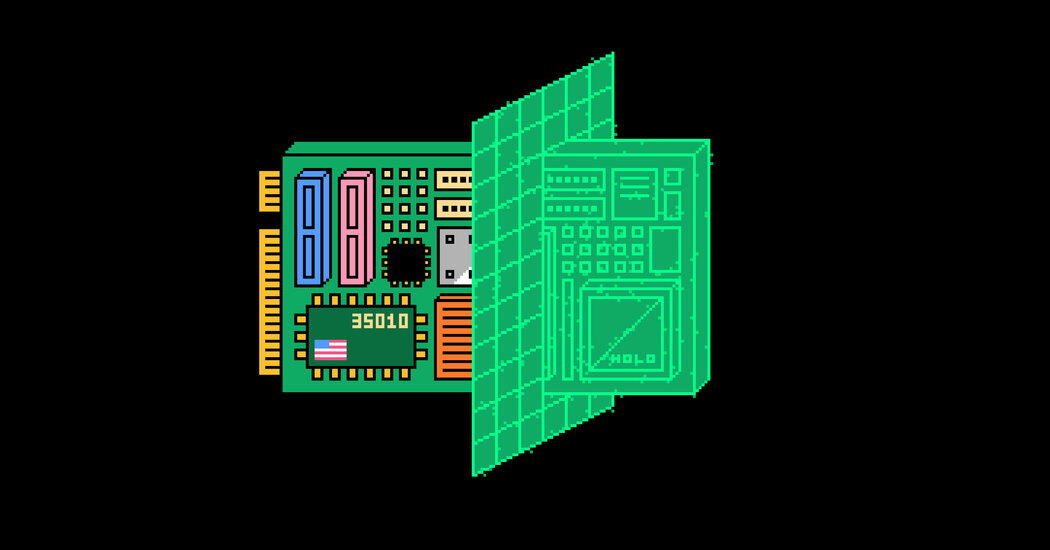
The U.S.-born chip technology RISC-V has become crucial to China's ambitions, sparking a new debate in Washington about potential restrictions on exporting the technology to China. RISC-V, which provides a common language for designing processors found in various devices, has become a central tool for Chinese companies and government institutions aiming to match U.S. semiconductor prowess. Lawmakers are considering extending restrictions to prevent U.S. citizens from aiding China on RISC-V, amid concerns about the technology being used to undermine export controls and advance the geopolitical interests of the Chinese Communist Party.

Enhancing the CH32V003 MCU with Temperature Sensor Capability
technology2 years ago

Enhancing the CH32V003 MCU with Temperature Sensor Capability

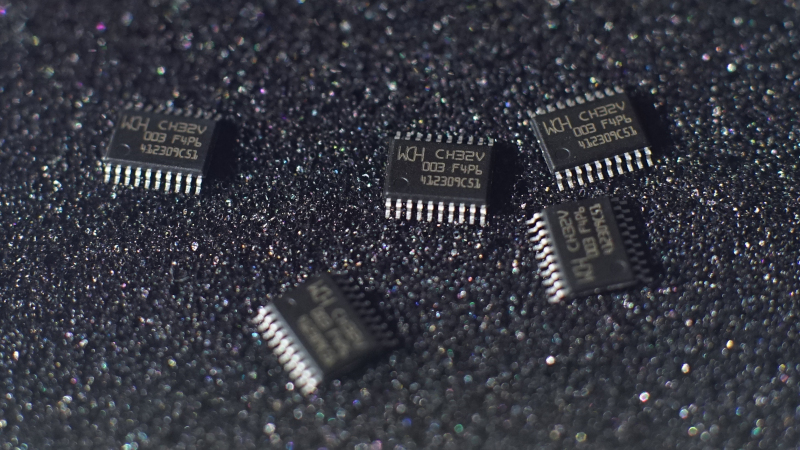
A low-cost CH32V003 MCU, lacking temperature measurement functionality, can be improvised to include a temperature sensor by measuring the drift between two internal clocks and using it to calibrate a temperature graph. By utilizing the automatic wake-up unit (AWU) and accessing the LSI clock source indirectly, a temperature plot was obtained, although the absolute accuracy of this method may vary per MCU. This crude temperature measurement solution could be sufficient for basic applications.

"RISC-V Processors: The Future of Android Phones?"
technology2 years ago

"RISC-V Processors: The Future of Android Phones?"

Android smartphones and other devices may switch to RISC-V-based processors in the coming years, as Google improves support for the open-source architecture. RISC-V, developed by the University of California, Berkeley, is gaining momentum as an alternative to ARM, which currently dominates the mobile device space. RISC-V's royalty-free and open-source nature appeals to smartphone brands, as it eliminates the need for costly licensing fees. Qualcomm is already developing a RISC-V-based processor for Wear OS smartwatches, and other chipset brands like MediaTek and Samsung may follow suit. This shift could lead to more affordable smartphones for consumers in the future.