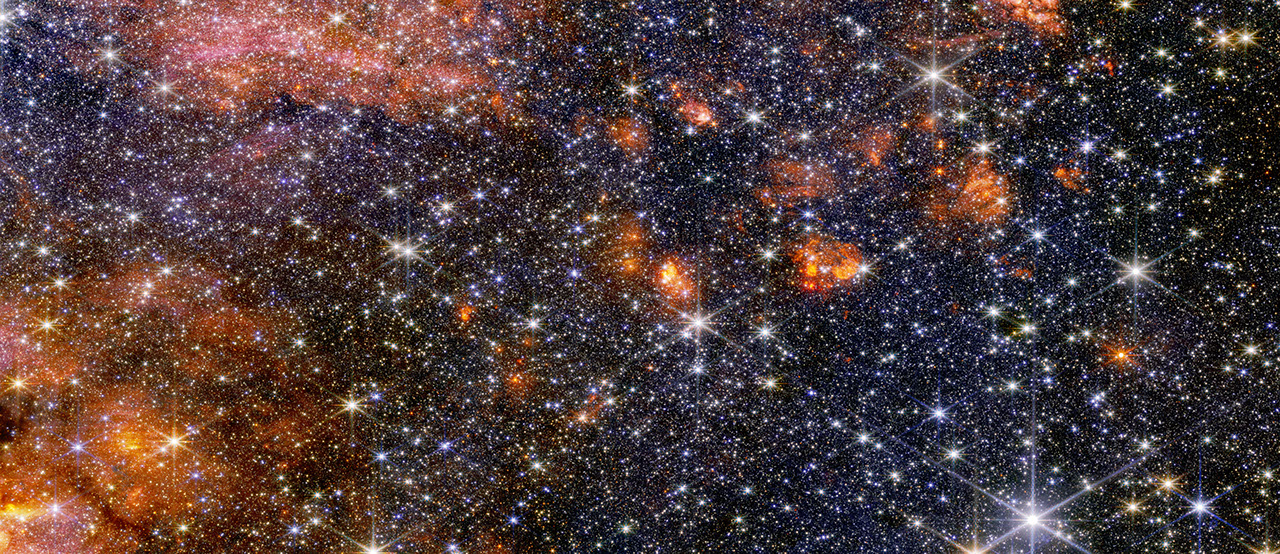
One Molecule, One Myth: Debunking Space’s Raspberry Flavor Narrative
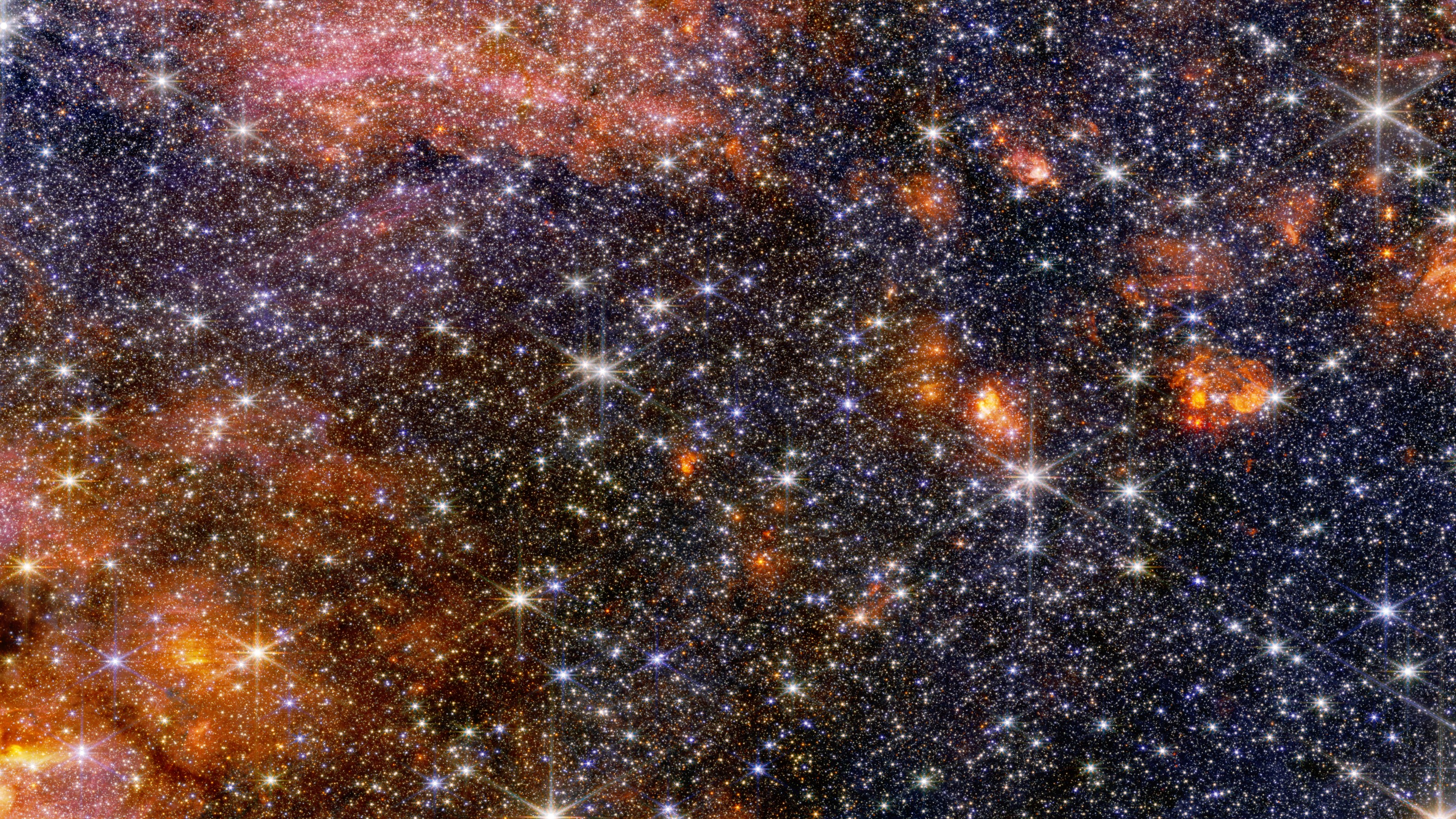
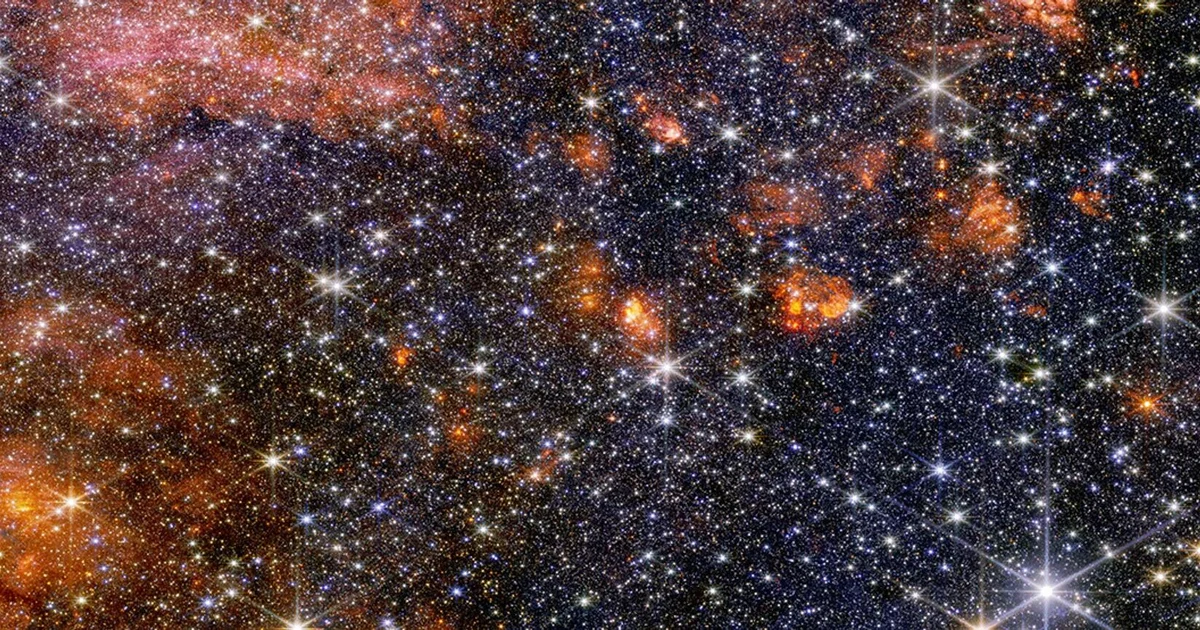
A 2009 detection of ethyl formate in Sagittarius B2 helped fuel the popular claim that space tastes like raspberries; however, ethyl formate is only one of many molecules in a vast, tenuous cloud, and the larger, more significant finding was the identification of n-propyl cyanide, showing complex organics can form in interstellar space. The raspberry framing is an oversimplification: the cloud’s chemistry does not equate to a space flavor, and space does not smell like raspberries—astronauts describe spaceflight smells as metallic. The broader takeaway is that complex organic chemistry, potentially related to prebiotic processes, can begin in interstellar environments long before planets form, though unambiguous amino acids have yet to be detected in space.