Astronomers detected erythrulose, a four‑carbon sugar, in a Milky Way molecular cloud using radio telescopes at Yebes and Granada, suggesting sugars can form on interstellar dust grains and potentially contribute energy for early metabolic processes relevant to the origins of life.
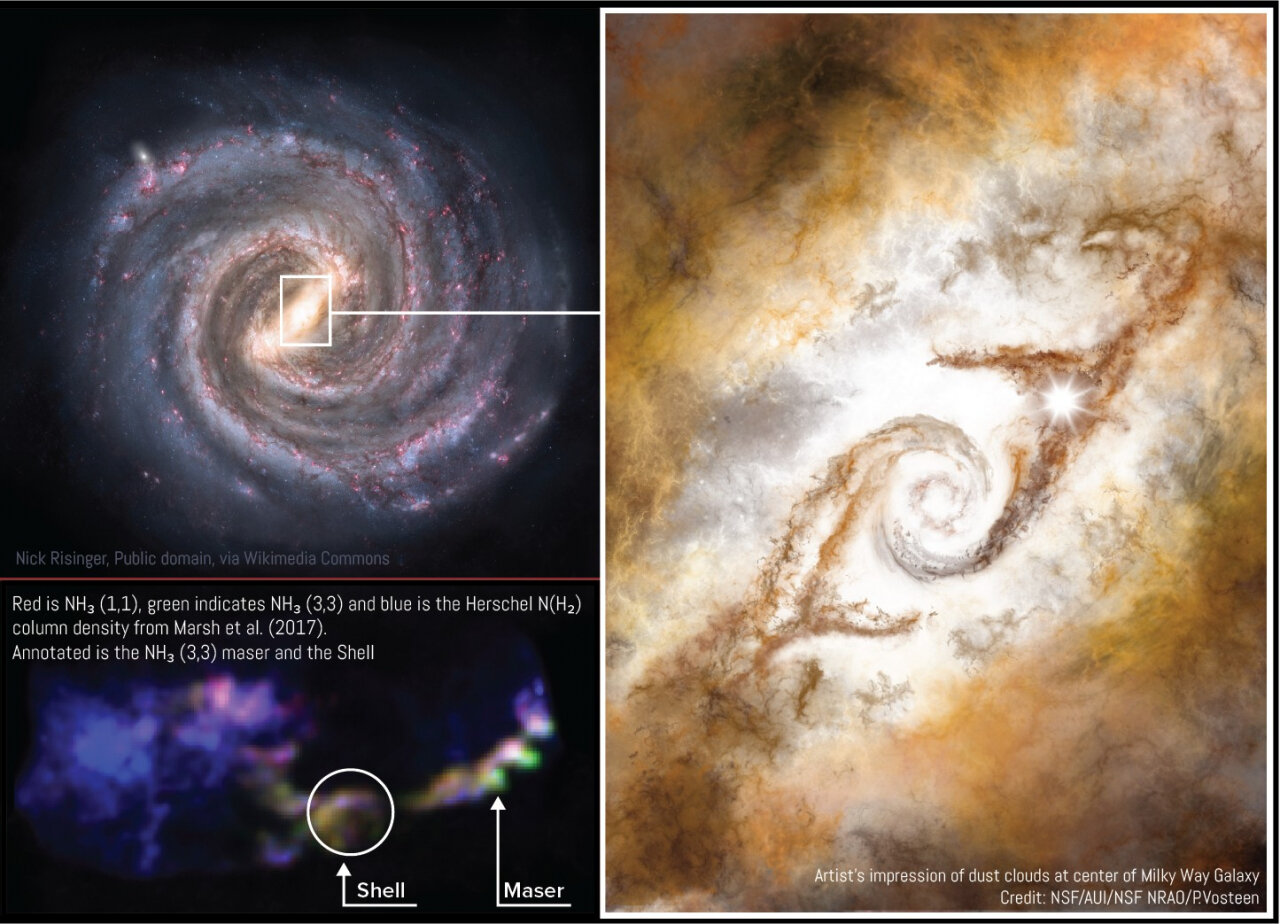
Astronomers detected erythrulose, a four-carbon sugar, in a Milky Way center molecular cloud (G+0.693−0.027) using the Yebes 40m and IRAM, finding it surprisingly abundant and likely formed in interstellar ices; they estimate 0.5–50 million tonnes could have been delivered to Earth during the Late Heavy Bombardment, suggesting space-made sugars may have helped seed Earth's early metabolism and possibly hinting at other sugars like ribose in space.
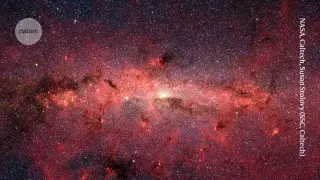
Astronomers have detected erythrulose, a four-carbon sugar, in a molecular cloud near the Milky Way’s center, marking the first true sugar found in interstellar space and supporting ideas that complex organic molecules crucial to life can form in space and may have been delivered to early Earth via comets and meteorites.
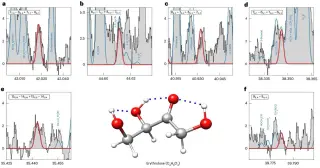
Astronomers directly detected erythrulose, a four-carbon sugar, in the Milky Way’s molecular cloud G+0.693−0.027 using Spain’s Yebes 40-meter and IRAM 30-meter telescopes. The sugar’s spectral fingerprint matched 12 lines, and erythrulose was found to be eight times more abundant than simpler sugars, revealing chemical complexity in space before stars or planets form and suggesting life-building blocks may pre-exist in star-forming clouds; researchers plan to search for larger sugars like ribose next.
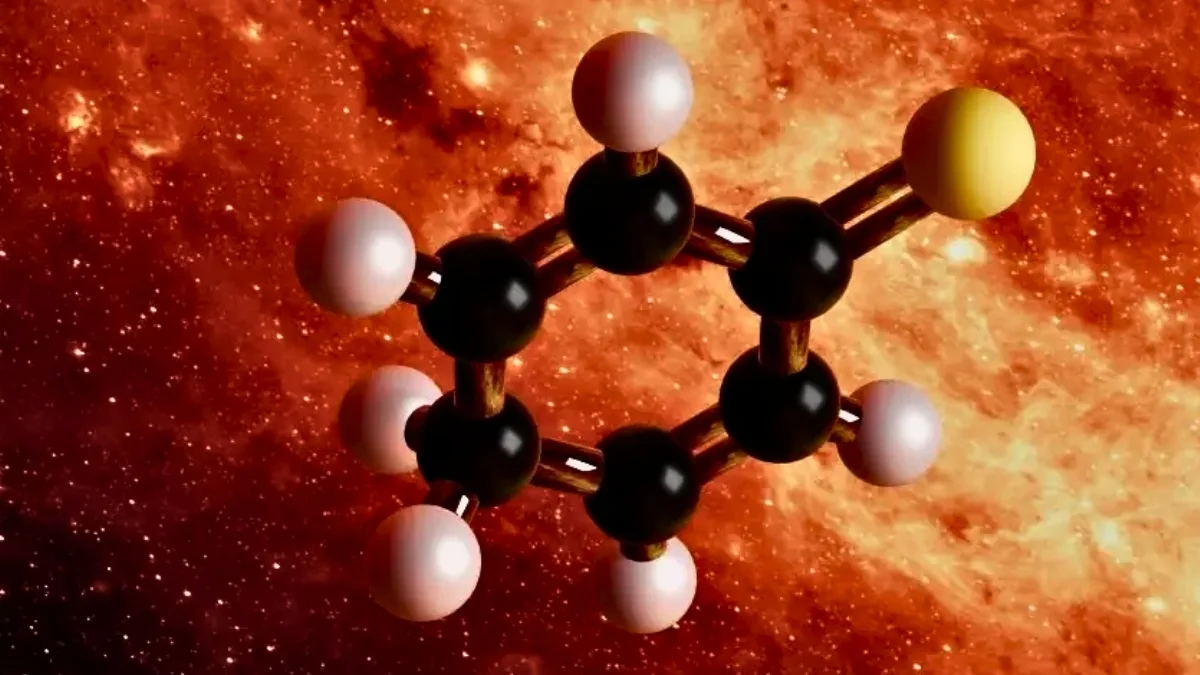
Astronomers detected thiepine (C6H6S), the largest sulfur-bearing molecule observed in interstellar space, in the G+0.693–0.027 molecular cloud near the Galactic center. By lab-synthesizing the molecule and matching its spectral fingerprint with observations from the IRAM 30m and Yebes 40m telescopes, researchers confirmed its presence and reinforced the idea that complex sulfur chemistry in star-forming regions could lay the groundwork for prebiotic molecules, linking space chemistry to the origins of life. The finding, published in Nature Astronomy, expands known interstellar sulfur chemistry and suggests more complex molecules await discovery.
The James Webb Space Telescope captured a detailed image of the Sagittarius B2 molecular cloud, a highly efficient star-forming region about 26,000 light-years away, revealing complex chemical areas and offering clues to its extraordinary star production despite limited gas resources.
Astronomers discovered a massive molecular cloud in the Milky Way, weighing as much as 160,000 suns and located 23,000 light-years away, which could provide new insights into star formation and galaxy evolution.
Astronomers have discovered a massive, previously unknown molecular cloud in the Milky Way, called the Midpoint cloud, which is fueling star formation and providing insights into the galaxy's gas dynamics and evolution.
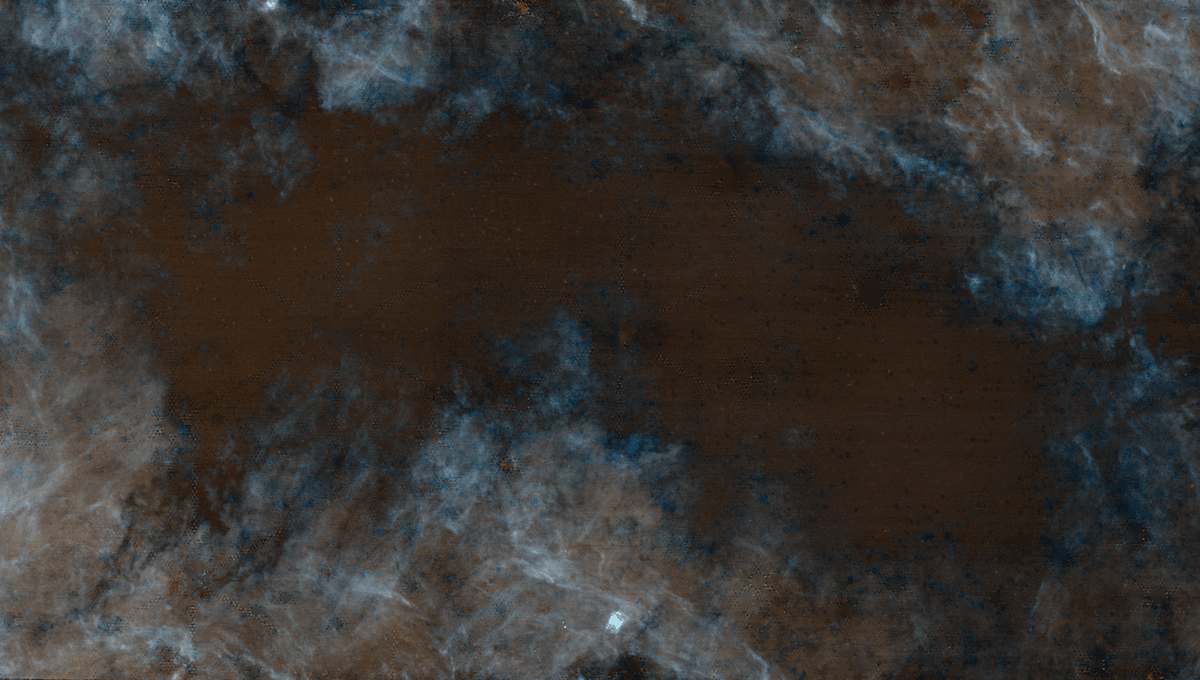
Researchers have finally provided insights into the paradoxical dark cloud called "The Brick" at the center of our galaxy, the Milky Way, which has shown little star formation despite its ideal conditions. New observations from the James Webb Space Telescope (JWST) revealed that the cloud contains a significant amount of ice, a peculiar discovery. However, the presence of ice does not explain the lack of star formation. The gas at the center of The Brick is warmer than expected, which may be a crucial factor. Further observations are planned to understand the chemistry and dynamics of the cloud.
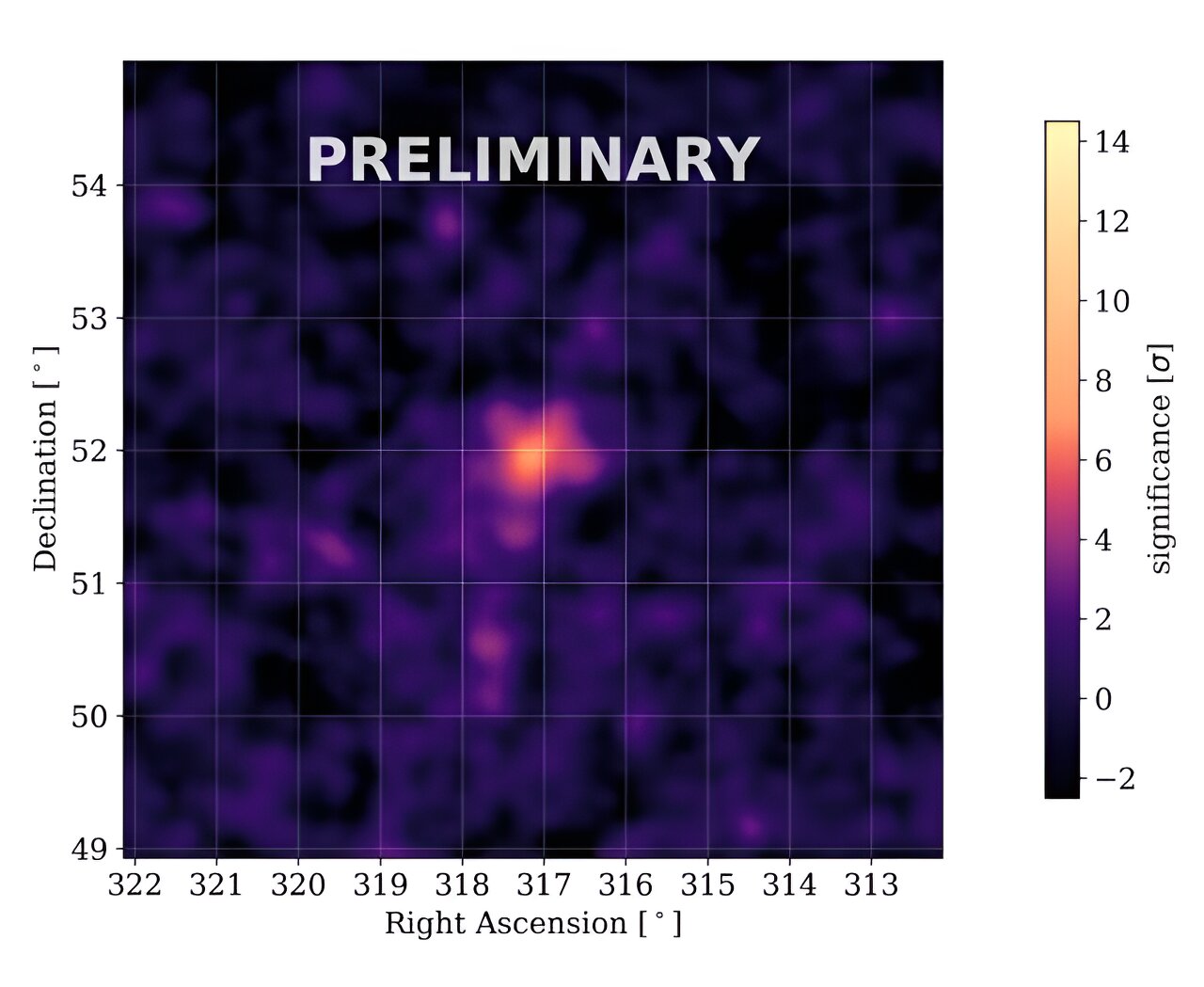
Astronomers have investigated a mysterious ultra-high energy gamma-ray source called LHAASO J2108+5157, located about 10,700 light years away. The nature of these ultra-high energy sources is not well understood, so researchers used the VERITAS and HAWC observatories to study the emitted gamma-rays. The observations found no significant emission close to the source, suggesting a leptonic origin of the emission. However, the discovery of a new molecular cloud in the vicinity of LHAASO J2108+5157 indicates that the gamma rays may be produced through the hadronic channel with the molecular cloud as the main target for cosmic ray particles. Further observations and analysis are needed to fully understand the nature of this ultra-high energy source.
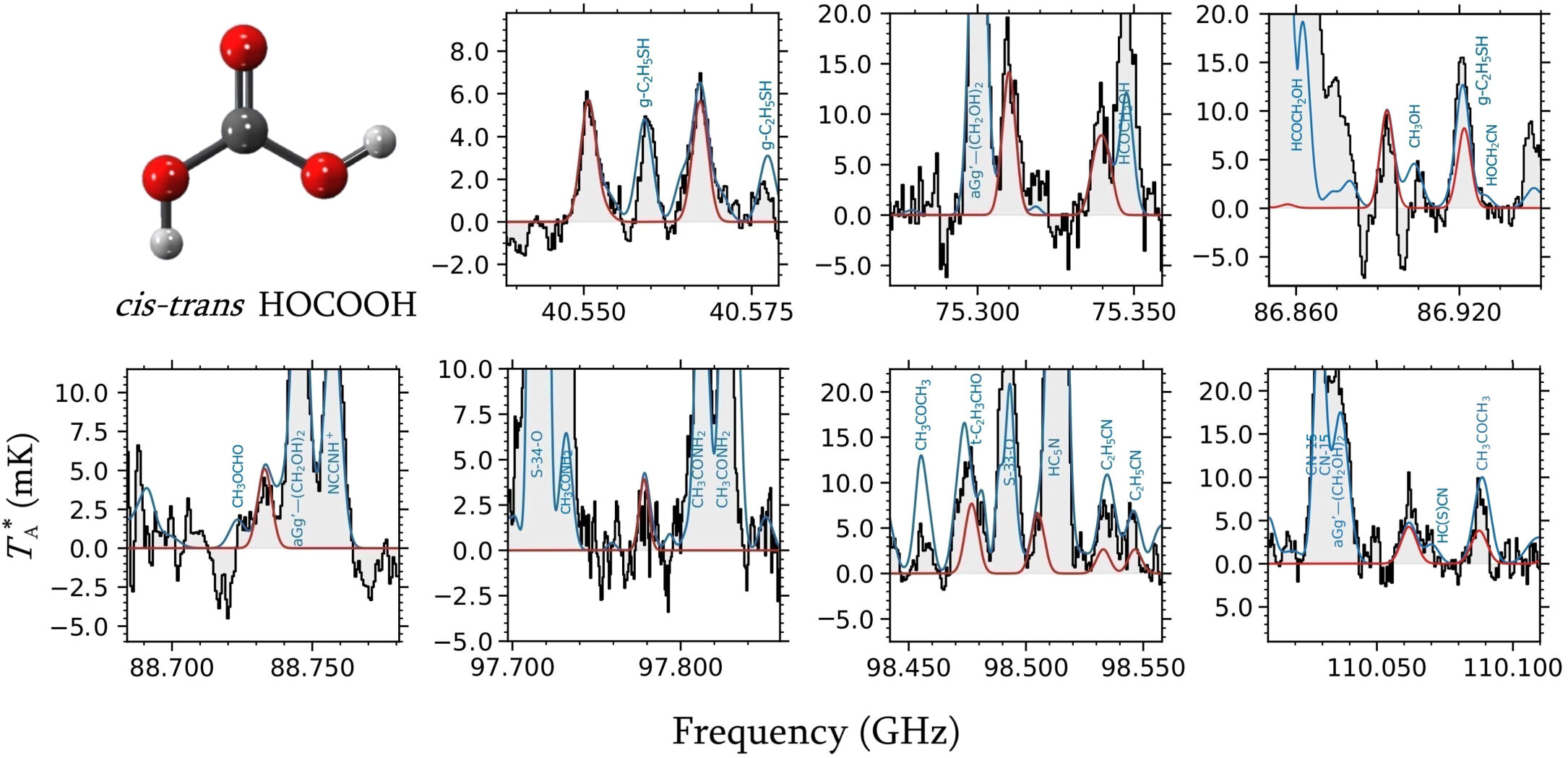
Scientists have discovered evidence of carbonic acid (HOCOOH) in interstellar space for the first time. This finding adds to the growing list of carboxylic acids found in distant locations, supporting the theory that these compounds may have been delivered to Earth via comets or meteorites. The presence of carbonic acid in an interstellar molecular cloud suggests a high degree of complexity in the interstellar medium and raises the possibility of other amino-acid-related compounds. The discovery also hints at the potential abundance of carbonic acid in interstellar space, despite its previous undetectability by radio astronomical observations.