Mitochondrial Epigenetics Quiet Chronic Inflammation in Aging Cells
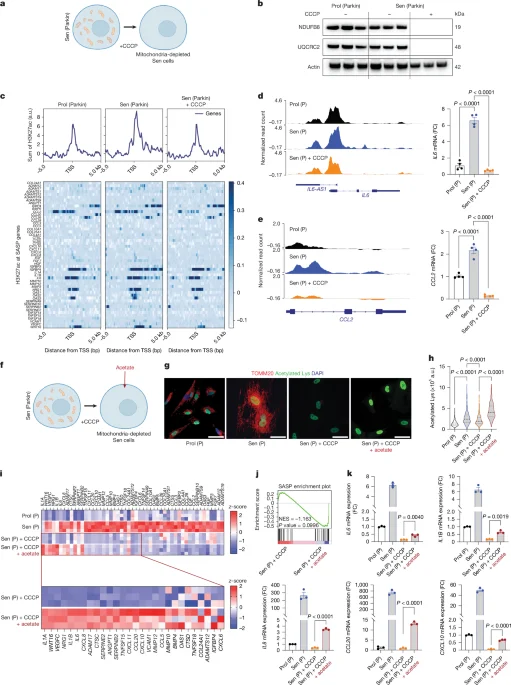
Mayo Clinic researchers link aging “zombie” cells’ persistent inflammation to a two‑part mechanism: damaged mitochondria leak immune-activating DNA/RNA to trigger inflammatory signals, and increased mitochondrial metabolism raises acetyl‑CoA, enabling epigenetic changes that make inflammatory genes more accessible. Blocking the mitochondrial citrate transporter SLC25A1 cuts acetyl‑CoA supply and dampens SASP-driven inflammation even with ongoing immune signaling, offering a way to reduce aging‑related inflammation without destroying the cells.