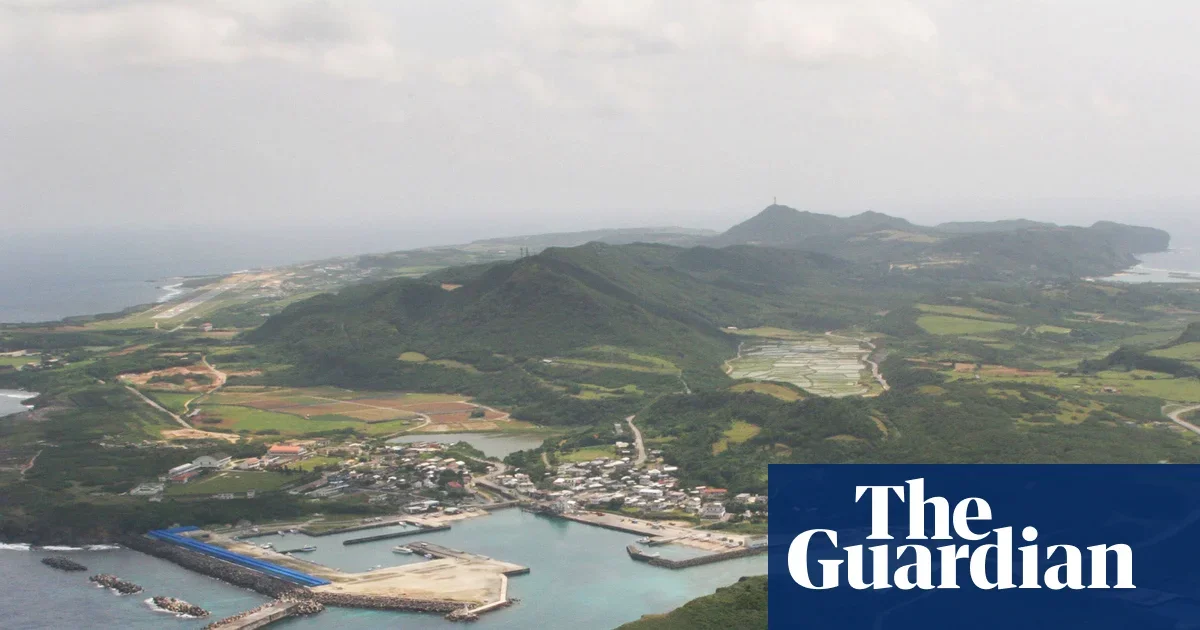
Japan plans to place surface-to-air missiles on Yonaguni, its westernmost island near Taiwan, by March 2031 (fiscal 2030), according to Defence Minister Shinjiro Koizumi, as Tokyo steadies against China amid Taiwan security concerns and ongoing Senkaku/ Diaoyu tensions; locals worry about militarization of the small island that already hosts an SDF base.
The Wall Street Journal reports the United States plans to withdraw roughly 1,000 troops from Syria over about two months, including from the al-Tanf base, as part of a deliberate, conditions-based transition. The move follows an January agreement to reshape Syria’s security structure by integrating the Kurdish-led SDF into the Syrian army, a step aimed at national unity. Officials say the withdrawal is not tied to Iran tensions, though the US has recently boosted regional forces near Iran.
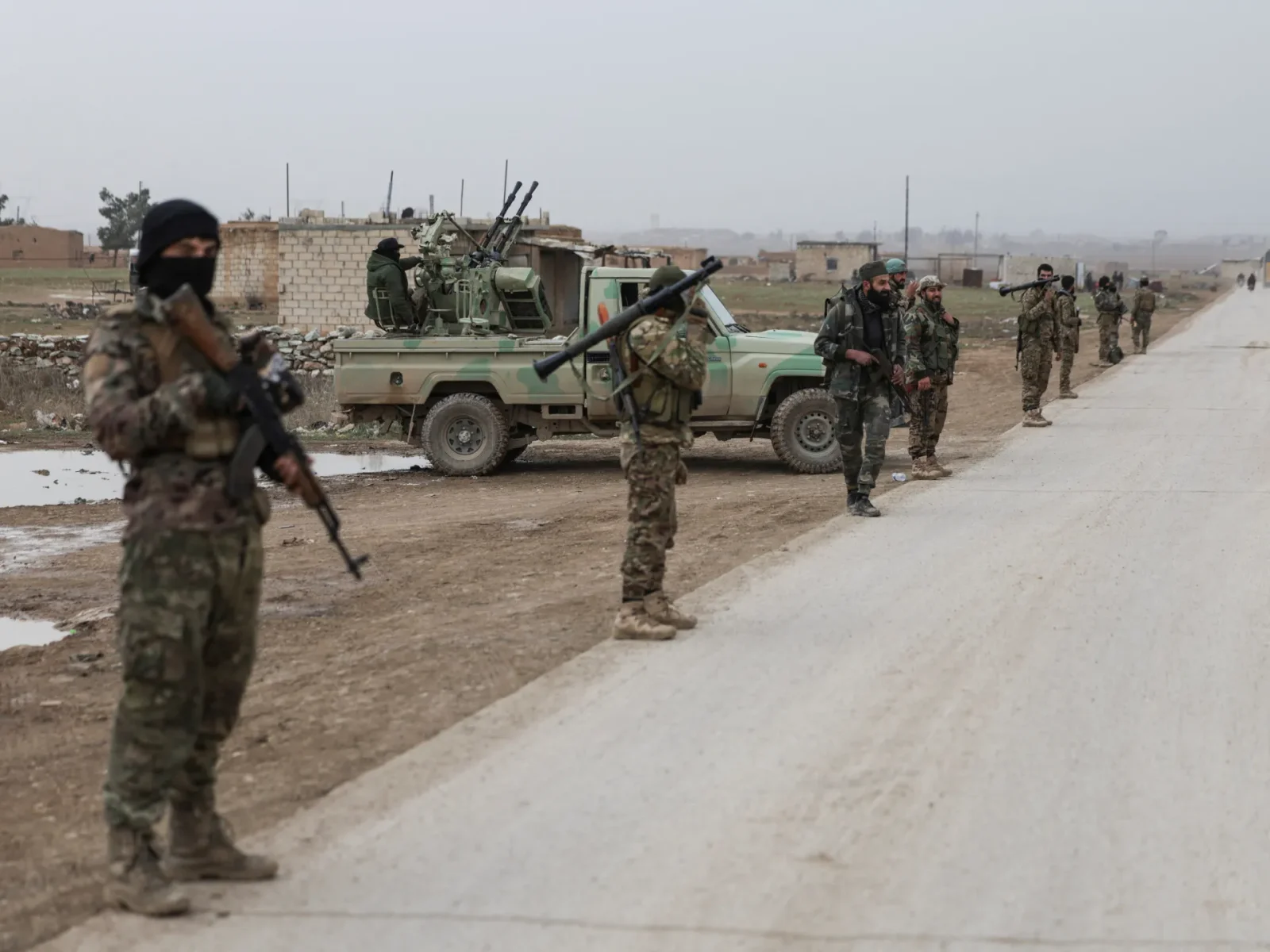
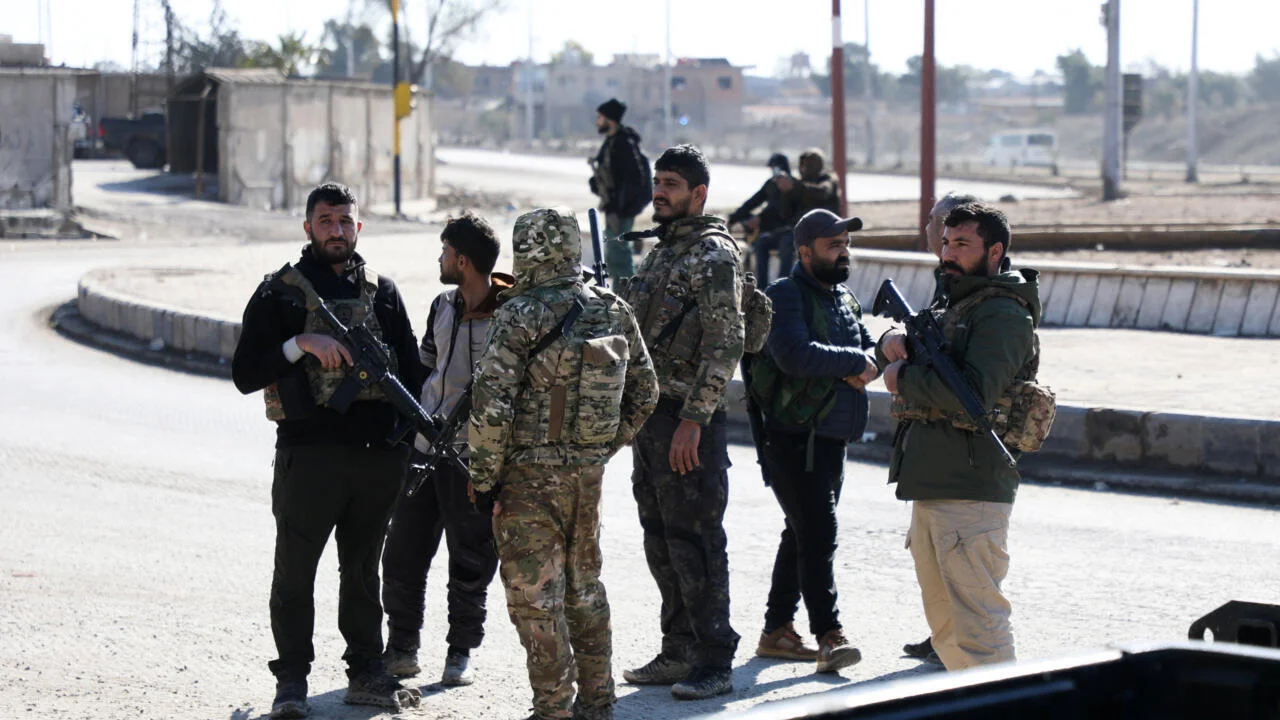
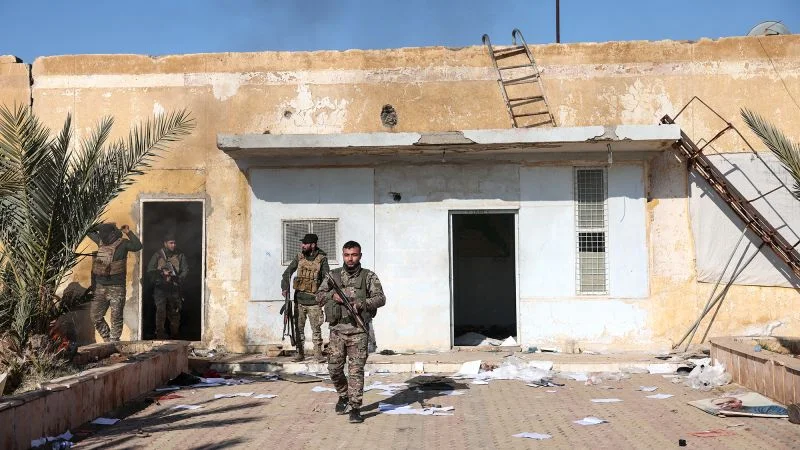
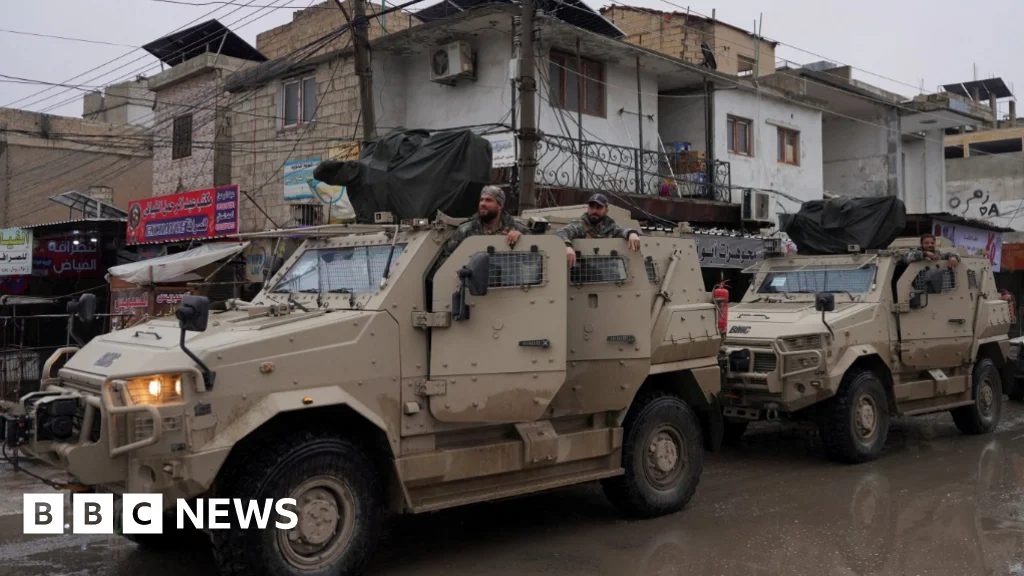
The Syrian Arab Army has taken over the al-Shaddadi military base in Hasakah province after U.S. troops withdrew, a development coordinated with the United States under a ceasefire with the Kurdish-led SDF. The move follows Washington’s broader pullback in Syria, including the earlier seizure of al-Tanf, and signals a shift toward closer coordination with the Damascus government, even as the U.S. continues ISIS-targeted air strikes via CENTCOM and aims to stabilize regional agreements with other communities.
The US military conducted 10 strikes on more than 30 Islamic State targets in Syria between Feb 3 and Feb 12 as part of Operation Hawkeye Strike, targeting ISIS infrastructure and weapons storage and hitting over 100 targets in total. The effort followed an ambush in Palmyra that killed US personnel and prompted intensified efforts against ISIS. Washington has worked with the Kurdish-led SDF, while Damascus has joined the anti-IS coalition and agreed to cooperate. The US is reducing its troop footprint, evacuating detainees to Iraq for trial, and Syria has taken control of key ISIS prisons and camps, including al-Hawl, though humanitarian groups say the foreigners’ annex at the camp has largely emptied.
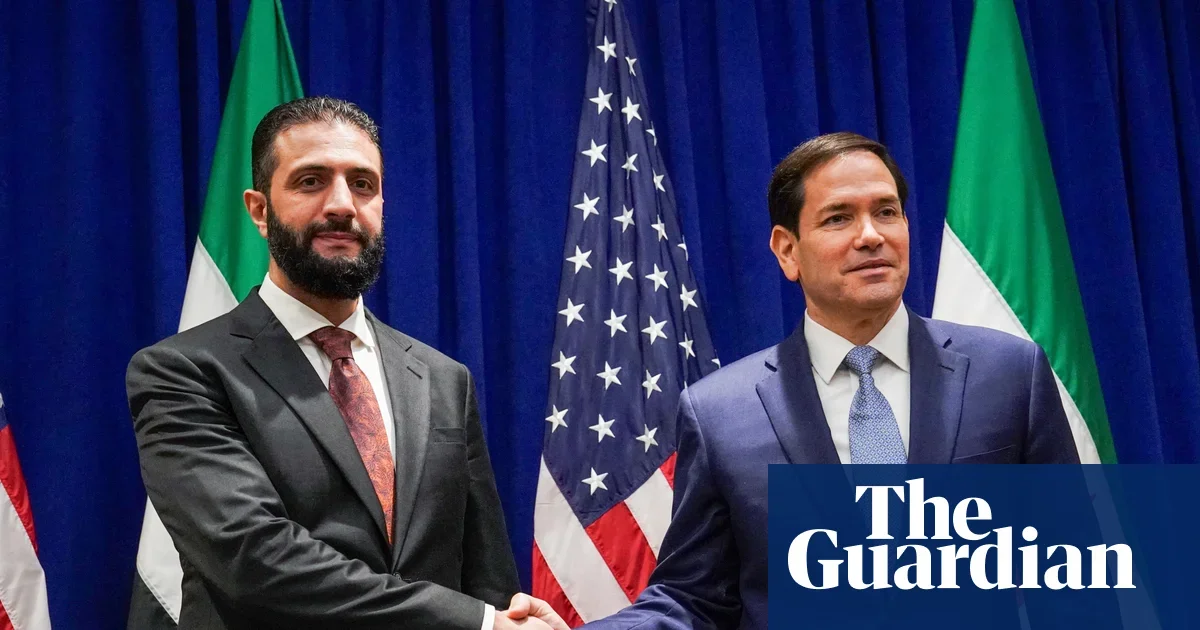
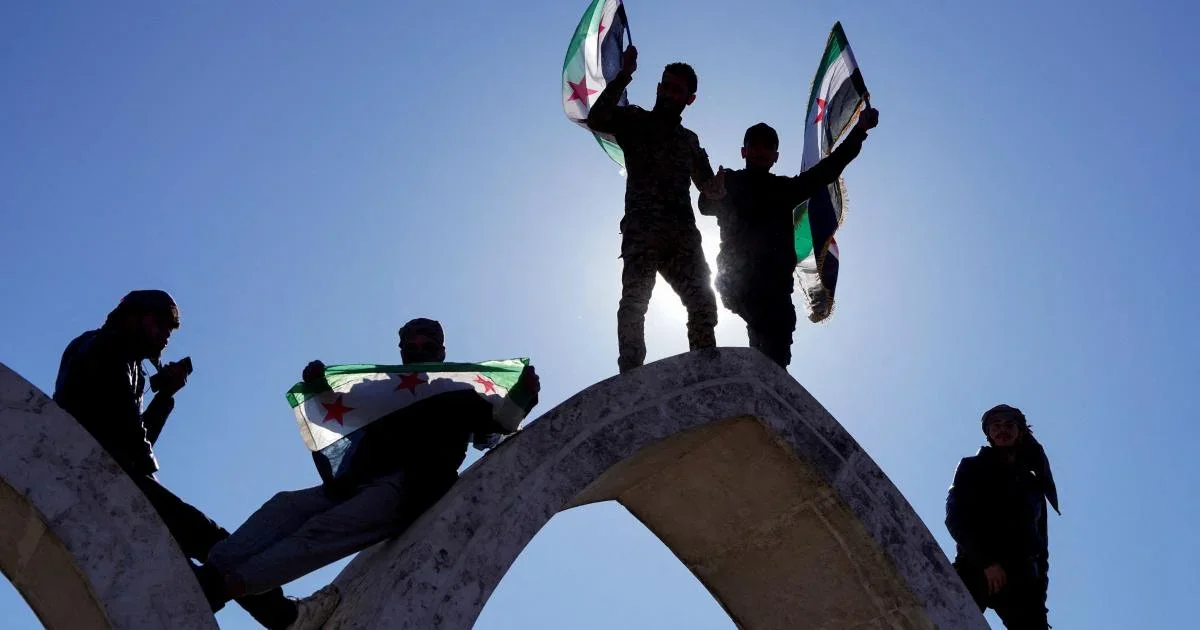
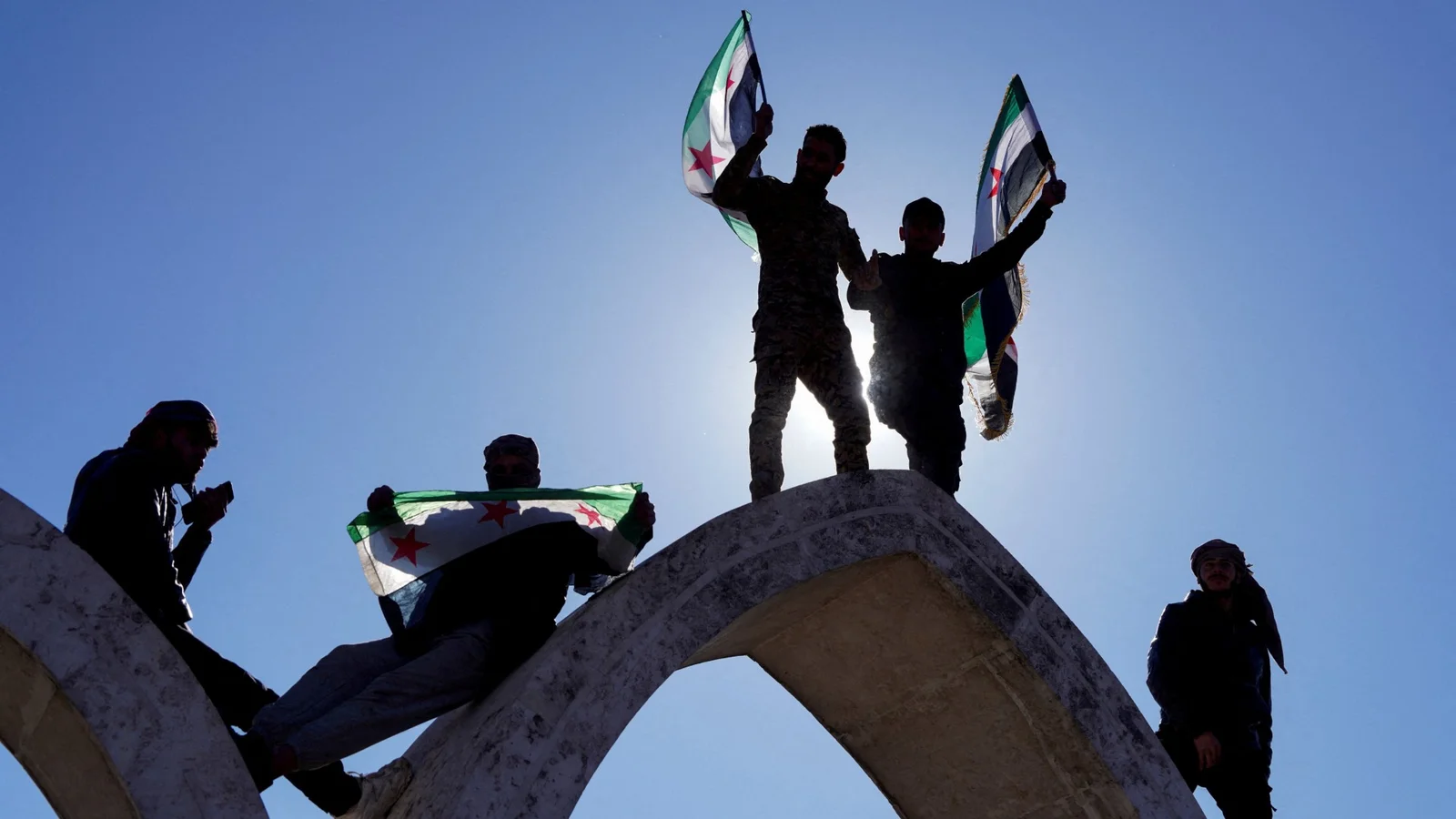
Ahmed al-Shara, who toppled Assad’s regime and secured sanctions relief, now confronts a fragile domestic project as power concentrates within a narrow circle of former HTS leaders. While Damascus has rebuilt relations with the world, integrated former rivals into a single army, and pursued reforms, meaningful political participation remains blocked, minorities and Sunnis worry about their place, and security abuses threaten legitimacy. The SDF’s integration signals progress but falls short of guaranteeing Kurdish rights or broader inclusion. Without expanding political participation and empowering parliament, Syria risks hollow legitimacy or renewed violence despite external support.
The Syrian government and the Kurdish-led SDF agreed to a phased integration of Kurdish forces into state institutions, with SDF troops joining the army, civil and educational rights for Kurds guaranteed, and control of oil fields and other assets transferred to Damascus, following a ceasefire and shifts in northeast territory after months of clashes.
Swiss-Kurdish groups told The Jerusalem Post that Israel’s own security depends on protecting Kurds and other minorities in Rojava (northeast Syria). In a letter to Israeli Ambassador Tibor Schlosser and President Isaac Herzog, the Kurdish-Jewish Alliance and three other associations urged Jerusalem to back minority communities attacked by the Syrian regime, defend regional airspace, and condemn Turkey’s incursions. They argue the regime’s assaults, the humanitarian crisis around the SDF’s territories, and the U.S. withdrawal have left Kurdish groups exposed, and that safeguarding Kurdish communities aligns with Israel’s strategic interests against extremism; the letter also highlights historic Jewish-Kurdish ties.
Damascus is pressuring the Kurdish-led SDF to fold Rojava into Syria, eroding the autonomous zone the Kurds built with US backing as territories shrink and ISIS detention camps move under central control. With Washington’s support waning and regional powers recalibrating, Kurdish independence dreams appear more fragile, potentially shifting any leverage toward Iraqi Kurdistan while Turkey and Israel adjust their roles. The path forward remains uncertain and contingent on broader geopolitical realignments.
The United States has shifted away from backing the Kurdish-led Syrian Democratic Forces after a rapid string of clashes and a Damascus offensive that eroded SDF power. A U.S.-mediated ceasefire led to the SDF signing a deal to dissolve its separate command and integrate fighters into the Syrian army, leaving a limited presence only in Hassakeh. The move marks a major realignment of U.S. policy toward Syria’s postwar governance and reflects deep disagreements over decentralization and minority protections, with Washington choosing not to intervene as the SDF hoped for continued U.S. backing if conflict with Damascus resumed.
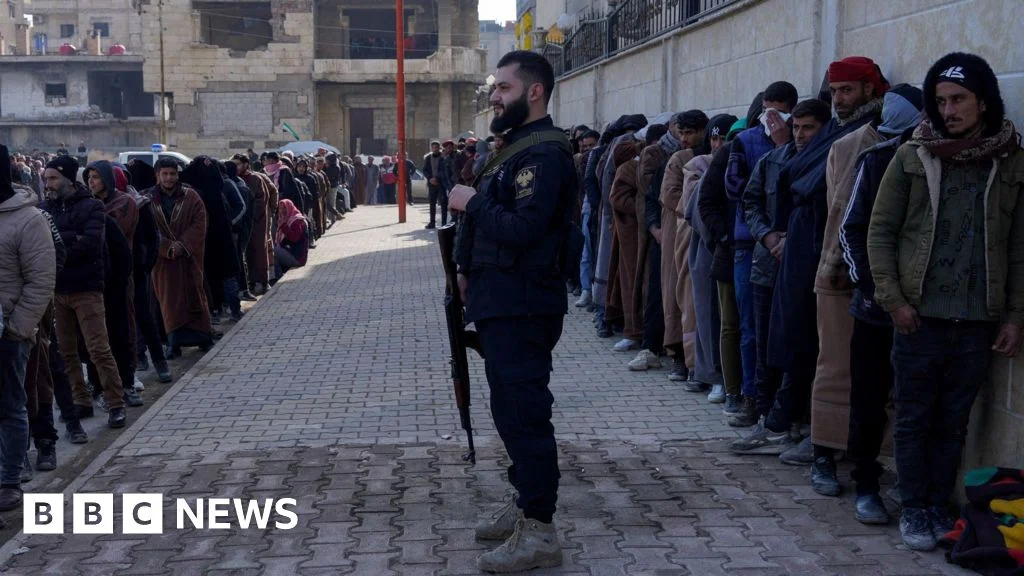
Syrian government forces are pursuing ISIS detainees after about 120 inmates escaped from al-Shaddadi prison in Hasakah; 81 have been captured so far, with intensive security operations continuing as Damascus seeks to extend control over Kurdish-held areas. The Kurdish-led SDF has accused the government of complicity in the break and pulled back from Al-Hol camp, which holds tens of thousands of ISIS-linked civilians, amid concerns over international response and a waning U.S. role. CENTCOM says Al-Hol and Al-Roj together hold more than 40,000 displaced people, underscoring the fragile security situation in northeast Syria.
A Turkey-brokered deal between Damascus and the US-backed SDF would dissolve the group’s autonomous status by integrating its fighters into Syria’s defense and interior ministries after vetting, return control of eastern oil and gas fields to Damascus, move Hasakah’s institutions under central authority, hand border crossings to the Syrian army, and require expulsion of non-Syrian PKK members. If fully implemented, the accord would satisfy Ankara’s security demands, curb the SDF’s autonomy, and potentially unlock progress in Turkey’s peace talks with the PKK, while shifting regional dynamics and reducing Israeli influence over the SDF.
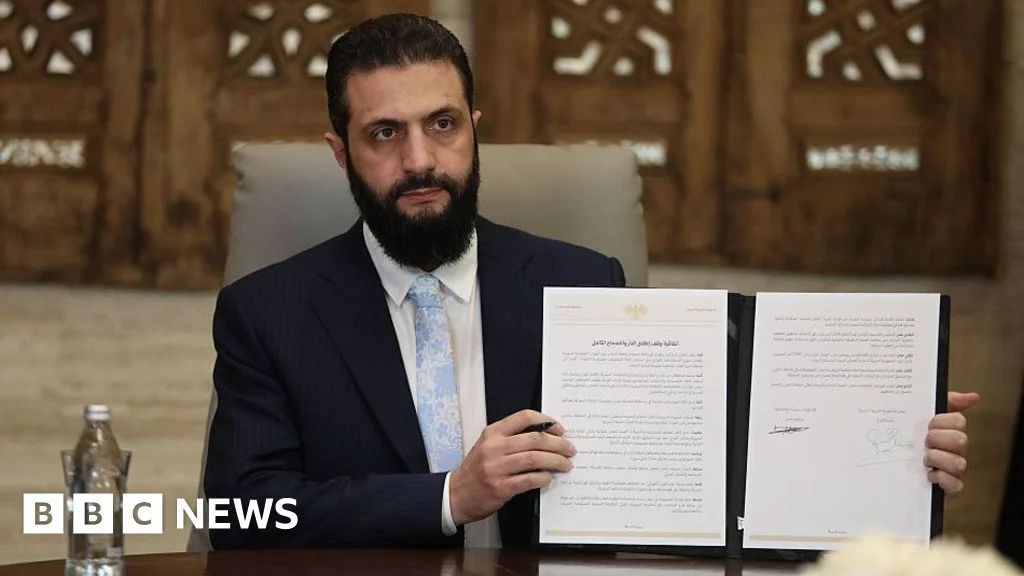
Syria’s government and the Kurdish-led SDF announced a 14-point deal to bring Kurdish civilian and military authorities under central state institutions, merging SDF forces into the defence and interior ministries as individuals, and handing border crossings, oil and gas fields, prisons and camps housing ISIS fighters to the government; Deir al-Zor and Raqqa would come under government control, with Hasakeh’s governor appointed by consensus and the SDF allowed to nominate some leaders, plus a commitment to expel all non-Syrian PKK affiliates. The pact aims to end days of fighting, though some clashes linger and key details remain to be finalised; U.S. envoy Tom Barrack called it a pivotal inflection point, while regional dynamics, including Turkey’s stance, keep pressure on the process and a Monday meeting between Mazloum Abdi and President Sharaa is planned.
Syria and the Kurdish-led SDF announce an immediate nationwide ceasefire and a 14-point plan to integrate SDF forces into Syria’s defense and interior ministries, with Damascus taking control of three eastern/northern governorates, border crossings, and oil/gas facilities, while pledging to recognize Kurdish cultural rights and maintain the US-led campaign against ISIS.
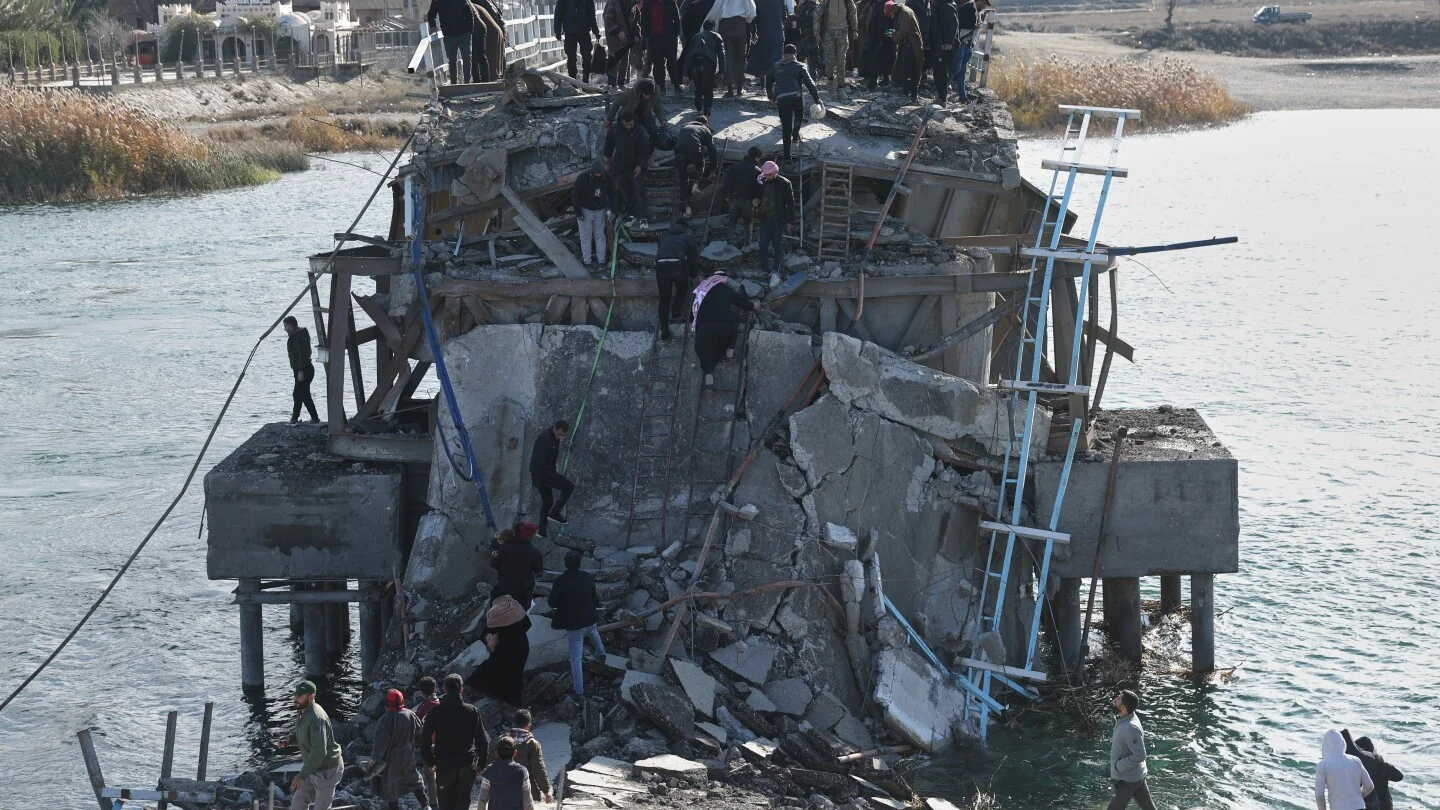
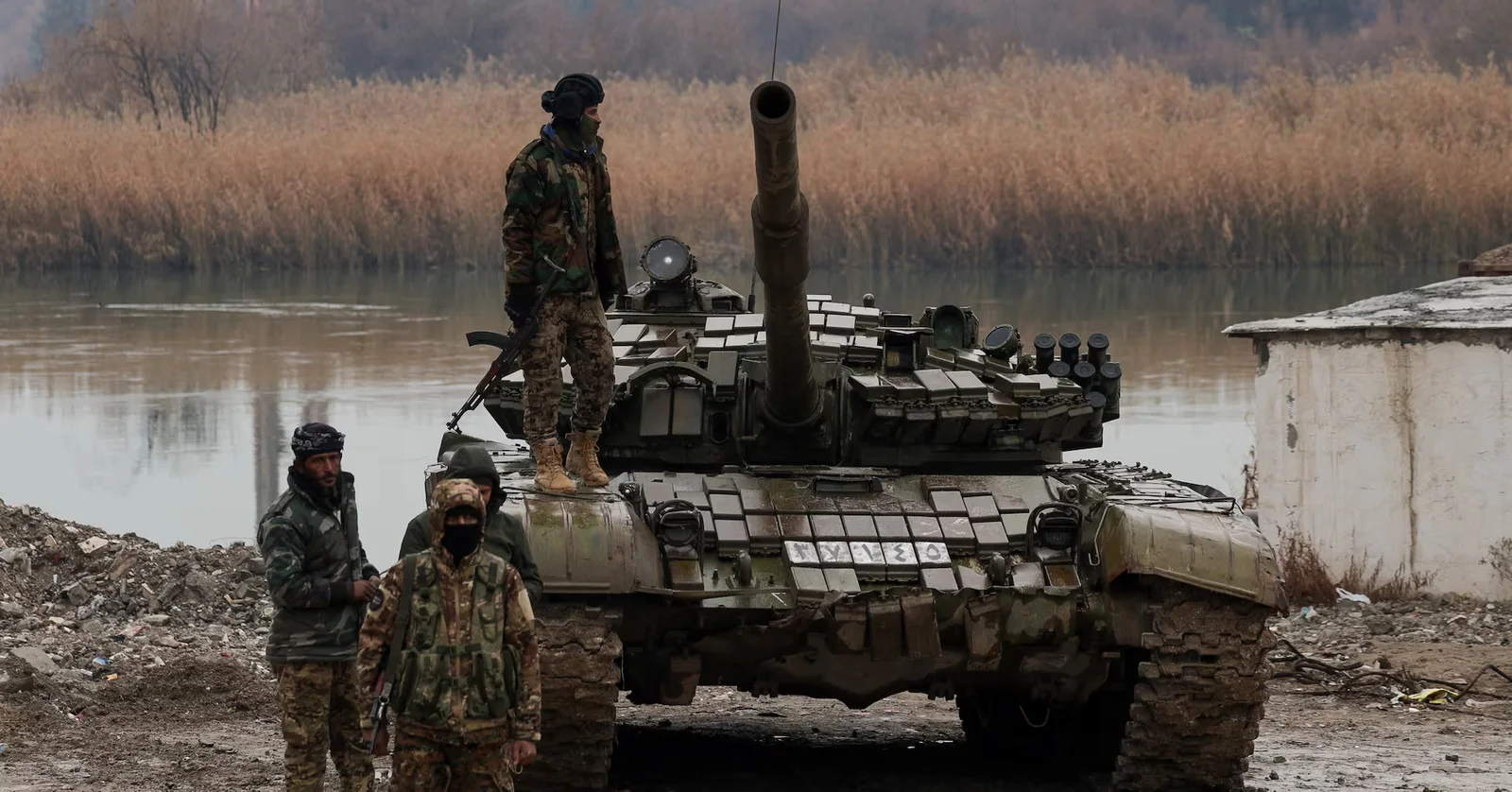
Syrian government troops seized Omar, the country’s largest oil field, and captured the Tabqa dam after Kurdish-led SDF forces withdrew east of the Euphrates following clashes and talks with the United States, expanding government control over oil revenues in the oil-rich north and northeast.
Syrian government troops captured Tabqa and the Tabqa Dam west of Raqqa and advanced toward the city, signaling a rapid offensive against the US-backed SDF. The army also seized oilfields in the northeast and, amid clashes, the SDF withdrew from Deir Hafer, prompting U.S. calls for restraint. Kurdish authorities meanwhile issued a decree recognizing Kurdish as a national language, highlighting widening political shifts as Damascus seeks broader control over northeastern Syria.