As AI expands from chatbots to autonomous agents, lawsuits against AI companies over harms keep rising, fueling a heated debate about who should be liable—the designers, the companies, or users—and whether current laws like Section 230 are adequate to curb or encourage innovation as regulators weigh new liability rules.
Lawsuits targeting AI chatbots are gaining steam, mirroring 1990s tobacco litigation and recent social-media cases, with Florida AG James Uthmeier suing OpenAI over ChatGPT’s alleged risks. With federal AI-safety rules lagging, states could drive a wave of product-liability actions that probe safeguards, causation, and foreseeability, while courts wrestle with Section 230 and First Amendment questions as the tech industry presses for federal standards.
Meta is pulling ads that seek to recruit clients for social-media addiction lawsuits across its platforms after recent verdicts that could widen platform liability. Advertising from national firms linked youth mental health harms to features like infinite scrolling and filters, and Meta says it won’t allow trial lawyers to profit from its platforms while lawsuits proceed. The move underscores ongoing scrutiny of youth safety online, with Meta bracing for potential losses and a broader global push for tighter social‑media regulation.
Two juries, one in New Mexico and one in California, are weighing lawsuits against Meta that allege the company failed to protect minors and that its platforms contributed to harm and addiction; verdicts could top $2 billion and influence future tech-liability cases, even as Meta defends its safety efforts and privacy claims under Section 230.
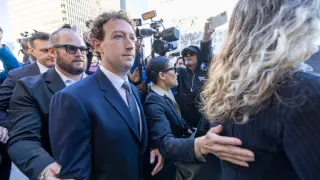
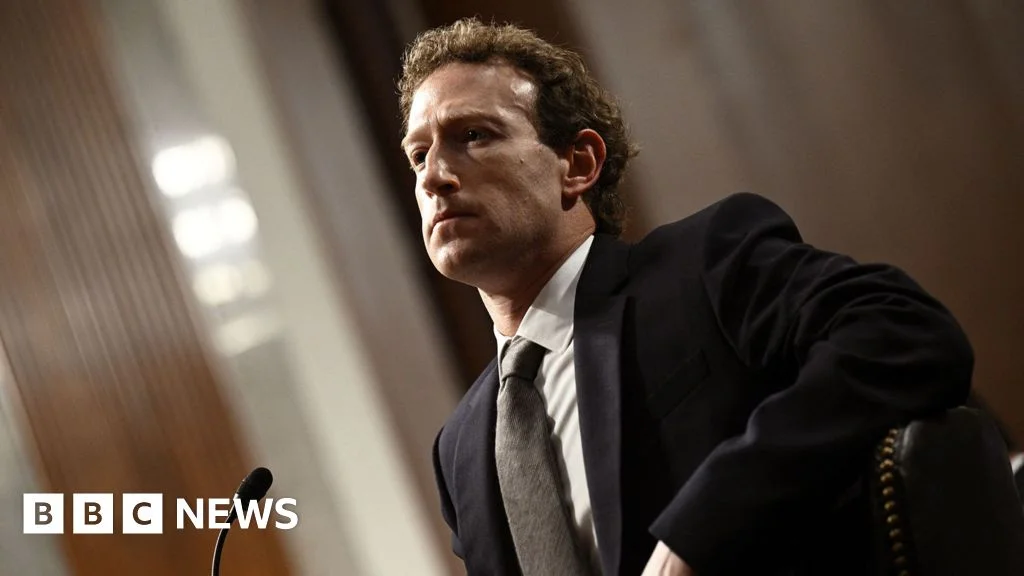
New Mexico's attorney general has filed a landmark suit accusing Meta of knowingly enabling predators to exploit children on Facebook and Instagram, alleging design choices and profit incentives prioritized engagement over safety, with unmoderated groups and ads alongside sexualized content. The seven-week Santa Fe trial follows a Guardian investigation and includes internal documents, an undercover operation (Operation MetaPhile), and a deposition from Mark Zuckerberg, as part of broader scrutiny of tech platforms and a related LA case challenging Section 230 immunity.
A California trial pits a 19-year-old plaintiff against Meta, ByteDance and Google, alleging that the platforms’ algorithms and design foster addiction and harmed mental health; with Mark Zuckerberg expected to testify, the case could redefine platform liability and challenge Section 230 protections.
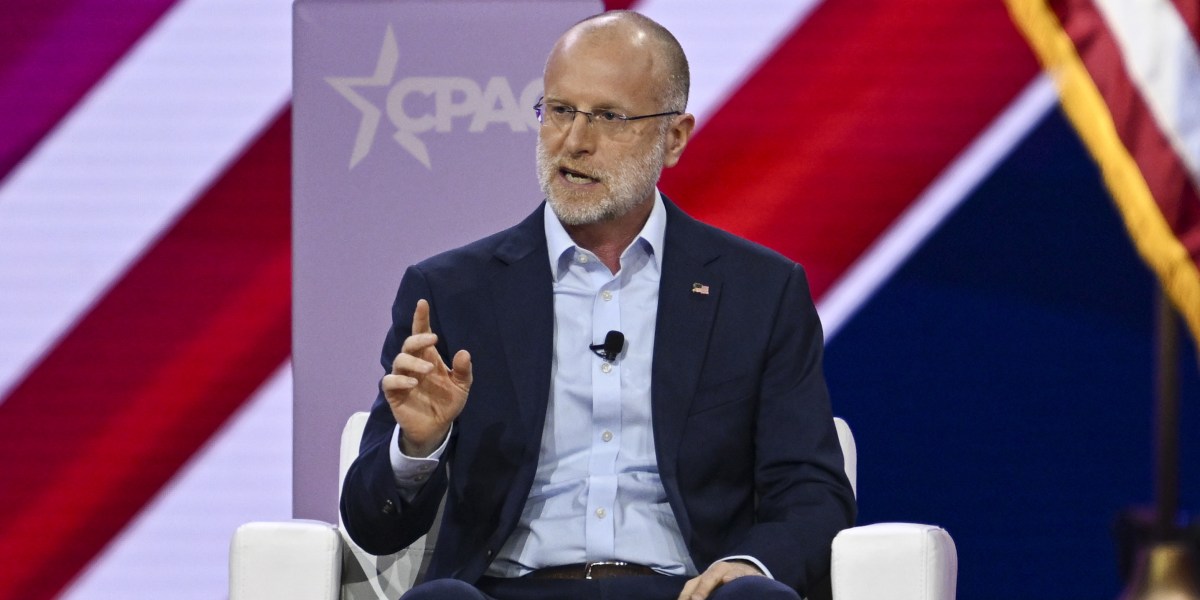
FCC Chair Carr has shifted from supporting stricter social media regulations to endorsing increased free speech online, citing positive changes by platforms like X and Facebook, and expressing caution over government censorship and the future of Section 230 reforms.
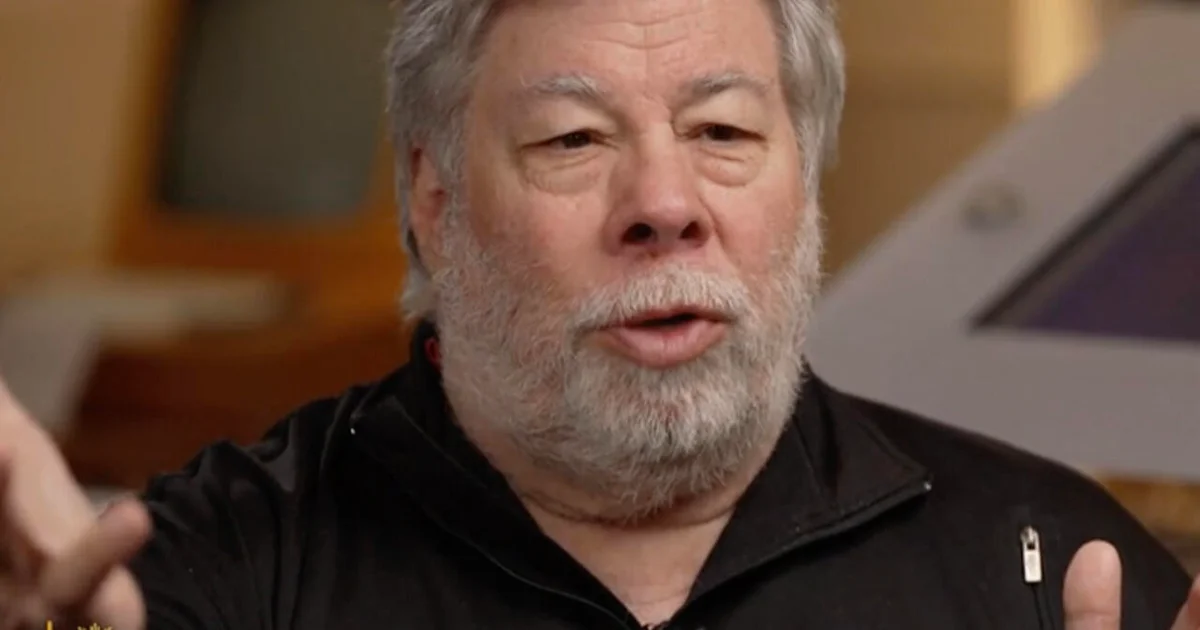
Steve Wozniak discusses the impact of the internet on society, highlighting how it has enabled scams like Bitcoin fraud using his image on YouTube. He has sued YouTube for not removing fraudulent videos, criticizing Section 230 for shielding platforms from liability. Wozniak emphasizes the need for better online scam prevention and reflects on the internet's original goal of democratizing information, which he believes has been exploited for profit.
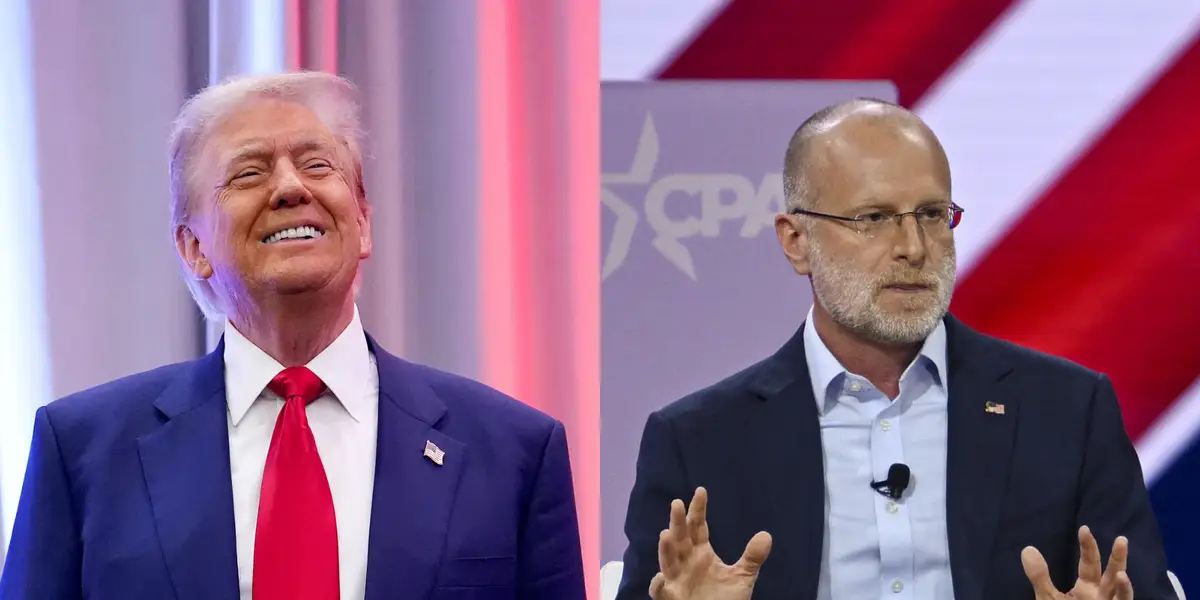
Brendan Carr, Donald Trump's pick for FCC chair, aims to eliminate Section 230 of the Communications Decency Act, which protects social media companies from legal consequences for user-generated content. Carr argues that Big Tech has too much power without accountability and suggests the FCC should reinterpret Section 230 to limit these protections. Both Trump and President Biden support repealing Section 230, albeit for different reasons, with bipartisan agreement on the need for reform. However, progress has been slow, despite a new House bill proposing to phase out Section 230.
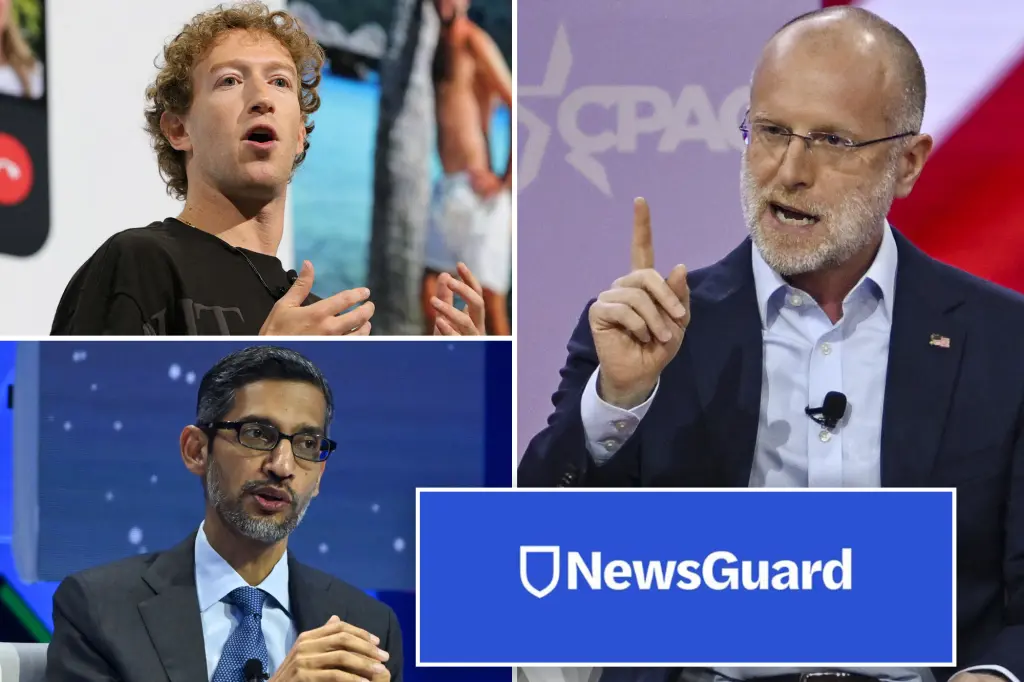
Incoming FCC Chairman Brendan Carr, appointed by President-elect Trump, is challenging Big Tech firms over their alleged involvement in a 'censorship cartel' with NewsGuard, a fact-checking firm accused of bias against conservative outlets. Carr's inquiry could impact Section 230, which protects tech companies from liability for third-party content. He demands responses from tech leaders like Sundar Pichai and Mark Zuckerberg by December 10, questioning their partnerships with NewsGuard and other media monitors.
President-elect Trump has nominated Brendan Carr as the chairman of the Federal Communications Commission. Carr, a senior Republican at the FCC since 2012, is known for his stance against Big Tech's content-moderation immunity and has authored the FCC chapter of Project 2025. He aims to reform Section 230 to limit Big Tech's immunity and advocates for increased transparency and accountability in tech operations. Carr also supports a ban on TikTok and further decoupling from Chinese tech influence, citing national security concerns. His nomination requires Senate approval.
A lawsuit against Meta, challenging the protections provided by Section 230 of the Communications Decency Act, has been dismissed. Section 230 is a key legal shield for tech companies, protecting them from liability for user-generated content on their platforms. The dismissal reaffirms the legal framework that has been crucial for the growth of the tech industry.
Google's new AI Overview feature generates written answers to user searches, raising questions about legal responsibility if the AI provides incorrect or harmful information. The legal protections under Section 230 of the Communications Decency Act, which shield companies from liability for third-party content, may not clearly apply to AI-generated content. The reliability of AI Overview's answers varies, and the feature's impact on the creation and recognition of reliable information is also a concern.
A New York state judge has ruled that Reddit and YouTube must face a lawsuit alleging that their algorithms played a role in radicalizing the shooter responsible for a racist shooting in Buffalo. The lawsuit, filed by survivors of the shooting, challenges the limits of Section 230, a law that shields internet platforms from lawsuits over user-posted content. The decision allows the claims against the tech companies to proceed to the discovery stage, while Reddit and YouTube have expressed disagreement with the ruling and plan to appeal.
A federal court has ruled that social media giants Meta (formerly Facebook), ByteDance (owner of TikTok), Alphabet (parent company of Google and YouTube), and Snap must face a lawsuit alleging that their platforms have adverse effects on the mental health of children. The court rejected the companies' motion to dismiss the lawsuits, which accuse them of running addictive platforms that cause physical and emotional harm to children. The ruling states that the First Amendment and Section 230 do not shield the companies from liability, as many of the claims relate to alleged defects on the platforms, such as insufficient parental controls and age verification systems. While some claims were thrown out, the ruling could pave the way for more safety claims against social media platforms.