Tag

Sentinel 1 Satellite

All articles tagged with #sentinel 1 satellite

Petermann Glacier Loses Manhattan-Sized Ice Island in Largest Arctic Calving Since 2020
science-and-environment2 months ago

Petermann Glacier Loses Manhattan-Sized Ice Island in Largest Arctic Calving Since 2020

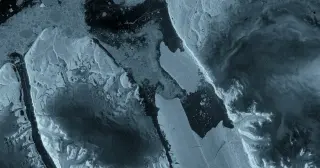
On August 4, 2026, a 76.4-square-kilometer ice island detached from Petermann Glacier in northwest Greenland, marking the largest floating ice loss in the Arctic since 2020. The tabular iceberg, comparable in size to Manhattan and up to 150 meters thick, was identified via ESA’s Copernicus Sentinel-1 satellite data. Scientists anticipate two further major calving events, potentially removing 22% of the glacier’s remaining ice tongue, while monitoring the drifting mass for hazards to Arctic shipping routes.
Manhattan-Sized Ice Island Calves from Petermann Glacier in Northwest Greenland
science-and-environment2 months ago

Manhattan-Sized Ice Island Calves from Petermann Glacier in Northwest Greenland

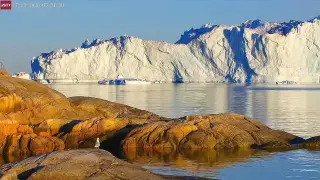
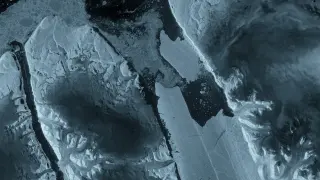
A 76 square kilometer section of floating ice broke away from Petermann Glacier in northwest Greenland on August 4, 2026. This calving event, the largest for the glacier since 2012 and the most significant in the Arctic since 2020, produced a tabular iceberg roughly the size of Manhattan and up to 150 meters thick. European Copernicus Sentinel-1 radar imagery captured the rapid fracture propagation leading to the breakup, which had been anticipated by researchers monitoring the glacier since 2019. While the primary source highlights a separate iceberg capsize in Ilulissat, the secondary sources confirm this major calving event as the dominant scientific development, with potential risks to Arctic shipping routes.

Greenland’s Petermann Glacier Sheds Largest Ice Island in a Decade
climate-and-environment3 months ago

Greenland’s Petermann Glacier Sheds Largest Ice Island in a Decade

On August 4, 2026, a 76 square kilometer section of floating ice broke away from Petermann Glacier in northwest Greenland. This event marks the glacier’s largest loss of floating ice since 2012 and the most significant calving in the Arctic since 2020. The detached ice island, comparable in size to Manhattan and up to 150 meters thick, was detected by the European Space Agency’s Sentinel-1 mission. Researchers anticipate two further major calvings in the near future.