Tag

Greenland Ice Sheet

All articles tagged with #greenland ice sheet

Cold War Drilling Unearths 416,000-Year-Old Sediment Revealing Greenland’s Ice-Free Past
science16 days ago

Cold War Drilling Unearths 416,000-Year-Old Sediment Revealing Greenland’s Ice-Free Past

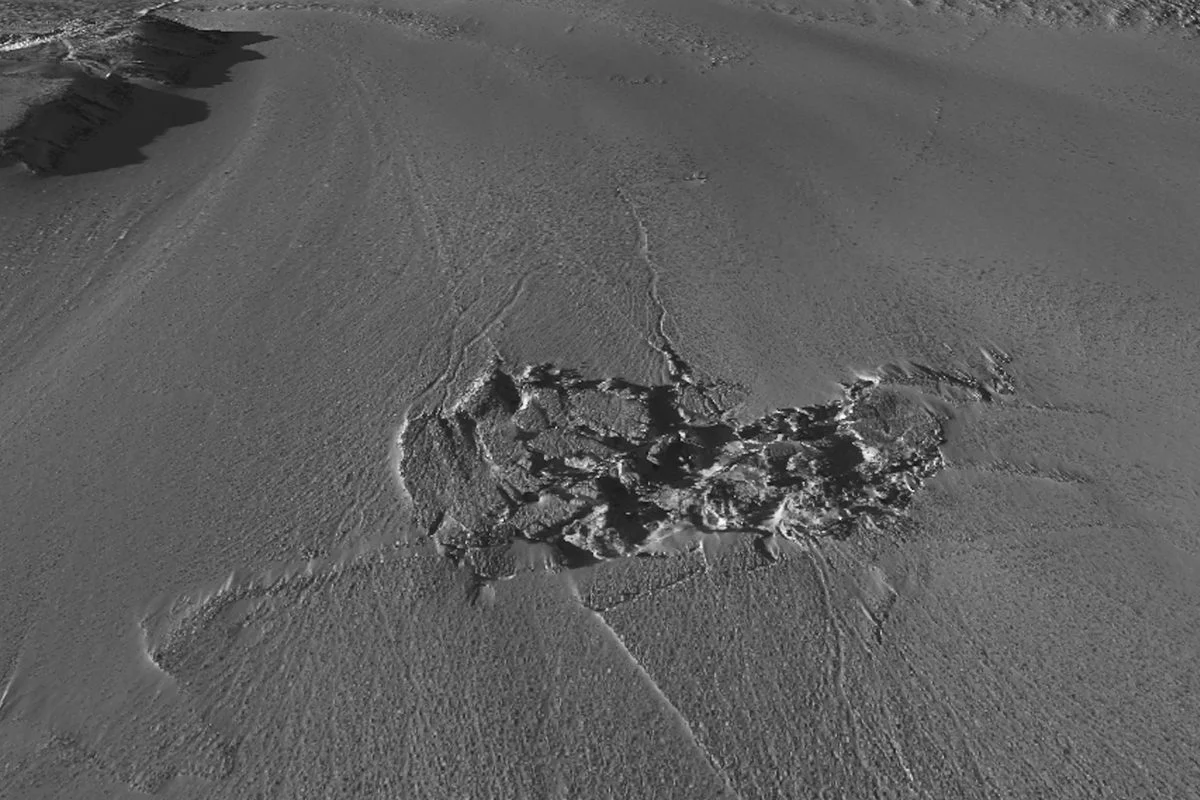
Sediment samples recovered from beneath the abandoned Cold War-era Camp Century in Greenland reveal that the ice sheet was significantly smaller 416,000 years ago. Analysis of these samples, which had been stored since the 1960s, indicates that moderate warming during the Marine Isotope Stage 11 period caused the ice to retreat by over 97 kilometers. This finding suggests that current atmospheric conditions may trigger similar ice loss, potentially raising global sea levels by up to 230 feet if the ice sheet fully melts.
Climate research ignores high-risk tipping points despite low warming thresholds
science1 month ago

Climate research ignores high-risk tipping points despite low warming thresholds

A new study analyzing 20,736 publications from 2000 to 2025 reveals that scientific attention on climate tipping points does not align with risk. While the Greenland Ice Sheet accounts for 20% of research, systems with similar or lower warming thresholds, such as boreal permafrost and the North Atlantic subpolar gyre, receive significantly less attention. Only 8.1% of studies explicitly examine critical tipping dynamics like irreversibility, leaving major gaps in understanding potentially irreversible changes.

Polar Ice Sheets Shed 11.3 Trillion Tons Since 1979, Driven by Faster Glaciers
climate-and-environment2 months ago

Polar Ice Sheets Shed 11.3 Trillion Tons Since 1979, Driven by Faster Glaciers

A new study reveals that Greenland and Antarctica have lost 11.3 trillion tonnes of ice since the late 1970s, contributing 3.14 centimeters to global sea-level rise. The research highlights that 84% of this loss is driven by glaciers flowing faster into the ocean, rather than surface melting. While a temporary slowdown occurred between 2020 and 2023 due to weather variations, the long-term trend of accelerating ice loss continues, posing significant risks to coastal communities.

Petermann Glacier Loses Manhattan-Sized Ice Island in Largest Arctic Calving Since 2020
science-and-environment2 months ago

Petermann Glacier Loses Manhattan-Sized Ice Island in Largest Arctic Calving Since 2020

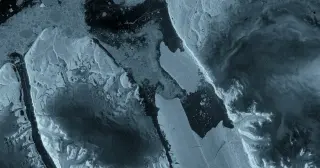
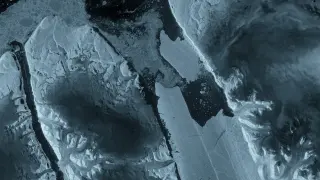
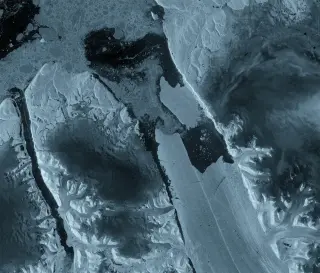
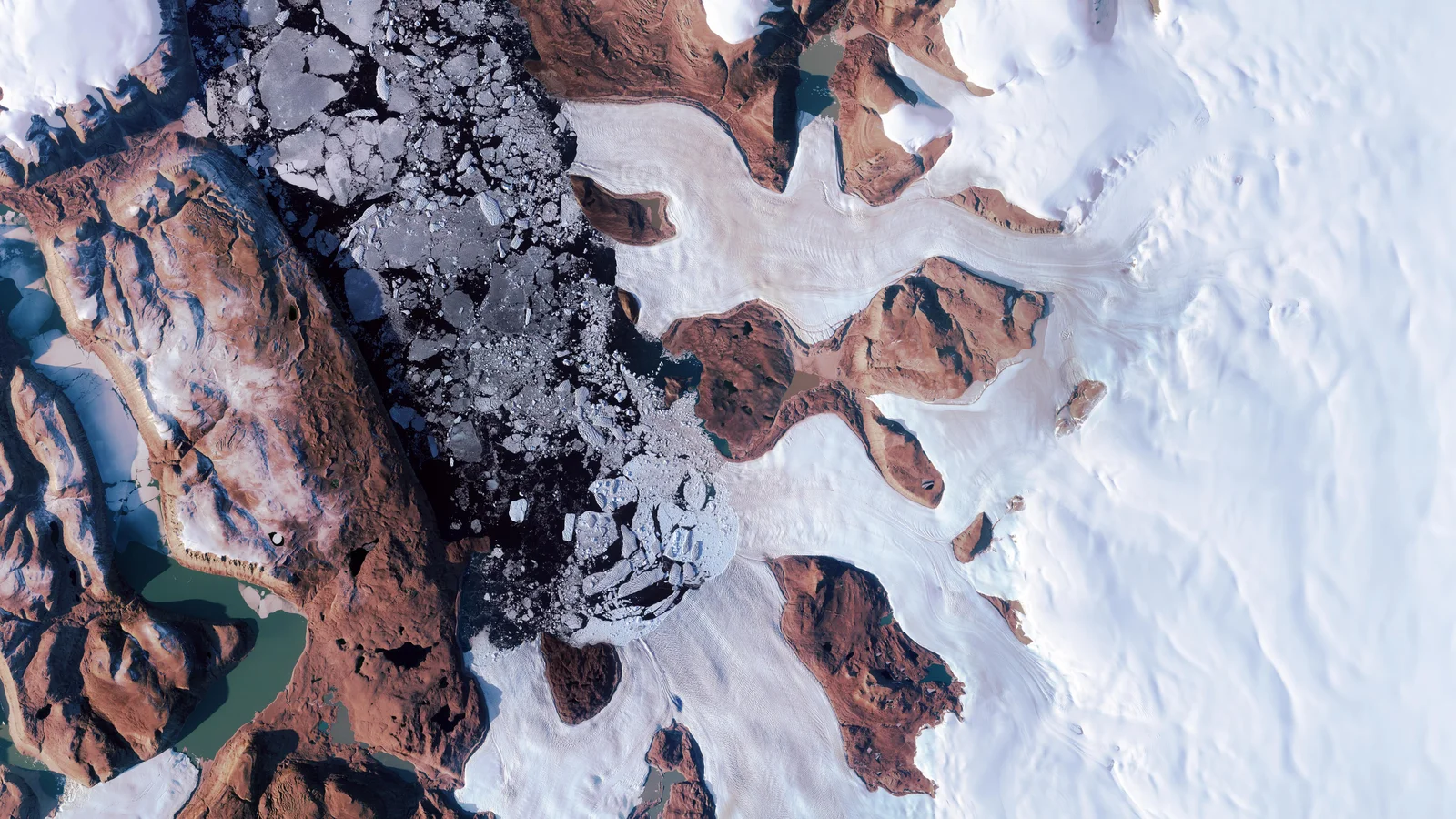
On August 4, 2026, a 76.4-square-kilometer ice island detached from Petermann Glacier in northwest Greenland, marking the largest floating ice loss in the Arctic since 2020. The tabular iceberg, comparable in size to Manhattan and up to 150 meters thick, was identified via ESA’s Copernicus Sentinel-1 satellite data. Scientists anticipate two further major calving events, potentially removing 22% of the glacier’s remaining ice tongue, while monitoring the drifting mass for hazards to Arctic shipping routes.

Greenland’s Petermann Glacier Sheds Largest Ice Island in a Decade
climate-and-environment3 months ago

Greenland’s Petermann Glacier Sheds Largest Ice Island in a Decade

On August 4, 2026, a 76 square kilometer section of floating ice broke away from Petermann Glacier in northwest Greenland. This event marks the glacier’s largest loss of floating ice since 2012 and the most significant calving in the Arctic since 2020. The detached ice island, comparable in size to Manhattan and up to 150 meters thick, was detected by the European Space Agency’s Sentinel-1 mission. Researchers anticipate two further major calvings in the near future.

Petermann Glacier Calves Massive Ice Island, Signaling Accelerated Arctic Ice Loss
climate-and-environment3 months ago

Petermann Glacier Calves Massive Ice Island, Signaling Accelerated Arctic Ice Loss

On August 4, 2026, a 76 square kilometer section of floating ice broke away from Petermann Glacier in northwest Greenland. This event, detected by ESA’s Sentinel-1 radar, is the glacier’s largest ice loss since 2012 and the most significant Arctic calving event since 2020. The resulting ice island, comparable in size to Manhattan and up to 150 meters thick, poses risks to Arctic shipping routes. While the immediate calving accounts for only 5% of the glacier’s recent mass loss, underlying basal melting from warm ocean water is the primary driver of its retreat, raising concerns about future instability and sea-level rise.

Warming Oceans and Ice Melt Confirmed as Primary Drivers of Global Sea-Level Rise
science6 months ago

Warming Oceans and Ice Melt Confirmed as Primary Drivers of Global Sea-Level Rise

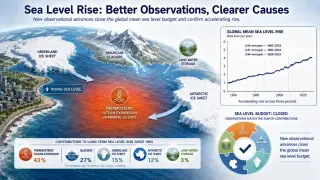
A new Science Advances study shows global mean sea level has risen about 2.06 mm/year since 1960 and accelerated to 3.94 mm/year from 2005–2023, with ocean warming accounting for about 43% of the rise and ice melt from glaciers (27%), Greenland (15%), and Antarctica (12%) becoming larger contributors over time; corrections to satellite data and tide gauges resolve a long-standing measurement gap, and scientists warn sea level will keep rising for centuries even if emissions stabilize.

Earth Nears Irreversible Climate Tipping Points, Scientists Warn
environment9 months ago

Earth Nears Irreversible Climate Tipping Points, Scientists Warn

Scientists warn Earth is approaching multiple tipping points in climate systems—including the Greenland and West Antarctic ice sheets, boreal permafrost, and the Amazon—raising the risk of a ‘hothouse Earth’ with about 9°F of warming; current climate commitments are insufficient, and entrenched power structures complicate a just, effective transition.

New Evidence Reveals Cause of Greenland Ice Sheet Mystery
science1 year ago

New Evidence Reveals Cause of Greenland Ice Sheet Mystery

New research suggests that a platinum spike found in Greenland's ice core around 12,800 years ago, previously thought to indicate a meteorite impact, was likely caused by a volcanic fissure eruption in Iceland, which may have contributed to the onset of the Younger Dryas cold period by releasing sulfur and heavy metals into the atmosphere. This finding challenges the impact hypothesis and highlights the role of volcanic activity in past climate shifts, emphasizing the importance of understanding such events for future climate predictions.

Decades-Old Climate Predictions on Sea Level Rise Confirmed
science1 year ago

Decades-Old Climate Predictions on Sea Level Rise Confirmed

A recent study confirms that climate projections from the mid-1990s accurately predicted global sea-level rise over the past three decades, though they underestimated ice melt contributions. Satellite data has been crucial in tracking these changes, revealing that sea levels are rising faster than initially thought, with regional variability influenced by ice sheet dynamics. The findings underscore the importance of refining localized forecasts to better prepare vulnerable regions for future sea-level rise.

Seafloor Fibre Sensing Unveils Calving Impact on Fjord Dynamics
science1 year ago

Seafloor Fibre Sensing Unveils Calving Impact on Fjord Dynamics

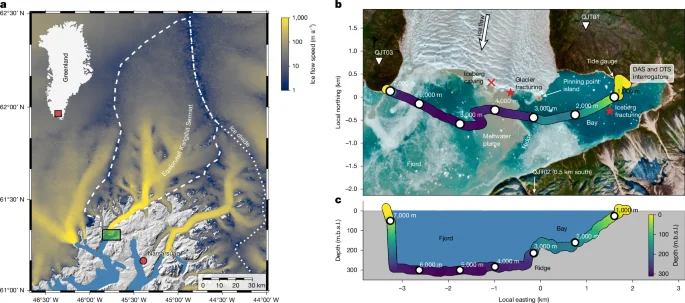
The article discusses how seafloor fibre sensing technology, specifically DAS and DTS, is used to study calving-driven fjord dynamics and ice-ocean interactions at Greenland's glaciers, revealing detailed processes such as fracturing, iceberg detachment, tsunamis, internal waves, and seafloor currents, which are crucial for understanding and modeling glacier mass loss and sea level rise.