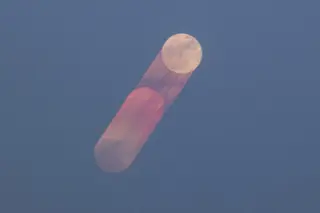
Jaipur photographer Aquib Ali Ansari captured the Strawberry Moon rising above Jal Mahal using the Lunar Drift technique, stacking more than 190 sequential exposures to show the Moon's apparent motion across twilight while keeping detail in both the Moon and the landscape, with final edits in StarStaX and Lightroom.
USA TODAY’s Daily Briefing highlights key reads: Trump touts immigration wins at the Supreme Court, a landmark housing bill heads to law with or without his signature, and a Lisa Cook ruling narrows the President’s firing power over a Federal Reserve governor; meanwhile, reporting checks whether the Great American State Fair was truly packed, notes the Strawberry Moon’s appearance, and includes quick updates on Colorado primaries and other timely items.
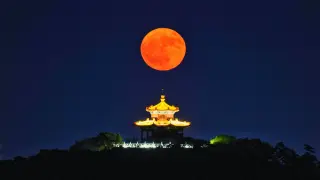
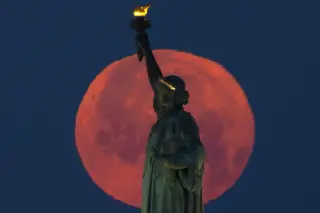
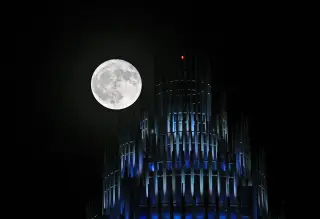
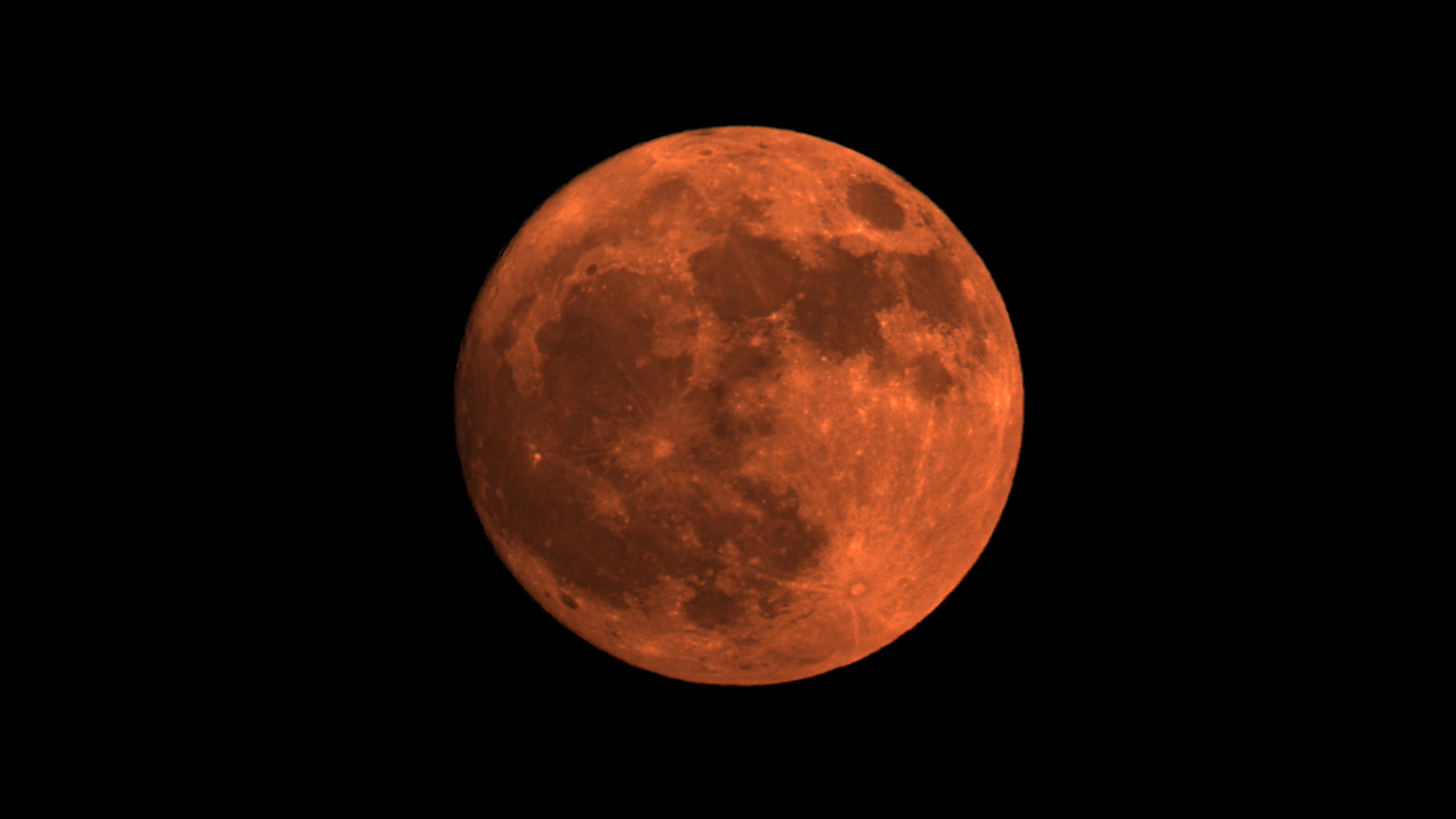
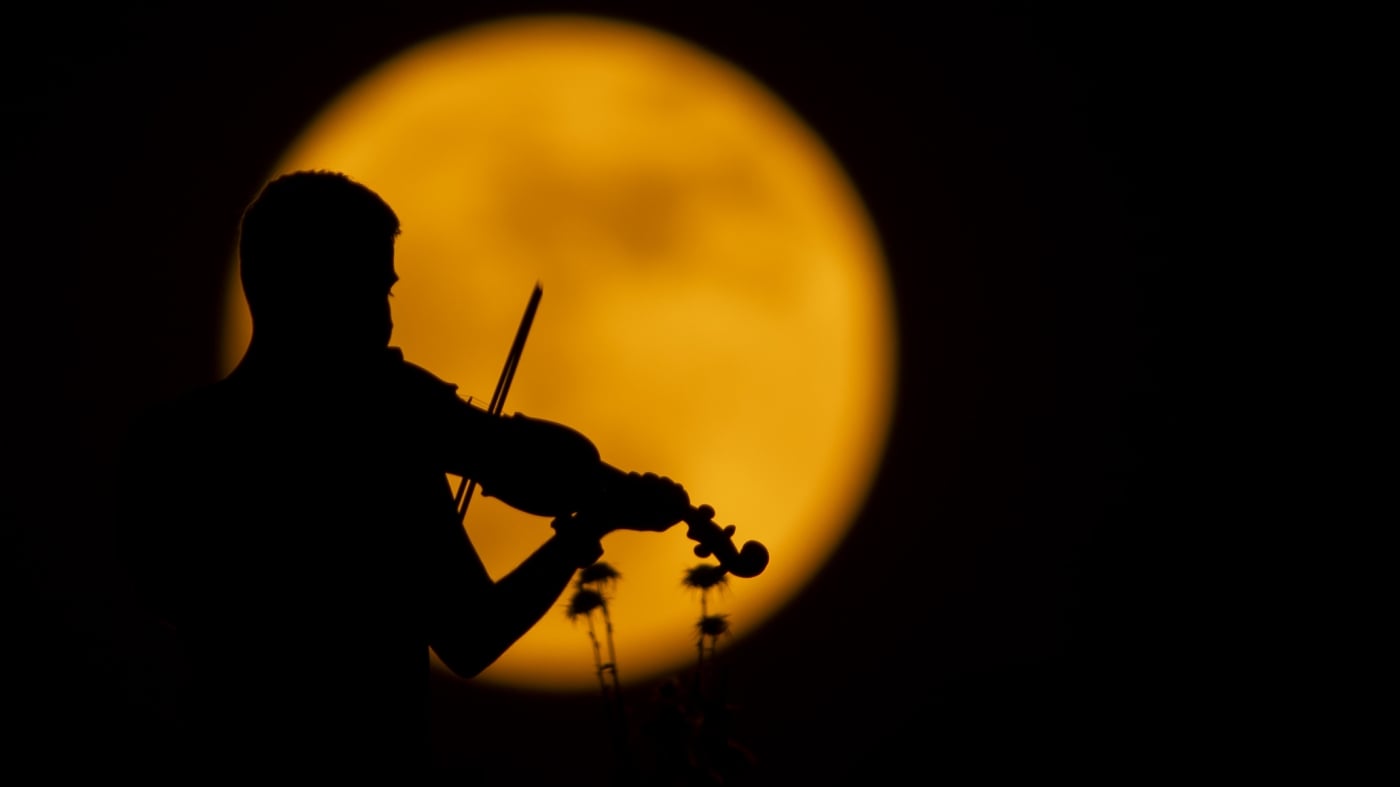
June's Strawberry Moon—the year's lowest-hanging full moon for Northern Hemisphere observers—rose low in the southeast and lit up skies worldwide, yielding standout photos from locations like New York's Empire State Building, Cape Sounion in Greece, and Meishan and Qingzhou in China, among others; the piece highlights top images and notes the next full Moon, Buck Moon, on July 29.
June 29 marks the first full Moon of summer—the Strawberry Moon—peaking at 7:57 p.m. EDT; it will appear low in the sky after sunset due to the solstice, rise in Sagittarius, and may take on a golden hue near the horizon from atmospheric scattering, with the familiar moon illusion often making it look larger than usual.
The first full moon of summer, the Strawberry Moon, rises tonight and will look larger and redder as it sits low on the horizon. Peak around 7:57 p.m. ET, with New York viewers likely seeing moonrise around 8:48 p.m. View from an elevated, clear southeastern-horizon spot and consider photographing with a DSLR or a smartphone with astronomy features. The name comes from harvest timing, not color.
The full strawberry moon—the first full moon of summer—will rise this week and peak at 7:57 p.m. ET on Monday, appearing as a micromoon near apogee. In the Northern Hemisphere it will trace the year’s lowest arc, while in the Southern Hemisphere it will reach its highest. Its color can appear warmer or cooler depending on atmospheric conditions, but the Moon’s actual color doesn’t change. For best viewing, head outside to a dark, unobstructed spot. The name comes from Algonquin berry-harvesting season, with other cultures calling it the hoer or blooming moon. The article also lists six more full moons in 2026 (Buck Moon, Sturgeon Moon, Harvest Moon, Hunter’s Moon, Beaver Moon, Cold Moon) and ties this year’s lunar activity to renewed interest in lunar exploration as NASA’s Artemis program advances.
The 2026 Strawberry Moon occurs on 29 June; moonrise patterns differ by hemisphere—Northern Hemisphere observers will see the Moon rise in the southeast and travel low across the southern sky, while Southern Hemisphere observers will see it rise southeast and traverse high across the northern sky. The article lists local moonrise times for major cities (e.g., New York 20:49, London 21:41, Tokyo 18:46, Melbourne 16:10, Dubai 19:03) and notes the nickname comes from strawberry season, not appearance, though a low horizon can give the Moon a reddened hue. It also points readers to additional guides for observing and photographing the Moon.
June's full Moon, known as the Strawberry Moon, rises Monday evening and remains full through the night; it may appear yellow to pinkish at rise as light passes through a thicker atmosphere. The name comes from Algonquian-speaking Indigenous peoples marking the wild strawberry harvest, with other nations naming it Green Corn Moon or Berries Ripen Moon; the next full Moon is Buck Moon on July 29.
The strawberry full moon will peak on June 29 at 7:57 p.m. ET and will be a micromoon, appearing slightly smaller and dimmer due to its distance in the orbit. It marks the first full moon of summer and gets its name from the strawberry harvest tradition, not its color. For the best view, seek a dark location away from city lights and check local cloud cover; the next full moon, the Buck Moon, peaks on July 29.
Summer’s here and the Strawberry Moon—the first full moon of the season—will illuminate the night sky on June 29, with peak illumination at 6:56 p.m. CT. The name reflects historical Native American observations of berry ripening, including Haida references. For the best view, head to a dark spot away from city lights and check FOX 17’s forecast for cloud cover or storms that could block the view.
The Strawberry Moon, June’s first full moon after the summer solstice on June 21, will peak on June 29 at 7:57 p.m. ET. Its nickname comes from the strawberry harvest season rather than its color, and it carries several traditional names from Native American and colonial cultures. For viewing, check local weather and pick a dark, clear night. The piece also lists the remaining full-moon dates for 2026: Buck Moon (July 29), Sturgeon Moon (Aug 28, with a partial lunar eclipse), Harvest Moon (Sept 26), Hunter’s Moon (Oct 26), Beaver Moon (Nov 24), and Cold Moon (Dec 23).
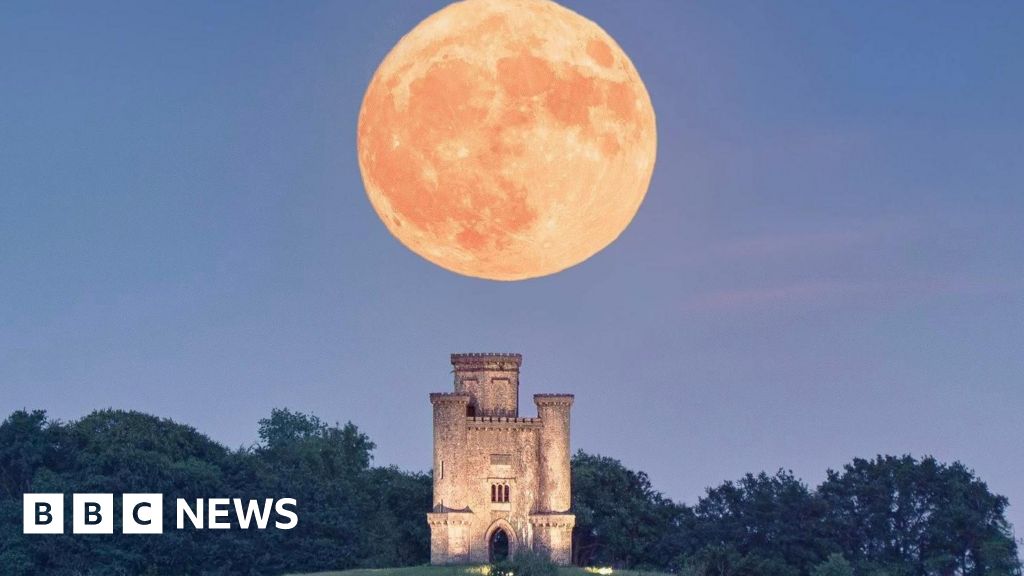
The rare and spectacular sight of the Strawberry Moon was visible across Wales, reaching its peak during a major lunar standstill, an event that won't occur again until 2043, offering a unique astronomical spectacle.
Kendall Jenner traveled to Utah's Amangiri resort to view the rare strawberry moon and shared photos of her in a black bikini, highlighting her luxurious getaway. The article also touches on her sister Kylie Jenner's relationship with Timothée Chalamet, noting their recent public appearances and growing closeness.
The June full Strawberry Moon, the lowest in a decade due to a rare lunar standstill, can be viewed online via free livestreams from the Virtual Telescope Project and Griffith Observatory, making it accessible even in urban areas with limited sky visibility.
The article showcases stunning images of the June's Strawberry Moon, a full moon that occurs when strawberries ripen, captured from various locations worldwide, highlighting its size, brightness, and cultural significance.