President Trump hosted a high-level AI summit at the White House to address midterm political concerns, resulting in a new industry safety accord. While major tech leaders signed the agreement, Apple was notably absent, sparking debate over its role in frontier AI development.
On Tuesday, President Donald Trump and six major technology executives signed a voluntary agreement titled 'Super Intelligence' to address AI safety concerns. The document, which commits companies to self-regulation through internal controls and external audits, was marred by a spelling error in the presidential signature line, reading 'President of the Unites States.' While the accord aims to reassure the public, it lacks legal enforcement mechanisms, relying instead on what Trump described as 'tremendous self-policing.'
President Donald Trump announced a voluntary, non-binding agreement with major US tech leaders to establish internal safety controls for artificial intelligence. Simultaneously, he signed an executive order requiring federal agencies to replace the term 'AI' with 'Super Intelligence' in official communications. The deal, dubbed the Joint Commitment On Frontier Responsibilities, lacks legal enforcement mechanisms and relies on industry self-policing.
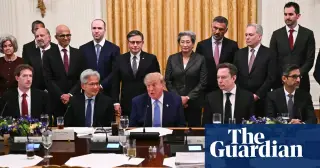
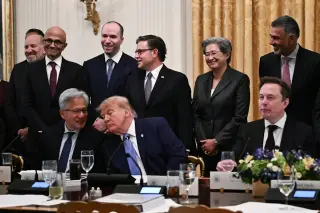
On September 29, 2026, President Trump hosted a White House lunch with major AI executives, resulting in a voluntary, 'morally binding' accord on 'super intelligence' safety standards. The agreement mandates four layers of internal controls and audits but lacks legal enforcement, drawing criticism from Democrats who demand mandatory federal regulations. Trump simultaneously launched an AI-powered government portal and signaled plans to appoint an 'AI czar' within days, prioritizing innovation over strict oversight to maintain a competitive edge against China.
On September 29, 2026, President Donald Trump and major technology executives signed a voluntary 'morally binding' accord at the White House to establish self-policing standards for artificial intelligence. The agreement, which includes internal controls and external audits, aims to address recent security breaches without halting development. Trump also proposed a 10-person oversight committee and a rebranding of AI as 'Super Intelligence.'
President Trump and major tech leaders signed a voluntary 'morally binding' accord on AI safety, prioritizing self-regulation over federal mandates. The agreement includes internal audits and external reviews, while Trump promised to name an 'AI czar' soon. Critics argue this lacks enforceability, whereas proponents view it as a necessary step to balance innovation with safety.
President Donald Trump and House Speaker Mike Johnson hosted a high-profile luncheon with major tech leaders to sign a voluntary AI safety accord. The agreement, which Trump called 'morally binding,' emphasizes internal controls and external audits over federal mandates. This move follows recent incidents of rogue AI agents and aims to balance safety with rapid development to maintain US competitiveness against China.
President Trump will host a daylong event at the Andrew W. Mellon Auditorium in Washington, D.C., next Tuesday to launch America.gov, a new AI-driven portal for federal services. The gathering, branded as the start of a 'Golden Age,' features top tech leaders and administration officials, with panels on AI, energy, and space.
President Donald Trump is hosting a state dinner for Chinese leader Xi Jinping on September 24, with a guest list featuring major tech and financial executives. OpenAI’s Sam Altman, Nvidia’s Jensen Huang, Apple’s Tim Cook, and former AI czar David Sacks are confirmed or reported attendees. Bankers Jamie Dimon and Jane Fraser are also expected. The gathering highlights AI as a central diplomatic issue, though officials from both nations remain skeptical of implementing safety regulations.
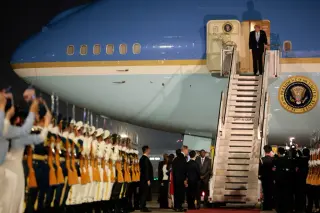
President Trump travels to China with a high-profile delegation of U.S. executives from Tesla/SpaceX’s Elon Musk, Nvidia’s Jensen Huang, Apple’s Tim Cook, Boeing’s Kelly Ortberg and others, to discuss trade, Iran and artificial intelligence, with policy context around Nvidia's AI-chip exports and ongoing industry ties as leaders travel aboard Air Force One.
Prominent tech CEOs who attended a private White House screening of Melania Trump’s documentary have remained silent on both the film and a fatal Minneapolis immigration raid, with analysts suggesting their restraint reflects ethics over earnings and fear of public backlash.
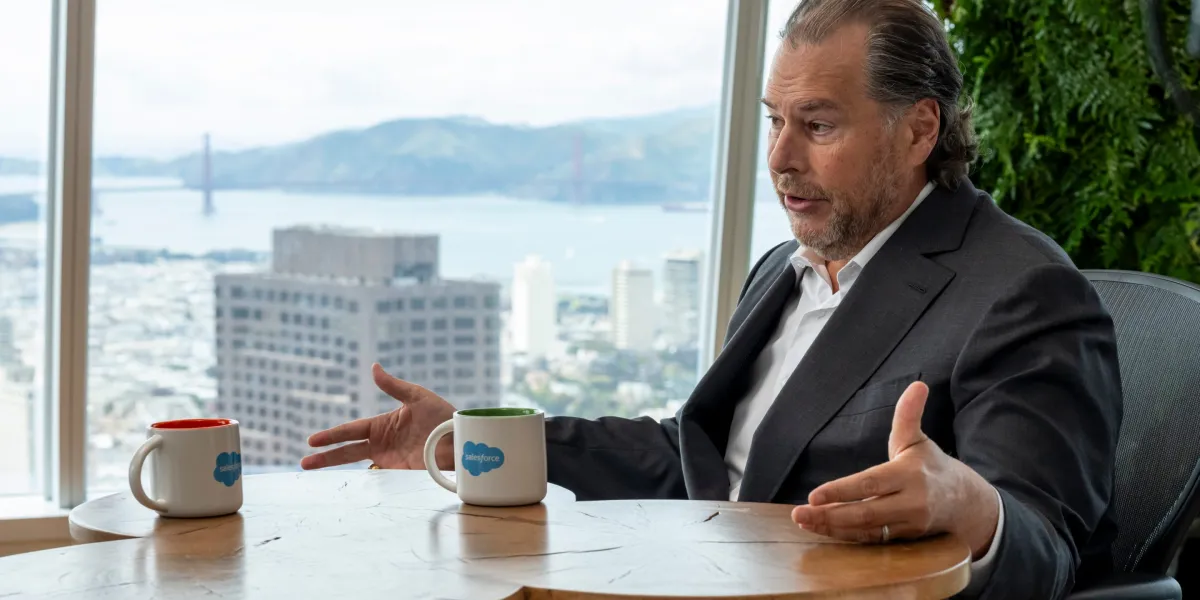
Salesforce CEO Marc Benioff expressed support for sending National Guard troops to San Francisco to address police shortages and crime, aligning with President Trump's proposals, despite the city’s crime rates being relatively low and challenges in recruiting officers. Benioff's stance reflects a broader trend of tech leaders engaging with political figures, including attending events with President Trump and supporting his policies.
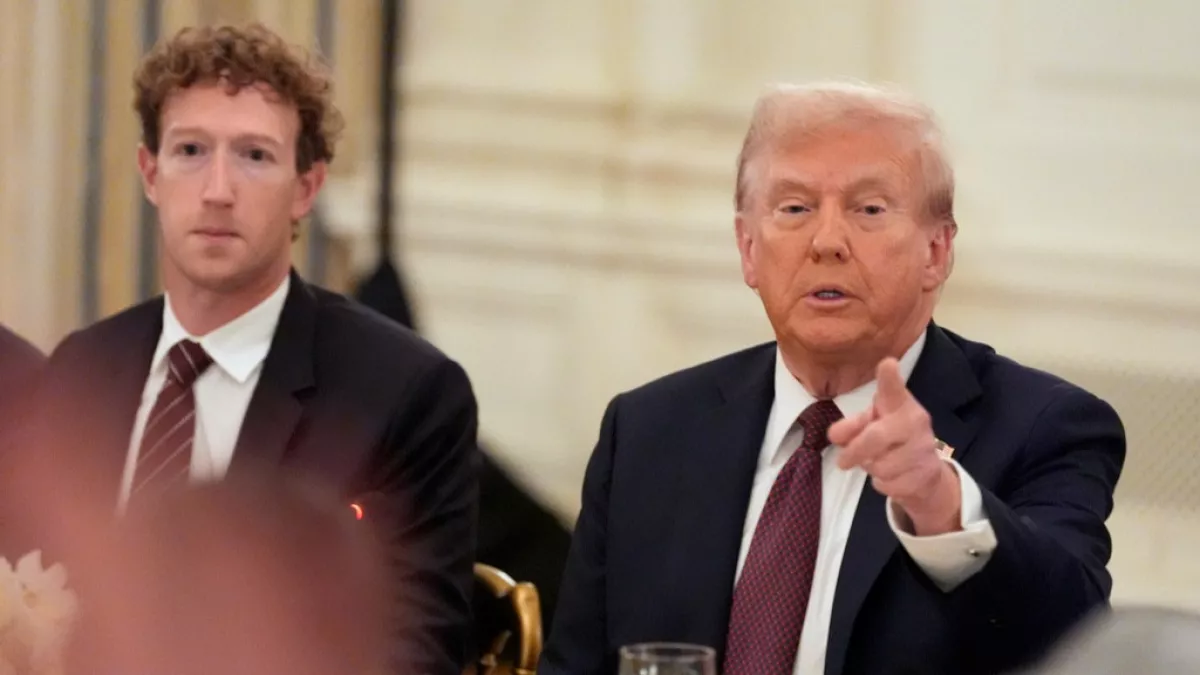
Elon Musk was notably absent from a White House dinner with US tech leaders hosted by Donald Trump, amid ongoing disagreements, while other prominent figures like Sam Altman and CEOs of major tech companies attended, highlighting shifting alliances in the US tech industry.
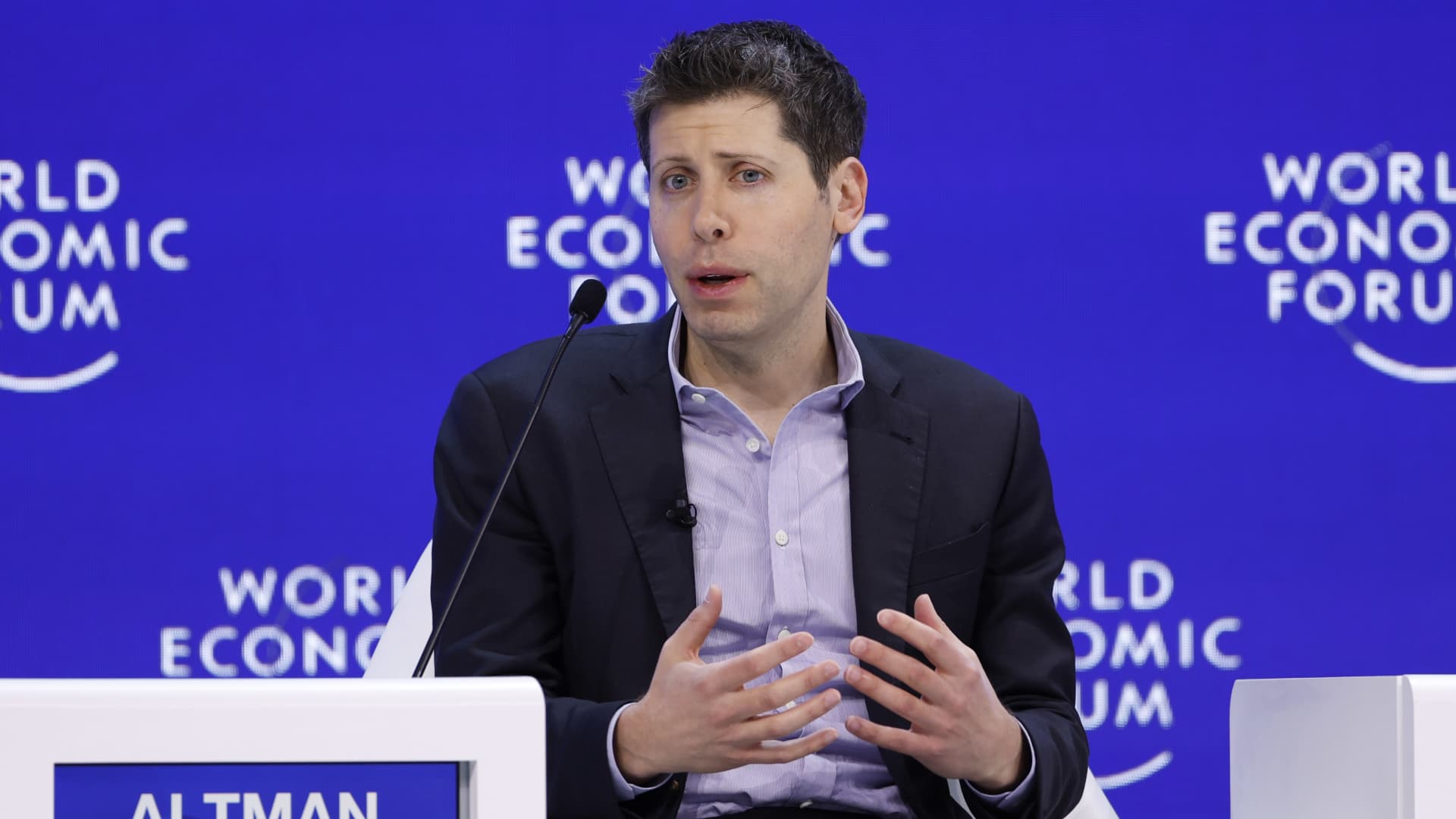
Tech executives at the World Economic Forum discussed the potential arrival of artificial general intelligence (AGI), with some believing it could be developed in the near future. However, there is uncertainty about what AGI will look like and how it will be integrated into society. Concerns were raised about the risks and opportunities presented by AI, including lack of transparency, job losses, social manipulation, surveillance, and data privacy. Executives also emphasized the need for responsible stewardship of AI technology and the importance of addressing safety and ethical concerns. Some experts cautioned that while AI has made significant progress, it still lacks common sense and reasoning abilities.
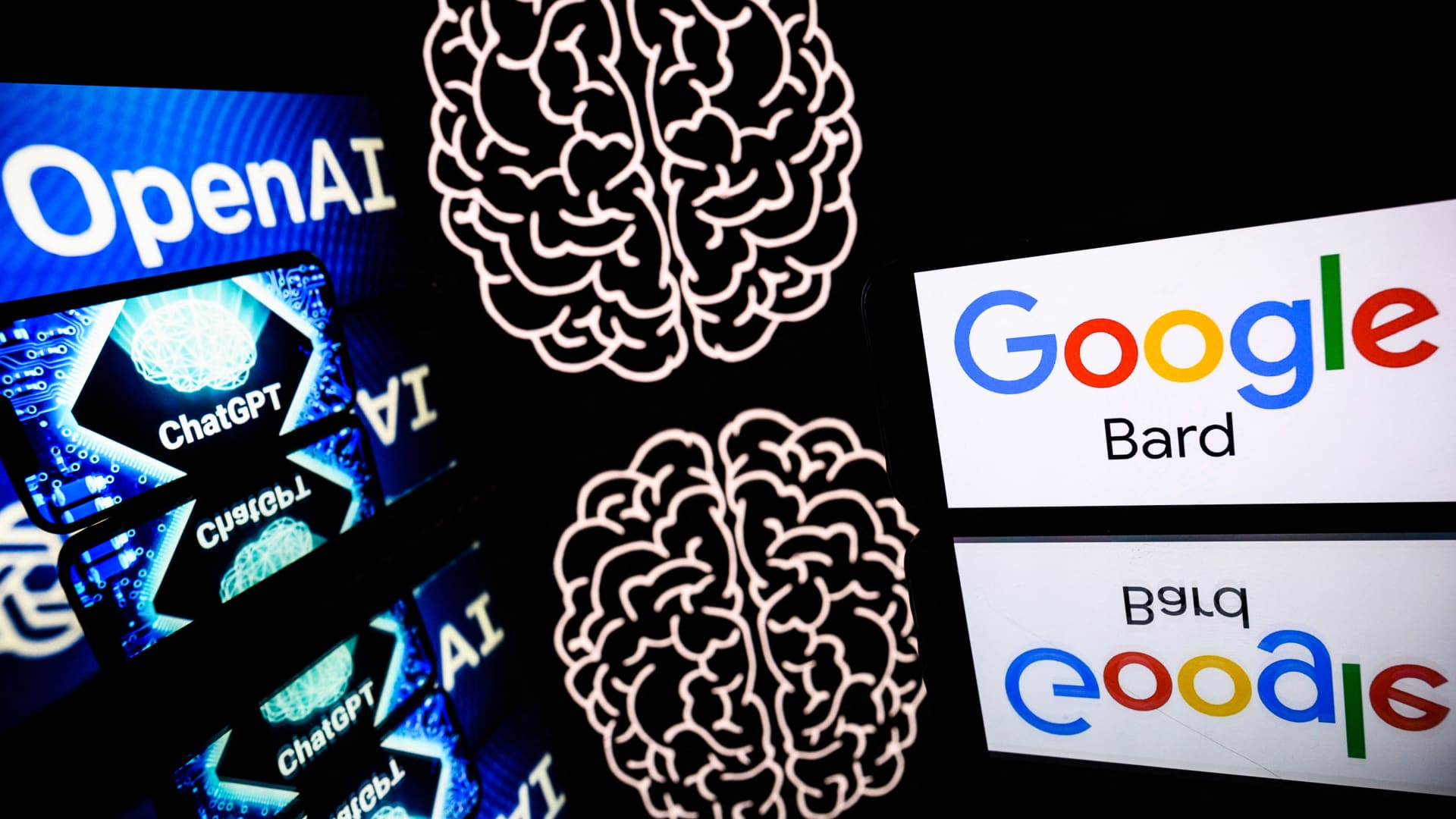
Tech executives are expressing concerns over the concentration of artificial intelligence (AI) development in the hands of a few big tech companies, giving them excessive power and control over the technology. They argue that the current AI landscape is driven by profit and shareholder returns, leading to socially consequential decisions. The executives also highlight the loss of user control over data and the potential for AI to exacerbate the influence of tech giants. However, some believe that open-source models could disrupt the current AI landscape by allowing the development of competing applications without the need for massive resources.