Tag

Textiles

All articles tagged with #textiles

Magnetoelastic tent could power small devices from wind and motion
technology2 hours ago

Magnetoelastic tent could power small devices from wind and motion

Researchers have developed a magnetoelastic tent using smart textile layers that harvest energy from wind, inside movement, and fabric flexing, converting mechanical changes in magnetism into electricity to run small devices. In lab tests, a tiny magnetoelastic textile unit charged a 0.22‑μF capacitor to 5.8 V in 1.5 seconds, demonstrating a proof of concept for powering low‑power electronics like LEDs or sensors. The concept targets off‑grid or disaster settings where power is scarce, but questions remain about real-world energy output, durability, and scalable manufacturing before it could replace traditional power sources.
Self-healing mycelium dress signals a new era for living textiles
technology6 days ago

Self-healing mycelium dress signals a new era for living textiles

Researchers in China have developed a textile from living mycelium as an engineered living material (ELM) that stays biologically active after fabrication, enabling self-cleaning and near self-repair via nutrient-triggered growth. Color and UV resistance can be added with co-cultured fungi and yeast. A prototype dress by Peelshere showcases potential for adaptive textiles and biomaterials, but durability, safety and manufacturing consistency need work before routine clothing or architectural use.

Breathing Easy: Simple Steps to Cut Microplastics at Home
health4 months ago

Breathing Easy: Simple Steps to Cut Microplastics at Home

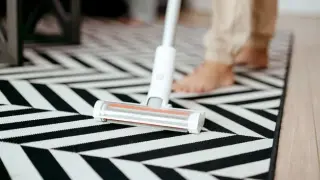
BBC reports that indoor air is filled with microplastics shed from synthetic textiles, and inhalation may be a major exposure route. Adults could inhale about 28,000–108,000 particles daily and babies 19,000–75,000, with indoor air often eight times more concentrated than outdoor air. Sources include clothing, furnishings, carpets, and laundry. Practical reductions include using washing-machine filters and drying outside when possible, opting for natural-fibre clothing, vacuuming with HEPA-filter vacuums and ventilating well, wiping surfaces with damp cloth, and employing multi-stage air filters; air conditioning can disperse particles. While cleaning helps, it won’t eliminate microplastics, and measuring them remains challenging, highlighting the need for broader systemic action to reduce plastic production.

New Clothes, New Irritations: Washing Helps, But Some Chemicals Persist
health5 months ago

New Clothes, New Irritations: Washing Helps, But Some Chemicals Persist

New clothes can irritate skin due to substances like dyes (often azo dyes), fragrances, finishing agents, formaldehyde, and pesticides, especially in areas of friction. A cold rinse can remove much of these irritants, reducing exposure to dyes and fragrances, but some chemicals (e.g., flame retardants and antimicrobial finishes) may linger after multiple washes. For dry-clean-only items, steaming or airing out can help odors, and a barrier layer can be worn underneath; if a rash persists, consult a dermatologist. Most reactions are irritant dermatitis and short-lived, though allergic dermatitis can develop with repeated exposure. Washing may also affect collar stiffness and color vibrancy.

Permethrin-treated baby wraps cut malaria risk in Ugandan trial
global-health6 months ago

Permethrin-treated baby wraps cut malaria risk in Ugandan trial

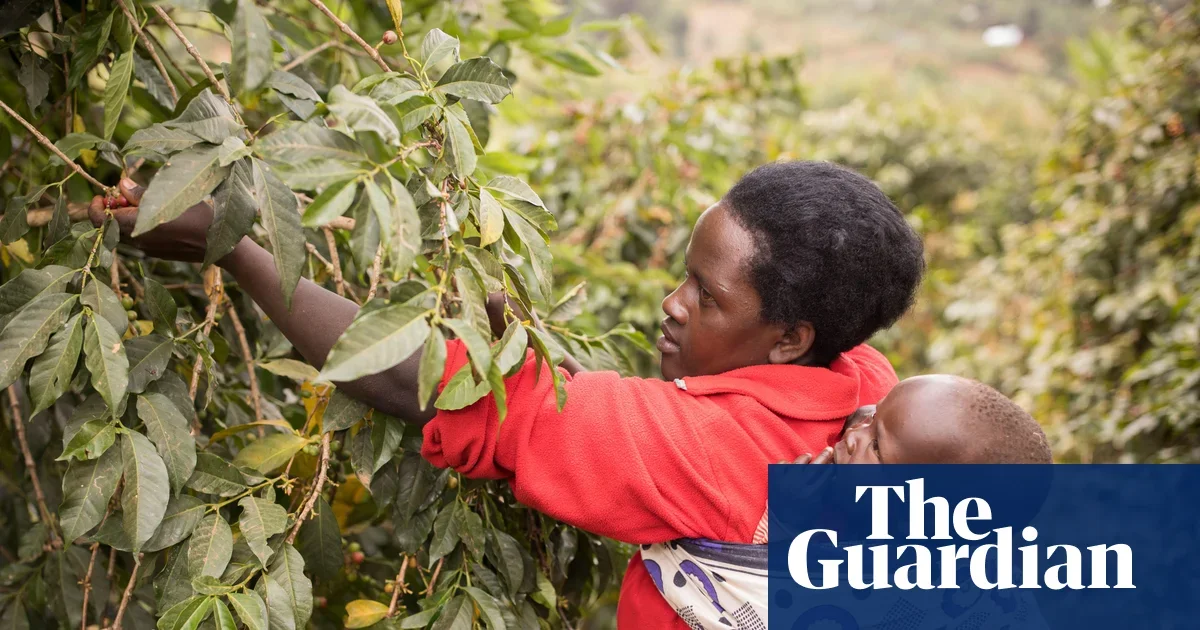
A six-month trial in western Uganda found that babies carried in permethrin-treated wraps had about a two-thirds reduction in malaria cases (0.73 vs 2.14 per 100 babies per week) compared with untreated wraps; safety signals showed a slightly higher rash rate but no withdrawals, and researchers see potential for local production and broader testing before rollout.

Lunar Laundry: Maintaining Fresh Underwear in Space
space-exploration3 years ago

Lunar Laundry: Maintaining Fresh Underwear in Space

The Austrian Space Forum is leading a project called BACTeRMA, which aims to prevent microbial growth in the inner linings of spacesuits for future lunar missions. The project involves testing novel textiles, such as high-strength Twaron material, that can withstand the harsh conditions of the lunar surface. The team has developed biocidal textile processing techniques using bacterial metabolites to avoid microbial growth. These materials have been exposed to radiation, moondust, and simulated human perspiration to test their durability. The findings of the project lay the foundation for future developments in antimicrobial treatments and the integration of smart textile technologies in spacesuits.