As climate change expands tick habitats, Snopes debunks eight tick-related rumors—from lone star ticks causing meat allergies to boxes of ticks in fields—clarifying what’s supported by science and what’s misinformation, with sources on tick-borne diseases.
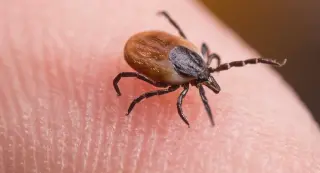
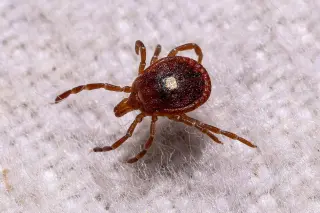
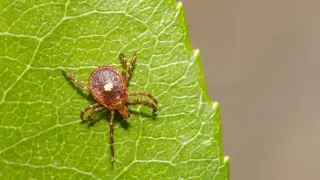
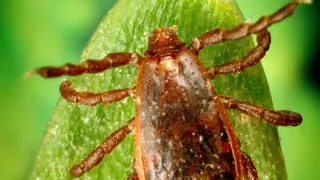
Ohio is seeing a rising tick population across several counties, with the black‑legged deer tick, Lone Star tick, and American dog tick spreading Lyme disease and other illnesses. Belmont County reports the most Lyme disease cases in 2026, followed by Jefferson, Licking, Muskingum, and Tuscarawas counties. Outdoorsers should take precautions—wear long clothing, use DEET, stay on trails, perform full-body tick checks, and remove ticks promptly (within 24 hours) to lower infection risk.
Wisconsin is seeing an early tick surge as unseasonably warm March weather wakes ticks, leading to more tick-bite ER visits; although wood ticks are common, the deer tick is the main public-health threat because it can transmit Lyme disease, and more tiny nymphs are expected in the coming weeks; watch for fatigue, stiff neck, or rash as possible Lyme symptoms; protect yourself by showering after outdoor time, treating clothing with permethrin, wearing light-colored clothing and tucking pants into socks, using lint rollers, and taking steps to protect pets; Wisconsinites can also join The Tick App, a research effort to track tick encounters.
A Marshfield Clinic-led study through the Tick Inventory via Citizen Science found that 51% of 707 non-engorged adult female deer ticks tested in 2024 carried Borrelia burgdorferi, the bacteria that causes Lyme disease, with additional data from 2024–25. Lyme disease is the most common tick-borne illness in the Upper Midwest, and ticks can carry other pathogens; climate shifts are expanding tick ranges, increasing human exposure risk; researchers emphasize mapping pathogen prevalence to guide public health responses.
Tick activity is rising in the Northeast and Midwest as warmer temperatures expand tick habitats, leading to a peak in tick-bite emergency-room visits for this time of year since 2017. Lyme disease remains the most common tick-borne illness, with about 476,000 US cases treated annually, and climate change is aiding the spread. To reduce risk, people outdoors should perform thorough tick checks on skin and clothing, shower after outdoor time, inspect hidden areas, and remove attached ticks promptly, since Lyme transmission typically requires 24–36 hours of attachment (other tick-borne diseases can transmit more quickly).
As weather warms, scientists warn 2026 could be a bad year for Lyme disease and other tick-borne illnesses, with April recording the highest tick-bite emergency-room visits in years across most U.S. regions. Warmer, humid conditions driven by climate change, plus more deer and white-footed mice as hosts, are fueling tick populations. A Lyme vaccine is in development but isn’t a silver bullet and would require multiple doses; in the meantime, prevention remains essential: avoid tick habitats, use permethrin-treated clothing and repellents, check for ticks, shower after outdoor exposure, and inspect pets.
Warmer weather is boosting tick activity and driving a surge in emergency department visits for tick bites, especially in the Northeast and Midwest, according to the CDC. Lyme disease remains common in the U.S., with about 476,000 cases annually, but not all ticks carry the bacteria. Transmission can take as long as 24–36 hours for Lyme, while other tick-borne diseases may transmit more quickly—sometimes in minutes. The piece also notes which tick species spread Lyme and provides practical prevention tips, including checking clothes, showering after outdoor activity, and performing full-body checks for ticks.
Wisconsin health officials warn of a potentially big Lyme year as tick activity rises; ER visits for tick bites in the state stood at 44 per 10,000 in the week ending April 19, and the state posted a record 6,469 Lyme cases in 2024, with warmer, wetter springs speeding tick emergence—experts urge prevention and prompt antibiotics if bitten.
The CDC reports an unusually high number of ER visits for tick bites across the U.S., with the Northeast seeing the strongest rise—the highest rate for this season since 2017. Officials urge precautions like wearing protective clothing, sticking to trail centers, and performing tick checks after outdoor activities to prevent Lyme disease, which can have serious consequences. Connecticut labs also show around 40% of ticks tested are Lyme-positive, highlighting the importance of prevention.
New York City may face its worst tick and mosquito season yet as warming weather expands vector habitats. Early CDC data show 71 tick-bite ER visits per 100,000 (and 163 tick-related visits per 100,000 in the Northeast, up from 52 in March), with ticks now reported in Central Park, Prospect Park, and in about 70% of NYC parks. The Asian tiger mosquito continues to spread, raising risks for diseases like West Nile, chikungunya, and Lyme disease; tick control remains challenging, so prevention focuses on repellents, permethrin-treated gear, standing-water elimination, and thorough tick checks. A Lyme disease vaccine is in trials but has no timeline for rollout.
Lyme disease cases in Michigan nearly quadrupled from 553 in 2022 to 2,167 in 2025 as tick populations explode and spread into more populous areas, pushing the state into the CDC's high-incidence category. Early 2026 data show 246 provisional cases. Experts say milder, shorter winters allow ticks to stay active year-round, expanding the risk. The blacklegged tick is the primary carrier; symptoms include fever, fatigue, and often a distinctive rash. Antibiotics can treat Lyme disease, but early removal of ticks within 24 hours reduces infection risk. Prevention steps include DEET repellents, protective clothing, tick checks, and yard management to limit tick habitat. No Lyme vaccine is approved in the U.S.; an investigational vaccine is in trials. MDHHS offers free tick ID services and advises symptom monitoring within 30 days of a bite.
You can’t completely eliminate ticks, but you can lower your risk of tick-borne illnesses like Lyme by smart yard practices such as reducing brush and leaf litter, mowing and trimming tall grasses near living spaces, creating tick-safe zones, and considering pet safety.
Ohio State University researchers tested two tick species (Gulf Coast tick and Lone Star tick) on five home floor surfaces and found they can survive from about a week up to 25 days indoors, with survival times varying by species and flooring. The findings, published in the Journal of Vector Ecology, suggest ticks can linger after entering homes from tick-prone areas and underscore practical prevention steps (check for ticks on people and pets, wash clothes in hot water and tumble-dry, shower soon after outdoor exposure) to reduce bite risk and disease transmission.
A rise in alpha-gal syndrome, an allergy to red meat caused by tick bites, is leading more people in the US to avoid meat, with cases increasing due to climate change expanding tick habitats. This highlights the broader impact of climate change on food safety and the food system's vulnerability to pathogens and contamination.
Health officials in New Jersey have confirmed that ticks carrying Lyme disease are now present in all 21 counties, spreading into suburban and urban areas due to warming temperatures, which increase tick populations and activity seasons. This expansion raises public health concerns, prompting recommendations for personal protection and environmental management, alongside broader efforts to combat climate change to reduce disease risk.